Many Jeep owners want to improve their vehicle’s performance, especially after adding bigger tires or using the Jeep off-road. One common upgrade is regearing.
But how much does regearing a Jeep cost, and what does the process involve? break down everything you need to know, costs, benefits, and what to watch out for, so you can decide if regearing is worth it for your Jeep.
Why Do People Regear Their Jeep?
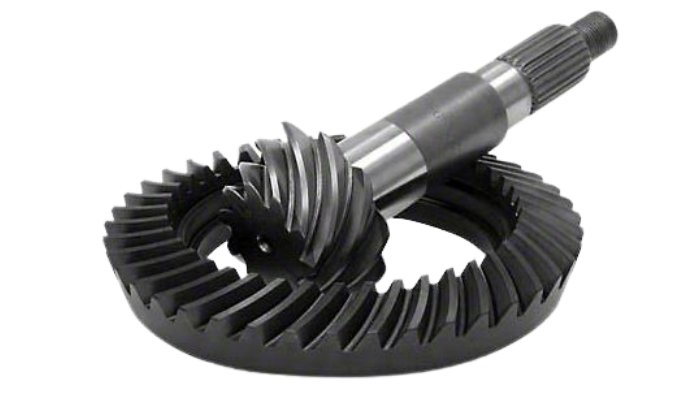
Regearing means replacing the gears in your Jeep’s axles with different gear ratios. Owners usually do this after installing larger tires, lifting the suspension, or when they want more power for towing or off-roading.
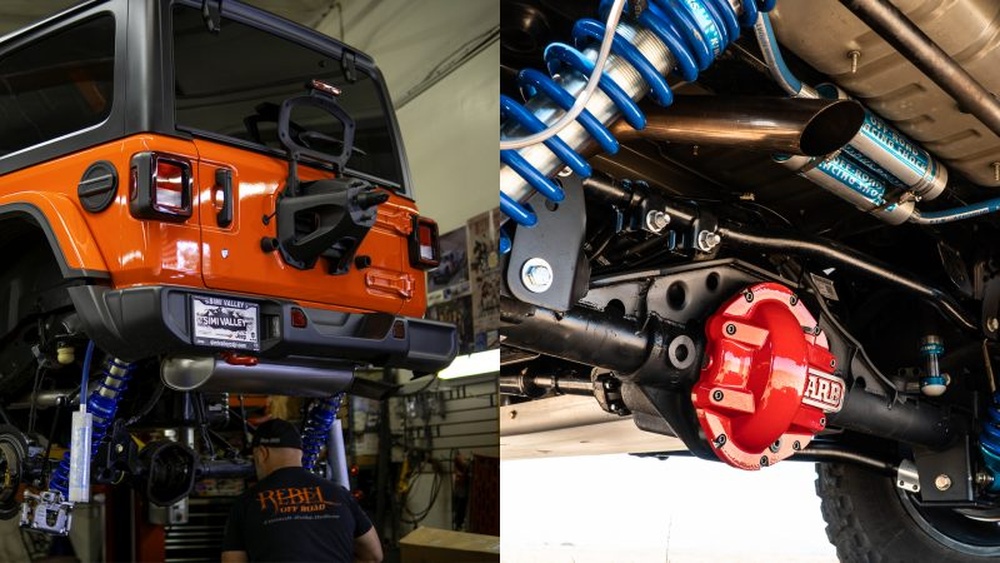
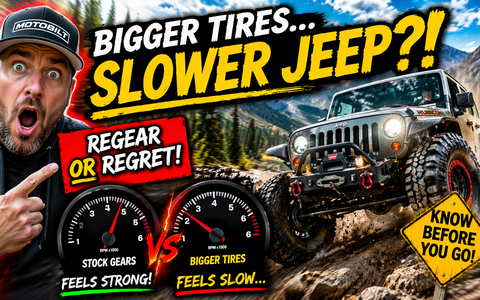
Bigger tires look great and help off-road, but they make the engine work harder. You may notice the Jeep feels slower, uses more gas, and shifts differently.
Regearing returns power lost to larger tires, improves acceleration, and can even help with fuel economy.
What Affects The Cost Of Regearing A Jeep?
The cost to regear a Jeep can vary a lot. Several factors influence the price:
- Jeep model and year (Wrangler, Gladiator, Cherokee, etc.)
- Front and rear axles (you must regear both for 4×4 Jeeps)
- Labor rates in your area
- Parts quality (OEM or aftermarket)
- Additional parts needed (like bearings, seals, fluids)
Typical Price Range For Regearing
Most Jeep owners can expect to pay $1,200, $2,500 to regear both axles. This is a wide range, but it covers the most common situations for popular models like the Wrangler JK, JL, TJ, and Gladiator.
Here’s a closer look at the average costs:
| Jeep Model | Parts (per axle) | Labor (per axle) | Total (both axles) |
|---|---|---|---|
| Wrangler JK/JL | $350, $600 | $400, $700 | $1,500, $2,600 |
| Wrangler TJ | $300, $550 | $350, $600 | $1,300, $2,200 |
| Gladiator | $400, $650 | $500, $800 | $1,800, $2,900 |
Important: These prices can go higher if you upgrade to premium gears or need other parts replaced.
What’s Included In The Regearing Cost?
When you get a quote to regear your Jeep, the price usually includes:
- Gear sets (for front and rear axles)
- Installation kits (bearings, seals, shims)
- Labor (removal, setup, adjustment)
- Gear oil and fluids
Some shops include a break-in service (changing the fluid after a few hundred miles), but some charge extra.
Labor Vs. Parts: Breaking Down The Cost
Regearing is a skilled job. Most of the cost comes from labor, not just the gears themselves.
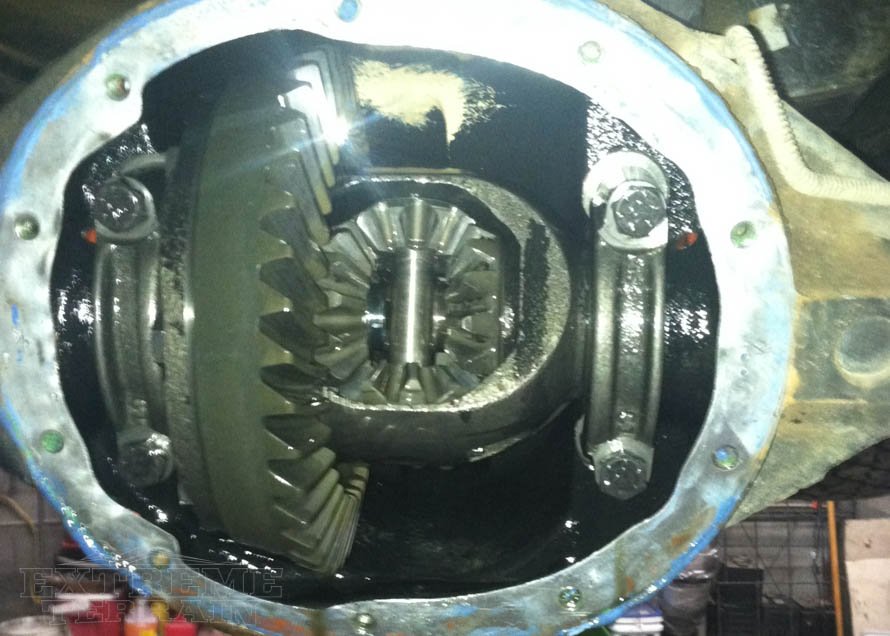
Setting up gears requires special tools and experience mistakes can damage your axles or make your Jeep noisy.
Parts:
- Gear set: $200, $350 per axle
- Install kit: $100, $200 per axle
- Gear oil: $20, $50 per axle
Labor:
- $350, $800 per axle (varies by shop and location)
Tip: Always ask if the quote includes both axles. Some shops give a price for just one, which can be misleading.
Example: Regearing A Jeep Wrangler Jk
Let’s break down a typical example for a 2015 Jeep Wrangler JK with larger 35″ tires:
- Gear sets: $400 (front and rear)
- Install kits: $300
- Gear oil: $60
- Labor: $1,200 (for both axles)
- Total: $1,960
If you need new axle seals or want higher-quality gears, costs can rise by $200 $500.
Do You Have To Regear Both Axles?
For 4×4 Jeeps, yes. Both front and rear axles must have the same gear ratio. If you only regear one axle, the Jeep will not drive correctly and you can damage the drivetrain.
Additional Costs To Watch Out For
While most quotes cover the basics, sometimes extra costs pop up:
- Carrier upgrade: Some gear ratios need a new carrier ($100, $300 each)
- Differential covers: Heavy-duty covers ($50, $200 each)
- Axle seals or bearings: If old ones are worn ($50, $150 per axle)
- ABS sensor or speedometer recalibration: ($50, $150)
Always ask your mechanic if they expect any surprises, especially with older Jeeps.
Factors That Can Increase Or Decrease The Cost
1. Jeep Model And Axle Type
Some Jeeps, like the Wrangler Rubicon, have stronger axles. These may cost more to regear due to complexity or special parts. Newer models sometimes need electronic components reset after regearing.
2. Gear Ratio Chosen
Higher gear ratios (like 4. 88 or 5.
13) may need special carriers or extra parts. Lower ratios (like 3.
73 or 4. 10) often fit existing carriers.
3. Labor Rates By Location
Shops in big cities usually charge more than small-town shops. Always call a few places for quotes.
4. Choosing Aftermarket Vs. Oem Parts
Aftermarket gears can be cheaper, but quality varies. Reputable brands like Yukon, Motive Gear, or G2 are usually reliable. OEM gears cost more but may be quieter and last longer.
Is Regearing A Diy Job?
Regearing requires special tools, patience, and skill. Most DIYers avoid it because mistakes can be expensive.
If you have a lot of mechanical experience, you can save on labor, but you'll still spend $500 $800 on parts.
Common DIY mistakes:
- Incorrect gear pattern setup
- Bearing damage
- Leaks due to poor seals
- Noisy gears due to incorrect preload
For most Jeep owners, paying a shop is safer and can save money in the long run.
How To Save Money When Regearing
- Shop around: Get quotes from several shops. Ask about warranties.
- Buy your own parts: Sometimes you can find deals online.
- Group discounts: Some off-road clubs or Jeep forums organize group buys.
- Ask about experience: Pick a shop that has regeared Jeeps before.
Benefits Of Regearing A Jeep
Regearing is not just about restoring lost power. Here are key benefits:
- Improved acceleration: Feels more responsive, especially with bigger tires.
- Better fuel economy: Engine runs at the right RPM, saves gas on highways.
- Less transmission strain: Prevents hunting for gears, especially on hills.
- Towing power: More torque for pulling trailers or boats.
- Restored speedometer accuracy: After recalibration, your speed is correct again.
Are There Downsides To Regearing?
Regearing does have some drawbacks:
- Cost: It’s a big investment, especially for daily drivers.
- Break-in period: Gears need gentle driving and a fluid change after 500 miles.
- Potential noise: Cheap gears or poor installation can make axles whine.
- No big MPG gains: If you drive mostly city, fuel savings may be small.
When Should You Regear Your Jeep?
Here are signs you might need to regear:
- Installed tires larger than 33″
- Jeep feels sluggish or slow to accelerate
- Transmission shifts more often, especially on hills
- Poor gas mileage after upgrades
- You tow heavy loads frequently
Insight: Many owners wait too long to regear, thinking it’s too expensive. But driving with the wrong gears can stress your engine and transmission, which may lead to bigger repair bills later.
Real-world Owner Experiences
Jeep forums and clubs often discuss regearing. Owners who upgrade to 35" or 37" tires almost always recommend regearing.
Many report their Jeep feels like new, with better power and smoother shifting.
A few mention that, after regearing, some highway noise is normal. But most agree the benefits outweigh any small drawbacks.
Should You Regear Before Or After Larger Tires?
Ideally, install your new tires first, then drive for a while. If you notice problems (sluggishness, poor MPG), get quotes for regearing.
This way, you can choose the right gear ratio for your tire size and driving style.
Common Gear Ratios And Tire Sizes
Choosing the right gear ratio depends on your tire size and driving needs. Here’s a quick guide:
| Tire Size | Best Gear Ratio (Daily Driving) | Best Gear Ratio (Off-Road/Heavy Use) |
|---|---|---|
| 33″ | 4.10 | 4.56 |
| 35″ | 4.56 | 4.88 |
| 37″ | 4.88 | 5.13 |
Tip: If you mostly drive highways, pick a lower ratio. For off-road or towing, choose a higher ratio.
Where To Find Reliable Shops
Ask for recommendations at local off-road clubs, Jeep forums, or online communities. Always read reviews and ask about the shop's experience with your Jeep model.
A good shop will offer a warranty on their work.
For more technical information, the JL Wrangler Forum has a detailed thread on regearing.
<!– wp:rank-math/faq-block {"questions":[{"id":"faq-question-3b759f3962fd","title":"How Long Does It Take To Regear A Jeep?","content":"
Most shops need 1 to 2 days to regear both axles. Some complete the job in one day, but it’s smart to plan for your Jeep to be in the shop overnight.
“,”visible”:true},{“id”:”faq-question-766cd5f1e97a”,”title”:”Will Regearing Affect My Jeep’s Warranty?”,”content”:”If your Jeep is still under factory warranty, check first. Some dealers may void parts of your warranty if you install non-OEM gears. Always ask before making changes.
“,”visible”:true},{“id”:”faq-question-5e80a888e0de”,”title”:”Can I Drive My Jeep Without Regearing After Bigger Tires?”,”content”:”You can, but you may damage your transmission and engine over time. The Jeep will also feel slow and use more fuel. Regearing is recommended for tires over 33″.
“,”visible”:true},{“id”:”faq-question-94f8c7e4d72e”,”title”:”How Do I Know What Gear Ratio I Need?”,”content”:”The right ratio depends on your tire size and how you use your Jeep (daily driving vs. off-road). Use the chart above or ask a reputable shop for advice.
“,”visible”:true},{“id”:”faq-question-5e30a3477e4d”,”title”:”Is Regearing Worth The Cost?”,”content”:”For most Jeep owners with larger tires or those who tow, yes. The improved performance, fuel savings, and transmission health usually make regearing a smart investment.
“,”visible”:true}]} –>How Long Does It Take To Regear A Jeep?
Most shops need 1 to 2 days to regear both axles. Some complete the job in one day, but it’s smart to plan for your Jeep to be in the shop overnight.
Will Regearing Affect My Jeep's Warranty?
If your Jeep is still under factory warranty, check first. Some dealers may void parts of your warranty if you install non-OEM gears. Always ask before making changes.
Can I Drive My Jeep Without Regearing After Bigger Tires?
You can, but you may damage your transmission and engine over time. The Jeep will also feel slow and use more fuel. Regearing is recommended for tires over 33″.
How Do I Know What Gear Ratio I Need?
The right ratio depends on your tire size and how you use your Jeep (daily driving vs. off-road). Use the chart above or ask a reputable shop for advice.
Is Regearing Worth The Cost?
For most Jeep owners with larger tires or those who tow, yes. The improved performance, fuel savings, and transmission health usually make regearing a smart investment.
Meta Title
How Much Does Regearing a Jeep Cost? Complete Guide for 2024
Meta Description
Wondering how much it costs to regear a Jeep? Learn about pricing, key factors, pros and cons, and tips for Jeep owners. Updated for 2024.