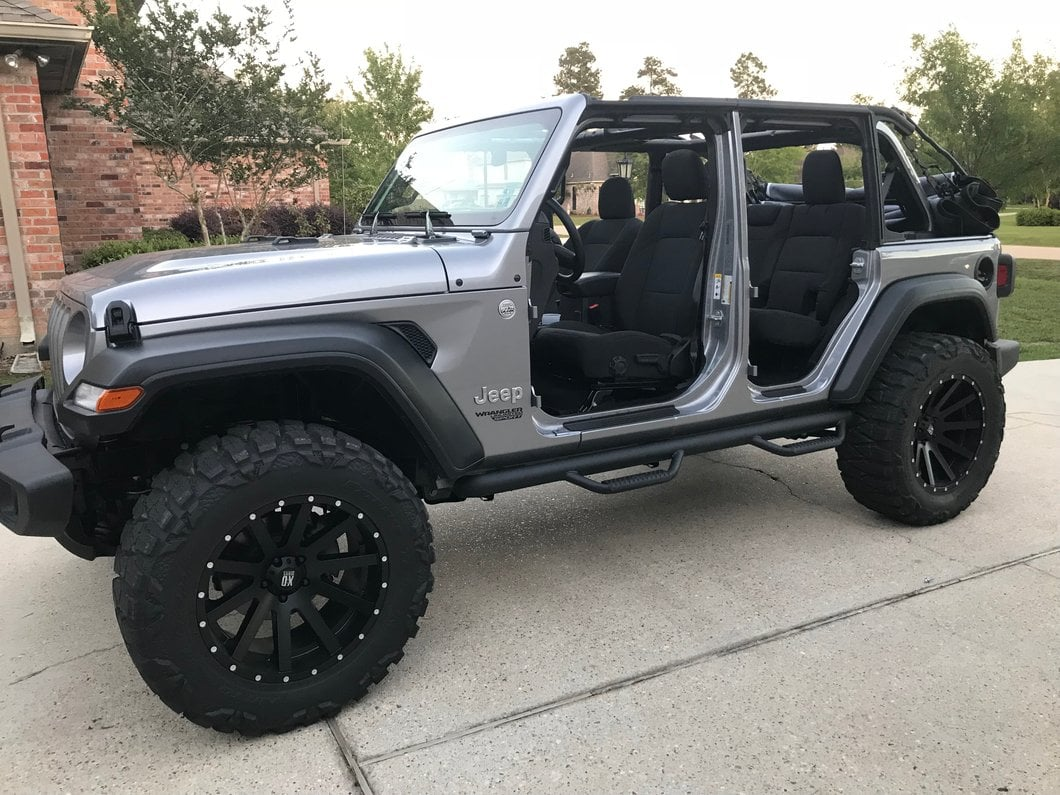
Lifting a Jeep Wrangler is a dream for many off-road fans and adventure seekers. It makes your vehicle look tougher, gives more ground clearance, and lets you use bigger tires.
But one question always comes first: How much does it cost to lift a Jeep Wrangler? The answer is not simple.
It depends on your goals, the type of lift, installation methods, and extra modifications. Let’s break down the real costs so you can plan your budget smartly and avoid common mistakes.

Main Types Of Jeep Wrangler Lift Kits
There are several ways to lift a Jeep Wrangler. Each has a different price range and purpose.
| Lift Type | Lift Height | Average Kit Cost | Main Purpose |
|---|---|---|---|
| Budget Boost (Spacer Lift) | 1–2 inches | $150–$500 | Looks, minor off-road |
| Suspension Lift | 2–6 inches | $800–$4,000+ | Serious off-road, bigger tires |
| Body Lift | 1–3 inches | $300–$1,000 | Looks, tire clearance |
Budget boost kits use spacers to lift the body a little, which is great for looks and a small tire upgrade. Suspension lifts are for those who want to hit tougher trails and need more space for larger tires. Body lifts raise the body off the frame without changing the suspension much.
Cost Breakdown: Kit, Labor, And Extras
Many people only think about the cost of the lift kit itself. However, several other factors affect your final bill.
Cost Of The Lift Kit
- Budget Boost Kits: $150–$500. Good for basic needs and easy to install.
- Body Lift Kits: $300–$1,000. Slightly more than boost kits but still affordable.
- Suspension Lift Kits: $800–$4,000 or more. Price varies with quality and lift height.
High-end suspension kits have better parts like long-arm control arms or adjustable shocks. These can add comfort and improve handling but raise the price.
Installation And Labor
If you’re handy with tools, you might install a small lift kit at home. But most people pay for professional installation.
- Shop Labor: $400–$1,500, depending on lift type and location.
- Time Needed: 3 to 10+ hours.
A simple budget boost may take a few hours. Larger suspension lifts need special tools and more time, so the cost goes up.
Additional Upgrades
Lifting your Jeep often means you need extra parts for safety and performance.
- Wheel Alignment: $80–$150. Essential after any lift.
- Bigger Tires: $600–$2,000 for a set of four.
- Rims/Wheels: $400–$1,200 if your stock wheels don’t fit larger tires.
- Drivetrain Mods: $200–$1,500. May include new driveshafts or gears.
- Brake Lines/Extensions: $50–$200. Needed for higher lifts.
Many beginners forget about these extra expenses. Sometimes, skipping them can cause problems like poor handling or worn-out parts.
Real-world Jeep Wrangler Lift Costs
Let’s look at three common scenarios to give you a full picture.
| Scenario | Total Cost Estimate |
|---|---|
| Basic Budget Boost (1.5-inch, DIY) | $200–$600 |
| 2.5-Inch Suspension Lift (Pro Install, Tires/Wheels) | $2,000–$4,500 |
| 4-Inch Premium Lift (All Upgrades) | $4,500–$8,000+ |
The price can go higher if you want the best brands or add extras like upgraded shocks or re-gearing for better power.
What Affects The Final Price?
Several factors cause big swings in cost. Here’s what to keep in mind:
- Lift Height: Higher lifts usually cost more.
- Kit Quality: Premium brands offer better parts and longer life.
- Jeep Model: Newer Wranglers (like JL) may need special kits.
- DIY vs Pro Install: Doing it yourself saves labor but needs skill.
- Extra Parts: More lift often means more upgrades.
Tip: Set a budget before you start. List all possible costs, not just the kit price.
Common Mistakes When Budgeting For A Jeep Lift
Many Jeep owners run into trouble by underestimating the full cost. Here are some mistakes to avoid:
- Focusing only on the kit price. Installation and extras add up fast.
- Forgetting tire and wheel costs. Bigger lifts often need both.
- Skipping alignment. This leads to uneven tire wear and poor handling.
- Ignoring legal limits. Some states have height rules for vehicles—check before you buy.
One insight many miss: the total cost rarely matches the “kit price” you see online. Plan for at least 30–50% more to cover all parts and labor.
Is Lifting A Jeep Wrangler Worth It?
A lifted Jeep stands out and handles tough trails better. But higher lifts can make the ride stiffer and affect gas mileage.
If you mainly drive on highways, a small lift or even stock height may be better.
If you love off-roading or want that classic Jeep look, the investment is worth it just budget for everything, not only the kit. Consider your needs, driving style, and how much you’re willing to spend.
How To Save Money Without Sacrificing Safety
Here’s how to keep costs down but still get a safe, strong lift:
- Choose a moderate lift height (2–2.5 inches). Good balance of looks, function, and cost.
- Buy a complete kit from a trusted brand. It usually includes all needed parts.
- Install simple kits yourself if you have tools and skill.
- Shop around for tire and wheel deals.
- Check local shops for labor rates—prices vary a lot.
Remember, never skip safety parts to save money. Cheap or missing parts can lead to dangerous failures.
Frequently Asked Questions
What Is The Cheapest Way To Lift A Jeep Wrangler?
The budget boost kit (spacer lift) is the cheapest option. Kits start around $150, and you can install them at home if you have basic tools. This type is best for looks and mild off-roading.
Will Lifting My Jeep Affect My Warranty?
It can. Most dealerships will not cover damage caused by aftermarket lifts.
Always check your warranty terms before installing a lift kit.
Do I Need To Change My Tires And Wheels After A Lift?
Often, yes. Bigger lifts let you fit larger tires, but your stock wheels may not have enough space.
Plan for new tires and maybe new wheels.
Can I Install A Lift Kit Myself?
Some kits are DIY-friendly, especially budget boosts and small body lifts. If you’re doing a suspension lift, it’s safer to hire a pro unless you have experience and the right tools.
How Will A Lift Kit Change My Jeep’s Handling?
A lift kit raises your center of gravity. This means your Jeep may feel less stable in sharp turns.
Alignment and shocks also play a big role don’t skip those upgrades.
For more details on Jeep suspension systems, you can visit the official Jeep Wrangler Wikipedia page.
Lifting your Jeep Wrangler is a big upgrade, but with careful planning, you can avoid surprises and get the look and performance you want without breaking the bank.