How Much Does A 2000 Jeep Cherokee Weigh
If you’re thinking about buying a 2000 Jeep Cherokee or just want to know more about it, weight is something you shouldn’t ignore. The weight affects how the Jeep handles, how much it can carry, its fuel usage, and even the kind of maintenance it needs. Many people think all Jeep Cherokees weigh the same, but there are actually some differences depending on the model and features. Let’s look at what you need to know about the weight of the 2000 Jeep Cherokee and why it matters.
Curb Weight Of The 2000 Jeep Cherokee
The term curb weight refers to the weight of the vehicle with all fluids (oil, coolant, fuel) but without passengers or cargo. For the 2000 Jeep Cherokee, the curb weight depends on the trim, drivetrain, and engine type.
Most 2000 Jeep Cherokees fall in this range:
- 3,111 to 3,357 pounds
The lighter end is usually the two-wheel-drive (2WD) models, while the heavier end is for four-wheel-drive (4WD) versions with extra features. The classic 4-door Sport with an automatic transmission and 4WD is close to the higher end.
Factors That Change The Weight
A few things can make your 2000 Jeep Cherokee weigh a little more or less:
- 2WD vs 4WD: 4WD models have extra components like the transfer case and driveshaft, adding around 100–150 pounds.
- Engine Size: The popular 4.0L inline-6 engine is heavier than the base 2.5L 4-cylinder.
- Trim Level: More features (such as power windows or upgraded speakers) can add a small amount of weight.
- Optional Equipment: Roof racks, tow packages, or aftermarket parts can raise the total weight.
Examples: Weight By Model
Here are some common 2000 Cherokee models and their typical curb weights:
| Model | Drivetrain | Engine | Approx. Curb Weight (lbs) |
|---|---|---|---|
| SE 2-Door | 2WD | 2.5L I4 | 3,111 |
| Sport 4-Door | 4WD | 4.0L I6 | 3,357 |
| Classic 4-Door | 4WD | 4.0L I6 | 3,333 |
| Limited 4-Door | 4WD | 4.0L I6 | 3,348 |
Why Vehicle Weight Matters
Vehicle weight affects many parts of daily driving and ownership. Here are a few examples:
- Fuel Economy: Heavier vehicles usually use more gas.
- Towing and Payload: You need to know the weight to avoid overloading.
- Handling: Lighter Jeeps may handle a bit better, while heavier ones may feel more solid.
- Maintenance: Suspension and brakes wear out faster if the Jeep is often at or above its max weight.
Most beginners miss that the gross vehicle weight rating (GVWR) is not the same as curb weight. GVWR includes the Jeep, passengers, cargo, and any extra equipment.
Gross Vehicle Weight Rating (gvwr)
The GVWR for the 2000 Jeep Cherokee is usually around 4,600 to 5,000 pounds. This is the absolute maximum the Jeep can safely weigh when loaded. If you add heavy gear or tow a trailer, always add up your total weight.
Here’s a quick look at curb weight versus GVWR:
| Model | Curb Weight (lbs) | GVWR (lbs) |
|---|---|---|
| Sport 4-Door 4WD | 3,357 | 5,000 |
| SE 2-Door 2WD | 3,111 | 4,600 |
How To Find Your Cherokee’s Exact Weight
If you want to know the exact weight of your own Jeep, check the sticker on the driver’s door jamb. This label has the curb weight, GVWR, and other important numbers. If the sticker is missing, look in the owner’s manual or search for your VIN (vehicle identification number) online.
Weight And Modifications
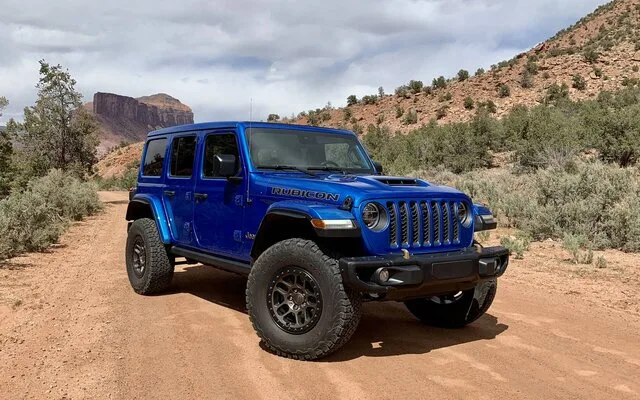
Adding big tires, steel bumpers, or a roof rack can quickly increase your Jeep’s weight. For example, a steel front bumper can add 75 pounds or more.
If you plan to modify your Cherokee for off-roading, keep track of these changes, especially if you want to stay under the GVWR.
Many beginners forget that modifications may also affect the legal load limit for towing or carrying people.
Towing And Payload Capacity
The maximum towing capacity for a 2000 Jeep Cherokee (with the 4.0L engine and proper equipment) is around 5,000 pounds. But remember, this includes passengers, gear, and the trailer.
Payload (the weight you can carry inside the Jeep) is usually 1,150 to 1,300 pounds, depending on the model. Exceeding this can cause poor handling or even mechanical failure.
Comparing To Other Suvs Of The Era
It helps to see how the 2000 Jeep Cherokee stacks up against other SUVs from the same time:
| Vehicle | Curb Weight (lbs) | GVWR (lbs) |
|---|---|---|
| Jeep Cherokee (2000) | 3,111–3,357 | 4,600–5,000 |
| Ford Explorer (2000) | 3,500–4,100 | 5,100–5,800 |
| Toyota 4Runner (2000) | 3,570–3,900 | 5,250–5,250 |
The Cherokee is lighter than many similar-sized SUVs, which helps with off-road agility and city driving.
Tips For Owners And Buyers
- Always check your specific model’s weight before loading up for a trip.
- Remember that every accessory and mod adds weight, sometimes more than you expect.
- Don’t confuse curb weight with GVWR—they mean different things for safety and legal use.
- For more technical details, the official Jeep Cherokee (XJ) page is a good resource.
Frequently Asked Questions
What Is The Average Weight Of A 2000 Jeep Cherokee?
The average curb weight is about 3,200 to 3,350 pounds, depending on the trim and options.
How Much Can A 2000 Jeep Cherokee Safely Carry?
The payload capacity is usually 1,150 to 1,300 pounds. This includes all passengers and cargo.
Does Adding A Roof Rack Change The Weight?
Yes. Most roof racks add 20–50 pounds, plus the weight of any gear you put on top.
Is The 2000 Jeep Cherokee Heavier Than Newer Models?
Generally, yes. Newer Cherokees are larger and have more safety equipment, so they tend to weigh more than the 2000 model.
Where Can I Find My Jeep’s Official Weight?
Check the driver’s door jamb sticker or your owner’s manual. You can also search your VIN online for factory specs.
The 2000 Jeep Cherokee is known for being rugged yet relatively light for its class. Knowing the details about its weight can help you drive safer, avoid overloading, and get the most out of your Jeep.
Always check the numbers for your specific vehicle, especially if you plan to tow or carry heavy loads.