If you have ever wondered, “How much does a Jeep weigh? ” You’re not alone. Weight is important for off-road performance, fuel efficiency, towing, and even safety. Whether you’re buying a Jeep, planning a road trip, or just curious, knowing the weight helps you make better decisions.
In this guide, you’ll learn about Jeep weights by model, what affects them, how weight compares to other vehicles, and practical tips for choosing the right Jeep.
Average Jeep Weight By Model
Jeep offers several models, from compact crossovers to heavy-duty SUVs. Each model has its own weight range, depending on features and options.
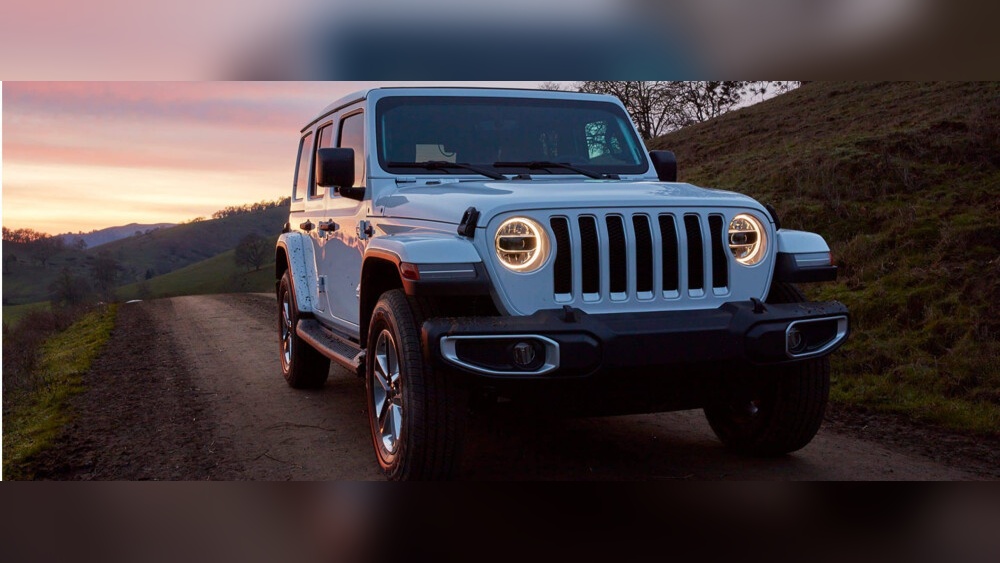
| Jeep Model | Curb Weight (lbs) | Seats |
|---|---|---|
| Jeep Wrangler | 3,970 – 4,449 | 4–5 |
| Jeep Grand Cherokee | 4,238 – 5,086 | 5–7 |
| Jeep Compass | 3,184 – 3,327 | 5 |
| Jeep Cherokee | 3,590 – 4,250 | 5 |
| Jeep Gladiator | 4,650 – 5,072 | 5 |
| Jeep Renegade | 3,210 – 3,532 | 5 |
These weights are for standard models without extra accessories. As you add features, the weight can change.
What Affects Jeep Weight?
A Jeep’s weight is not fixed. Several factors can make a big difference:
- Trim Level: Higher trims usually have more features and heavier materials.
- Engine Type: Bigger engines add weight. Diesel engines often weigh more than gas engines.
- 4WD vs. 2WD: Four-wheel-drive systems are heavier because they have extra parts.
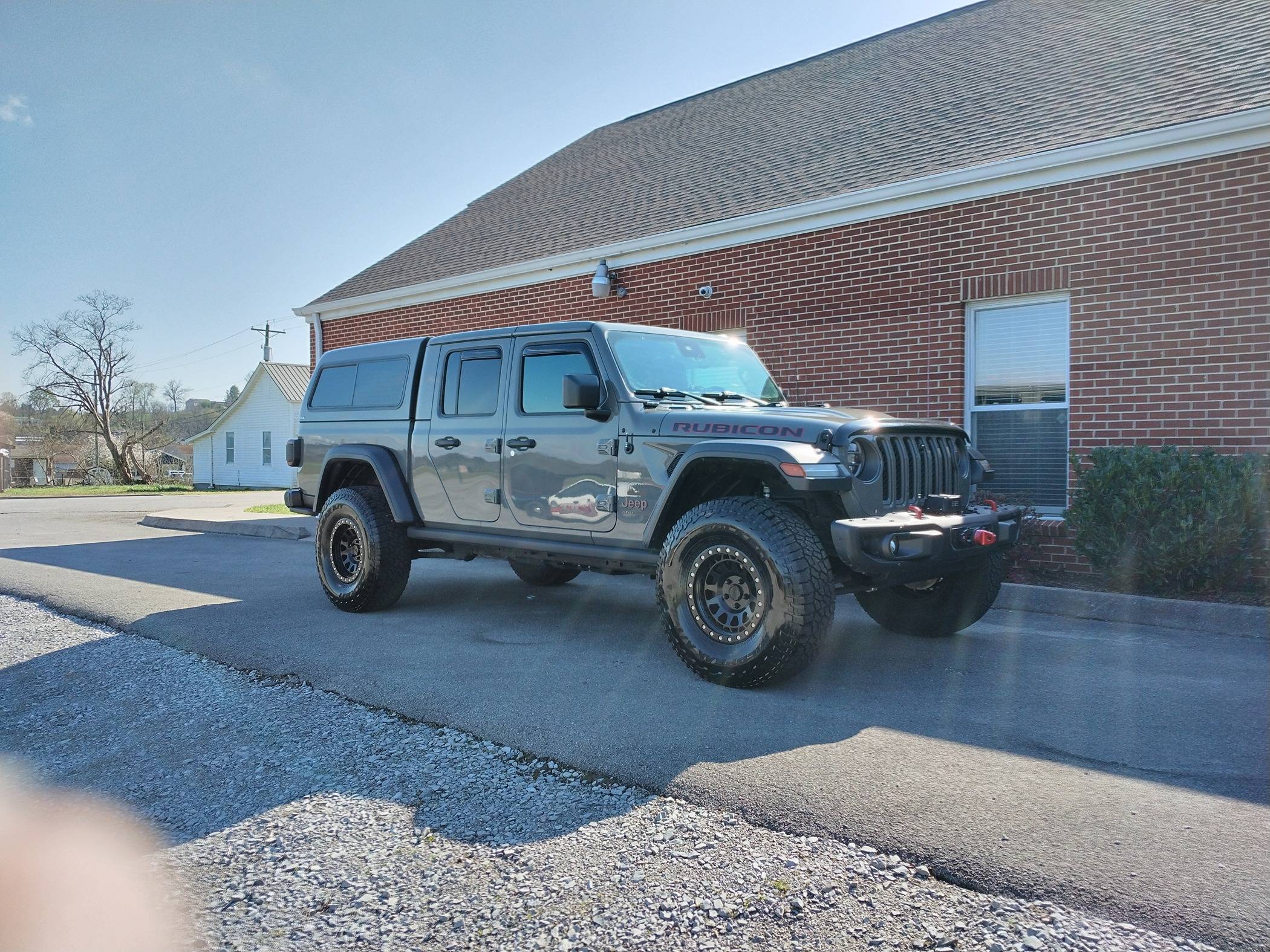
- Accessories: Roof racks, winches, bumpers, and larger wheels all add pounds.
- Body Style: Two-door Jeeps are lighter than four-door versions.
One non-obvious insight: Many buyers overlook the weight of aftermarket parts. Even simple upgrades, like steel bumpers or bigger tires, can add 100–200 pounds quickly.
Jeep Weight Vs. Other Suvs
How does Jeep compare to other brands? Here’s a quick look:
| Vehicle | Typical Weight (lbs) | Type |
|---|---|---|
| Jeep Grand Cherokee | 4,238 – 5,086 | Midsize SUV |
| Toyota 4Runner | 4,400 – 4,800 | Midsize SUV |
| Ford Explorer | 4,300 – 4,700 | Midsize SUV |
| Honda CR-V | 3,337 – 3,649 | Compact SUV |
| Jeep Wrangler | 3,970 – 4,449 | Off-road SUV |
Jeep vehicles are often heavier than compact SUVs but similar to other midsize or off-road models. This extra weight gives better off-road capability and towing power but can reduce fuel efficiency.
Why Jeep Weight Matters
Understanding weight is more than a number; it affects how your Jeep performs.
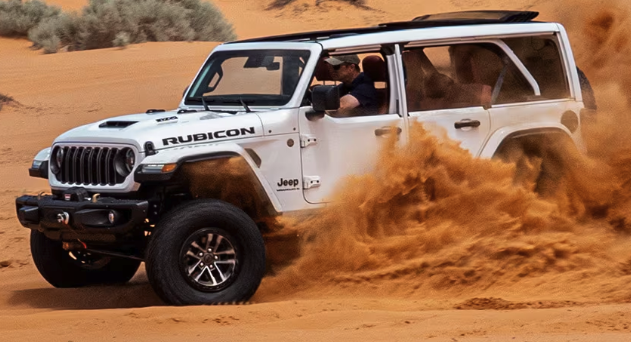
- Off-Road Handling: Heavier Jeeps grip better in mud and snow but can struggle in deep sand.
- Fuel Efficiency: Lighter models use less gas. For example, the Jeep Renegade is more efficient than the Grand Cherokee.
- Towing Capacity: More weight often means better towing, but you must check the manufacturer’s limits.
- Safety: Heavier vehicles usually handle crashes better, but take longer to stop.
One overlooked detail: If you plan to carry gear or passengers, always check the payload capacity. Exceeding the recommended weight can damage your Jeep and reduce safety.

Real-world Examples
Consider these situations:
- A Jeep Wrangler Unlimited with steel bumpers, winch, and roof rack can weigh over 4,800 lbs—almost 400 lbs more than stock.
- A Jeep Gladiator with a full bed load and passengers may approach its maximum weight rating, affecting braking and handling.
Knowing your Jeep’s weight helps you avoid common mistakes, like overloading or ignoring tire limits.
How To Find Your Jeep’s Weight
If you want the exact weight for your Jeep:
- Check the Owner’s Manual: It lists curb weight and maximum load.
- Look at the Door Sticker: Most Jeeps have a sticker inside the driver’s door with weight info.
- Visit the Manufacturer’s Website: Jeep’s official site has detailed specs for each model.
- Weigh Your Vehicle: For custom Jeeps, visit a truck scale for an accurate measure.
For more details, see the Jeep Official Site.
Jeep Weight: Comparison By Year
Weight can change with each model year. Here’s a quick comparison:
| Model Year | Wrangler (lbs) | Grand Cherokee (lbs) |
|---|---|---|
| 2020 | 3,970 – 4,449 | 4,238 – 5,086 |
| 2022 | 4,044 – 4,449 | 4,357 – 5,086 |
| 2024 | 4,044 – 4,449 | 4,357 – 5,086 |
This shows that weight stays mostly stable, but new tech or features can add a little.
Tips For Choosing The Right Jeep Weight
If you’re choosing a Jeep, consider these points:
- Purpose: For city driving, lighter models like the Renegade or Compass are ideal. For off-roading or towing, heavier models like the Wrangler or Gladiator are better.
- Fuel Costs: Heavier Jeeps use more gas. If you drive long distances, consider a lighter model.
- Customization: Plan for extra weight if you add accessories.
- Legal Limits: Check state laws for weight limits, especially if you tow or carry heavy loads.
Many buyers forget to factor in the weight of passengers and cargo. Always include these in your calculations.
Frequently Asked Questions
How Much Does A Jeep Wrangler Weigh?
A standard Jeep Wrangler weighs about 3,970 to 4,449 lbs, depending on the model and features. Custom accessories can add more weight.
Does Jeep Weight Affect Fuel Economy?
Yes. Heavier Jeeps use more fuel. For example, the Jeep Grand Cherokee uses more gas than the lighter Compass or Renegade.
What Is Curb Weight Vs. Gross Vehicle Weight?
Curb weight is the weight of the Jeep with no passengers or cargo. Gross vehicle weight includes passengers, cargo, and fluids.
Is A Heavier Jeep Better For Off-roading?
In most cases, yes. A heavier Jeep can handle rough terrain better, but it may get stuck in deep sand or mud more easily.
Where Can I Find My Jeep’s Exact Weight?
You can find the weight in the owner’s manual, on the door sticker, or on the manufacturer’s website. For custom Jeeps, use a truck scale.
Jeep weight is more than a technical detail—it shapes how you drive, travel, and customize your vehicle. Whether you’re planning adventures or daily commutes, knowing your Jeep’s weight will help you get the most from your ride.