The Jeep Wagoneer has made a strong comeback in the world of SUVs, attracting attention for its classic styling and robust features. However, one detail many buyers and enthusiasts want to know is: how much does a Jeep Wagoneer weigh? Vehicle weight can affect everything from fuel economy to towing capacity, so understanding this specification is more than just trivia. Let’s explore the weight of different Jeep Wagoneer models, factors that influence it, and what this means for real-world driving.
Jeep Wagoneer Weight By Model Year And Trim
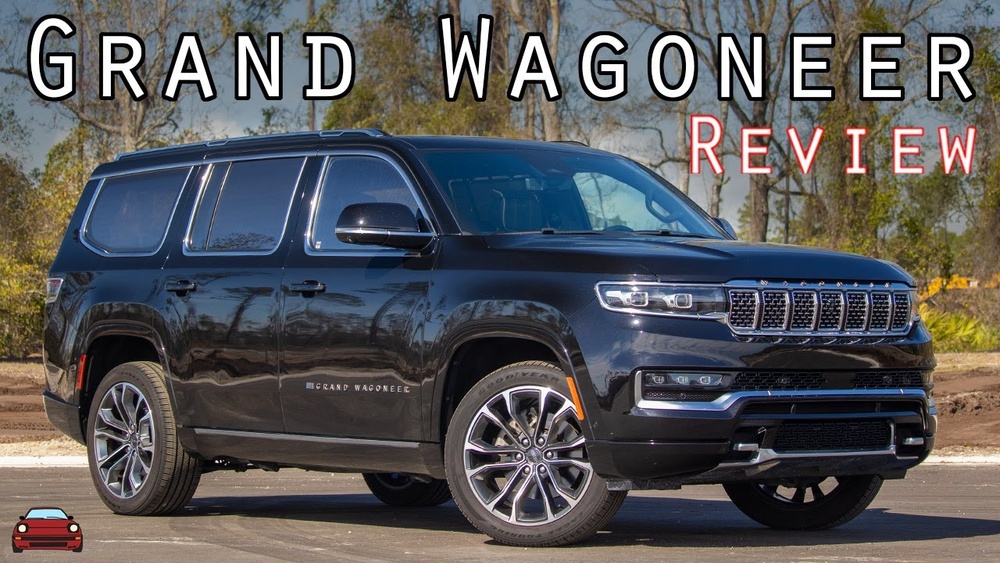
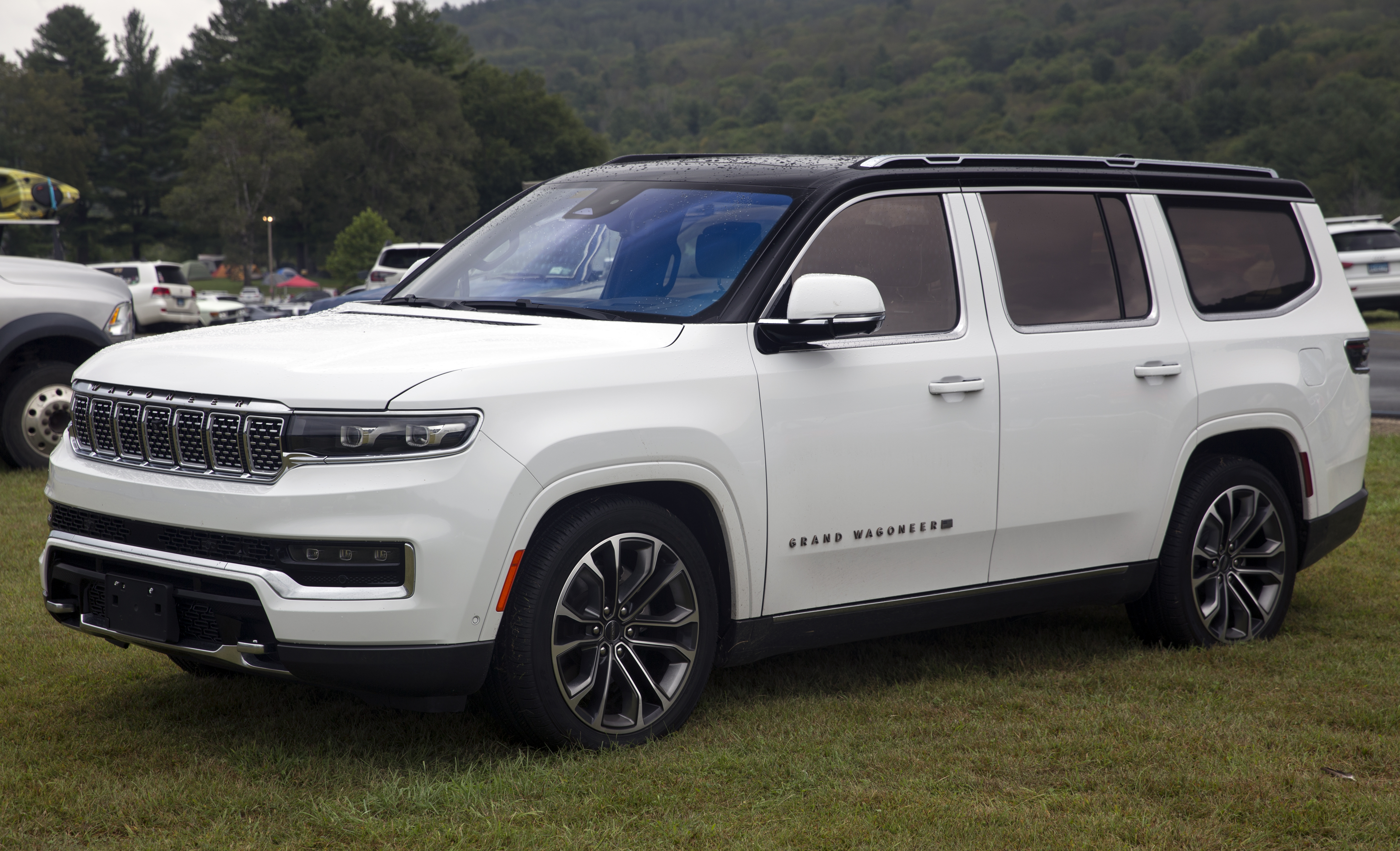
The Jeep Wagoneer lineup includes several trims and two main models: the standard Wagoneer and the Grand Wagoneer. Each has a slightly different weight due to features, engine size, and options.
Here’s a clear look at the curb weight for popular 2023 Wagoneer models:
| Model | Drivetrain | Curb Weight (lbs) |
|---|---|---|
| Wagoneer Series I | 2WD | 5,960 |
| Wagoneer Series II | 4WD | 6,110 |
| Grand Wagoneer Series I | 4WD | 6,420 |
| Grand Wagoneer Series III | 4WD | 6,540 |
These weights are for the 2023 models. The numbers may change slightly for 2024 and future releases, but they typically stay within this range.
What Does Curb Weight Mean?
Curb weight is the total weight of the vehicle with all fluids (oil, coolant, full gas tank) and standard equipment, but without passengers or cargo. This is the most common way manufacturers list a car’s weight because it reflects how heavy the vehicle is when ready to drive.
Some people confuse curb weight with gross vehicle weight rating (GVWR), which includes the vehicle, passengers, and cargo. For the Wagoneer, GVWR is usually around 7,400–7,700 lbs, depending on the trim.
How Trim Level And Features Affect Weight
Not all Wagoneers weigh the same. Here are some key factors that change the weight:
- Drivetrain: Four-wheel drive (4WD) versions are usually heavier than two-wheel drive (2WD) because of extra hardware.
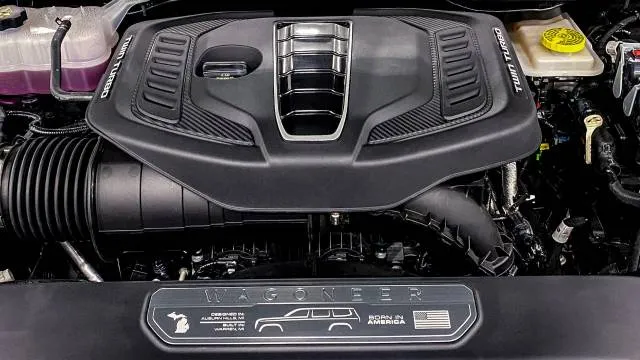
- Engines: The standard Wagoneer often comes with a V8, while the Grand Wagoneer may have a more powerful engine or mild-hybrid system. More power usually means more weight.
- Luxury Features: Higher trims like the Grand Wagoneer add more tech, bigger wheels, premium sound systems, and extra seating—all of which add pounds.
To see how features impact weight, compare these two trims:
| Feature | Wagoneer Series I | Grand Wagoneer Series III |
|---|---|---|
| Drivetrain | 2WD | 4WD |
| Seating | 8 passengers | 7 passengers |
| Premium Audio | Standard | Reference System |
| Curb Weight (lbs) | 5,960 | 6,540 |
As you can see, the Grand Wagoneer Series III is heavier because of extra features and a more advanced drivetrain.
Why Does Weight Matter For A Jeep Wagoneer?
The weight of a Jeep Wagoneer affects several important aspects:
- Fuel Economy: Heavier vehicles often use more gas. The Wagoneer’s weight means it’s not the most fuel-efficient SUV, but it balances this with strong towing power and a comfortable ride.
- Handling: More weight can make a vehicle feel stable at high speeds, but it may also affect agility, especially on twisty roads.
- Towing Capacity: A heavier SUV can sometimes tow more, but it’s essential to check the manufacturer’s towing specs.
- Braking Distance: Stopping a heavy SUV requires powerful brakes. The Wagoneer’s braking system is built to handle its mass, but drivers should always allow extra space, especially when loaded.
How The Wagoneer Compares To Other Large Suvs
Is the Wagoneer heavier than its rivals? Here’s a comparison with similar 2023 SUVs:
| Model | Curb Weight (lbs) |
|---|---|
| Jeep Wagoneer | 5,960–6,110 |
| Ford Expedition | 5,443–5,673 |
| Chevrolet Tahoe | 5,473–5,845 |
| GMC Yukon | 5,490–5,845 |
| Toyota Sequoia | 5,620–5,985 |
The Wagoneer is on the heavier side, especially compared to the Ford Expedition and Chevrolet Tahoe. This extra weight comes from its size and added luxury features.
Two Insights Most People Miss
- Optional Packages Add Weight: Adding options like panoramic sunroofs, towing packages, or larger wheels can add 100–300 lbs. This often goes unnoticed but can impact performance and gas mileage.
- Weight Affects Registration and Insurance: In some states, heavier vehicles may have higher registration fees or special insurance considerations. Checking local rules before buying can save you surprises later.
Practical Tips For Wagoneer Owners
- Check Payload Limits: Don’t load the Wagoneer beyond its listed payload, which is the maximum weight of passengers and cargo. Overloading can hurt performance and safety.
- Tire Pressure Matters: Heavy vehicles need the correct tire pressure for safe handling and braking. Check the door sticker and adjust if you add a heavy load.
- Plan for Parking: The Wagoneer’s size and weight mean it needs more space in parking lots and garages. Practice maneuvering in wide open areas if you’re new to big SUVs.
Frequently Asked Questions
How Much Does A 2023 Jeep Wagoneer Weigh?
A 2023 Jeep Wagoneer weighs between 5,960 and 6,110 pounds depending on trim and drivetrain.
Is The Grand Wagoneer Heavier Than The Standard Wagoneer?
Yes, the Grand Wagoneer is heavier, usually weighing 6,420 to 6,540 pounds due to more luxury features and a stronger drivetrain.
Does Vehicle Weight Affect Towing Capacity?
Yes, a heavier Wagoneer often means it can tow more, but always check the towing rating from Jeep, as other factors like engine and package also matter.
How Does The Wagoneer’s Weight Compare To The Chevrolet Tahoe?
The Wagoneer is slightly heavier than the Chevrolet Tahoe. The Tahoe’s curb weight ranges from 5,473 to 5,845 pounds, while the Wagoneer starts near 5,960 pounds.
Where Can I Find Official Jeep Wagoneer Weight Specifications?
For the most accurate and updated numbers, visit the official Jeep Wagoneer site.
The Jeep Wagoneer’s weight is a sign of its strength, luxury, and capability. While heavy, it’s designed for comfort, safety, and towing.
Knowing the details helps you choose the right trim and options for your needs, so you get the best from your SUV experience.