If you own a Jeep TJ or are thinking about buying one, you’ve probably wondered about the weight of its hardtop. This is a key detail for anyone planning to remove, store, or transport the top, or for those considering upgrading to an aftermarket option. Understanding the hardtop’s weight can help you plan for lifting, moving, or even shipping it. Let’s explore everything you need to know about how much a Jeep TJ hardtop weighs, and why it matters for daily use.
Why Jeep Tj Hardtop Weight Matters
The weight of your hardtop affects more than just your muscles. It impacts how easy it is to remove, how you store it, and even your Jeep’s performance. A heavy top can require more than one person to lift, and improper handling can cause damage. If you want to swap between hardtop and soft top seasonally, knowing the exact weight helps you prepare.
Many people don’t realize that transporting a hardtop in a pickup truck or trailer needs good planning. A sudden tip or drop can easily crack or damage the fiberglass shell.
Knowing the weight also helps you check if your garage storage system is strong enough.
Standard Jeep Tj Hardtop Weight
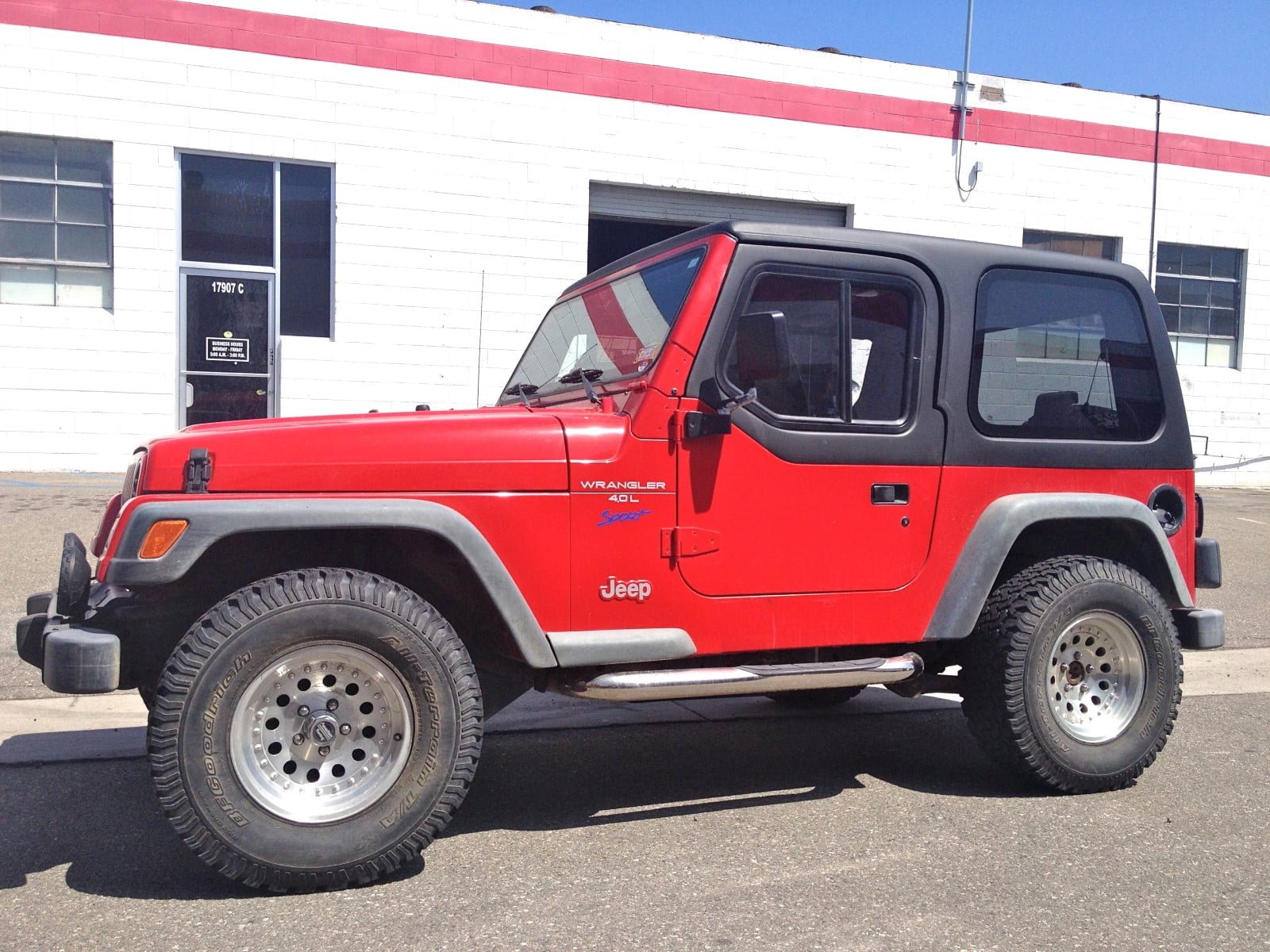
The Jeep TJ was produced from 1997 to 2006. Its hardtop is made from fiberglass, which is light compared to steel but heavier than a soft top. The weight varies depending on the model year and factory options.
Most factory Jeep TJ hardtops weigh between 120 and 150 pounds. The most common figure quoted is around 140 pounds for a standard hardtop. Below is a comparison of different model years and their average hardtop weights:
| Model Year | Hardtop Weight (lbs) | Notes |
|---|---|---|
| 1997–2002 | 120–135 | Basic, no rear wiper/defrost |
| 2003–2006 | 135–150 | Often includes rear wiper, defroster |
You may find minor differences due to added features like the rear wiper or defroster, which can add a few pounds. Most owners find the 140-pound figure accurate for planning purposes.
How The Weight Affects Removal And Storage
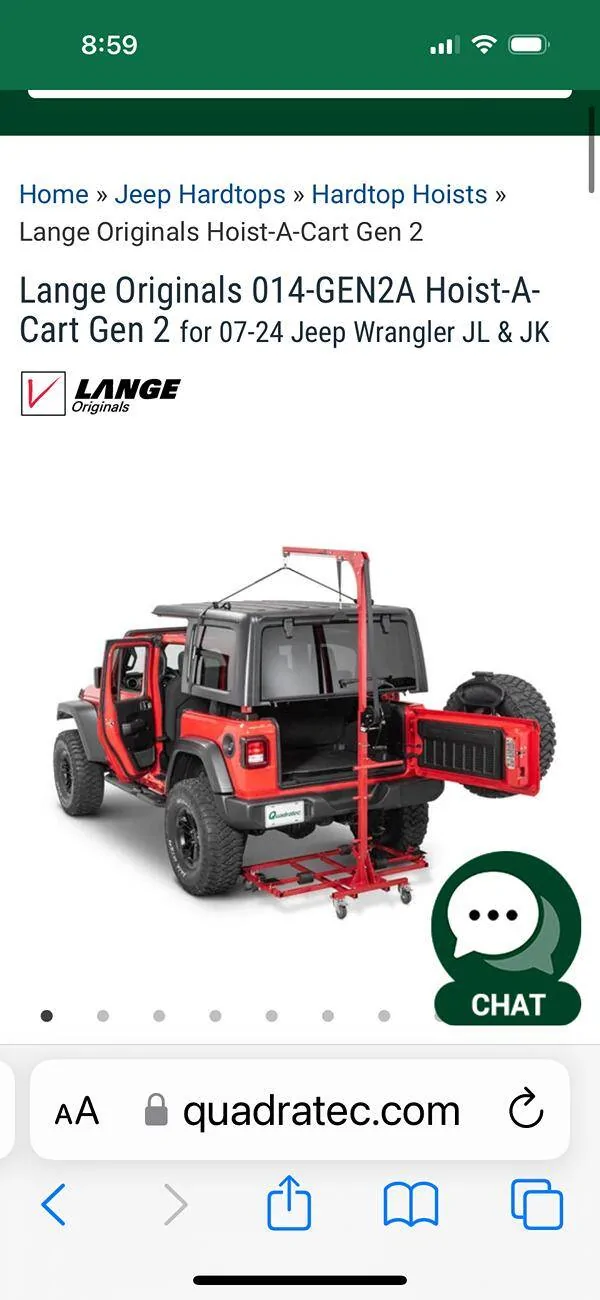
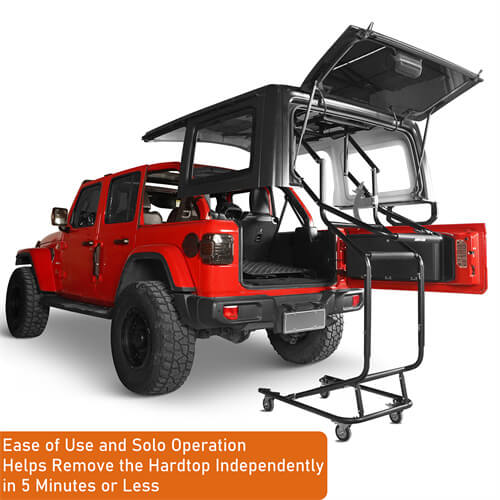
Lifting a Jeep TJ hardtop is not a one-person job for most people. Even if you’re strong, its size and awkward shape make it tricky. Many people use two adults to safely remove the top. Some use a garage hoist or pulley system for easier lifting.
Storage is another factor. You want to keep the hardtop off the ground to prevent scratches or cracks. Here’s a quick look at options and their load capacity:
| Storage Method | Weight Capacity (lbs) | Best For |
|---|---|---|
| Ceiling Hoist | Up to 200 | Garage storage, single person |
| Rolling Cart | 150–300 | Moving around garage |
| Wall Mount | 150 | Saves floor space |
Many beginners overlook the need for safe, padded storage. Setting the top directly on concrete can cause chips or cracks.
Use foam or a thick blanket under the edges.
Factory Vs. Aftermarket Hardtop Weights
Not all Jeep TJ hardtops are created equal. Factory models are usually heavier than some aftermarket options, especially those made with lighter materials or designed for easy removal.
Aftermarket hardtops can weigh as little as 90 pounds or as much as 160 pounds for double-walled, insulated models. Lighter tops are easier to handle but may offer less sound insulation or strength.
Here’s a quick comparison:
| Type | Average Weight (lbs) | Features |
|---|---|---|
| Factory Hardtop | 135–150 | Strong, good insulation |
| Aftermarket Lightweight | 90–110 | Easier to remove, less insulation |
| Aftermarket Insulated | 140–160 | Extra soundproofing, heavy duty |
If you’re considering an upgrade, always check the manufacturer’s specifications. Some lightweight tops sacrifice strength for easier handling.
https://www.youtube.com/watch?v=VgeFFylEaew
Practical Tips For Handling Your Jeep Tj Hardtop
- Plan for help: Even if you’re strong, the size makes it awkward. Two people are safer than one.
- Use the right tools: Ceiling hoists or rolling carts are worth the investment.
- Protect the surface: Always set your hardtop on soft material.
- Check for features: Rear wipers and defrosters add weight and wiring, so disconnect carefully.
- Inspect for cracks: Fiberglass can hide small cracks—check before and after moving.
A tip many new owners miss: If you plan to remove the hardtop often, consider quick-release fasteners. They save time and reduce the risk of stripping bolts.
Jeep Tj Hardtop And Vehicle Performance
While a Jeep TJ hardtop isn’t extremely heavy, removing it does change your Jeep’s weight balance. You might notice a small improvement in acceleration or fuel economy without it, but the difference is usually less than 1–2%. The real benefit is the open-air experience, not big performance gains.
Remember, removing the top changes your Jeep’s security and weather protection. If you remove it, store the top safely to prevent expensive damage.
Frequently Asked Questions
How Much Does A Jeep Tj Hardtop Weigh?
A standard Jeep TJ hardtop weighs between 120 and 150 pounds, with most falling close to 140 pounds. Aftermarket versions may be lighter or heavier depending on materials and features.
Can One Person Remove A Jeep Tj Hardtop?
It’s possible but not recommended. The top is bulky and awkward.
Most people need at least two adults or a garage hoist system to remove it safely.
Are Aftermarket Hardtops Lighter Than Factory Ones?
Some are. Lightweight aftermarket tops can weigh as little as 90 pounds, but heavy-duty or insulated versions might weigh more than the factory top. Always check the specific product details.
Does The Hardtop Weight Affect Gas Mileage?
The effect is very small. You might see a 1 2% improvement in fuel economy after removing the hardtop, but most drivers notice the change in driving feel more than in gas costs.
Where Can I Find Official Jeep Tj Hardtop Weight Details?
For the most accurate and up-to-date information, check the Jeep owner’s manual or visit an official resource like the Jeep Wrangler Wikipedia page.
A Jeep TJ hardtop is a practical and tough choice for many drivers, but knowing the real weight helps you plan every step from removal to storage.
With the right tools and tips, you can enjoy the flexibility and freedom of your Jeep in every season.


















