If you own or plan to buy a Jeep, you might wonder: how much does a Jeep hardtop weigh? This is not just trivia—knowing the weight of your Jeep’s hardtop is useful for removal, storage, and even fuel economy. Whether you want to take your top off for summer or transport it safely, understanding these numbers helps you avoid mistakes and plan ahead. Let’s explore the average weights, what makes them heavier or lighter, and practical tips for handling your Jeep hardtop.
Why Does Hardtop Weight Matter?
Jeep hardtops are more than just a style choice. The weight affects:
- How easy it is to remove and install
- What tools or helpers you need
- Storage options
- How much weight you’re carrying (important for towing, off-roading, or gas mileage)
A heavier hardtop can require two people or a hoist system, while a lighter one might be manageable solo.

Average Jeep Hardtop Weights
The weight of a Jeep hardtop depends on the model and whether you have a 2-door or 4-door version. Here are typical ranges:
| Jeep Model | 2-Door Hardtop Weight | 4-Door Hardtop Weight |
|---|---|---|
| Wrangler JK (2007–2018) | ~95 lbs | ~140 lbs |
| Wrangler JL (2018–present) | ~100 lbs | ~140 lbs |
| Wrangler TJ (1997–2006) | ~120 lbs | N/A |
| Gladiator JT | N/A | ~150 lbs |
The most common Jeep hardtop—the 4-door Wrangler Unlimited—usually weighs about 140 pounds. For 2-door Jeeps, expect around 100 pounds. The Gladiator’s hardtop is a bit heavier due to its size.
Factors That Affect Hardtop Weight
Not all hardtops are created equal. Several factors can change the weight:
- Material: Most factory hardtops are made from fiberglass, which balances durability and weight. Aftermarket tops can use aluminum or even steel, making them heavier or lighter.
- Number of Pieces: Modern Jeeps use a “freedom top” with removable front panels. The front panels weigh less (about 15 lbs each), while the rear section is heavier.
- Features: Hardtops with extra features like insulation, sound dampening, or sunroofs are often heavier.
- Aftermarket Modifications: Adding racks, lights, or storage can increase the weight by 5–20 lbs or more.
Here’s a comparison of factory vs aftermarket weights:
| Type | Average Weight | Notes |
|---|---|---|
| Factory Fiberglass | 100–150 lbs | Most common |
| Aftermarket Aluminum | 80–120 lbs | Lighter, but pricier |
| Aftermarket Steel | 150–200 lbs | Very durable, very heavy |
Removing And Handling Your Jeep Hardtop
A common mistake is underestimating how awkward a hardtop can be to move, even if you know the weight. Jeep hardtops are not just heavy—they’re large and hard to grip. Here’s what you need to know:
- Two People Are Best: For 4-door models, always have help. Even strong adults can struggle alone, risking damage or injury.
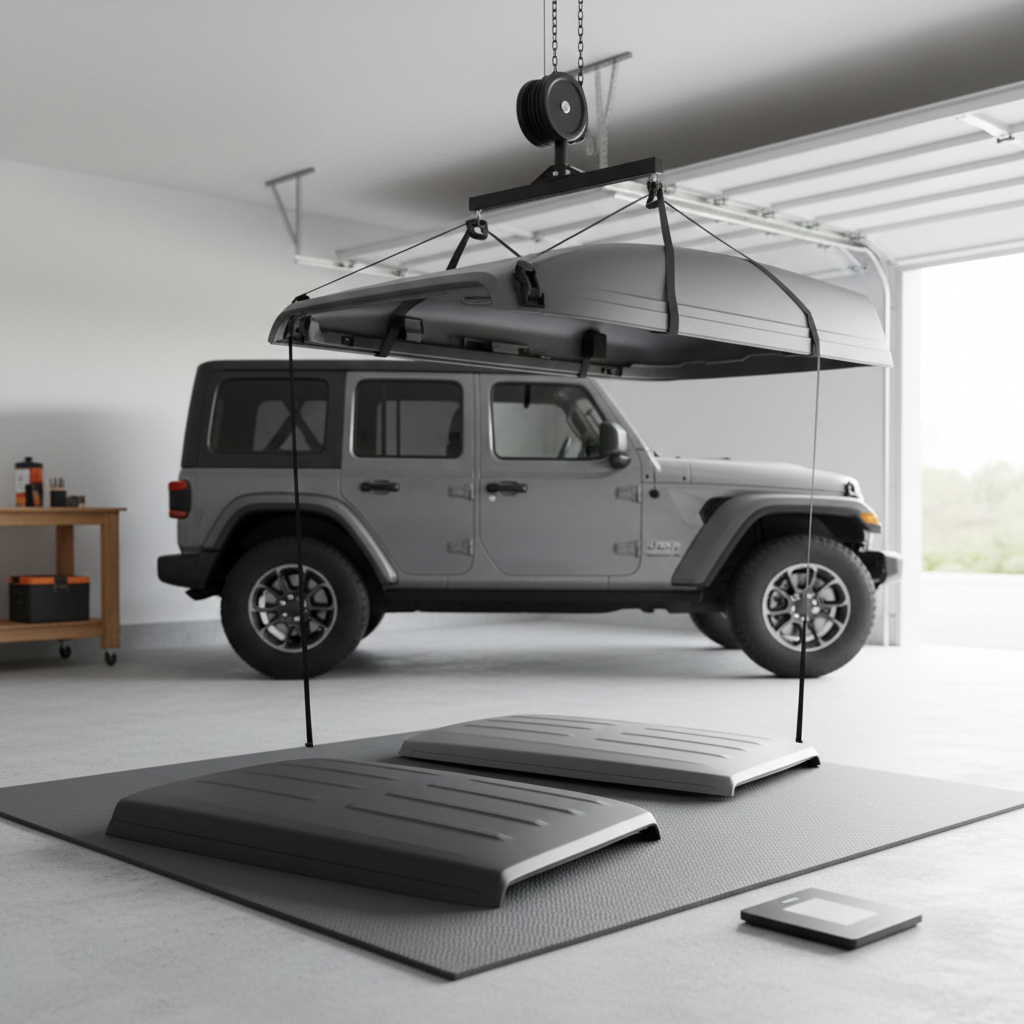
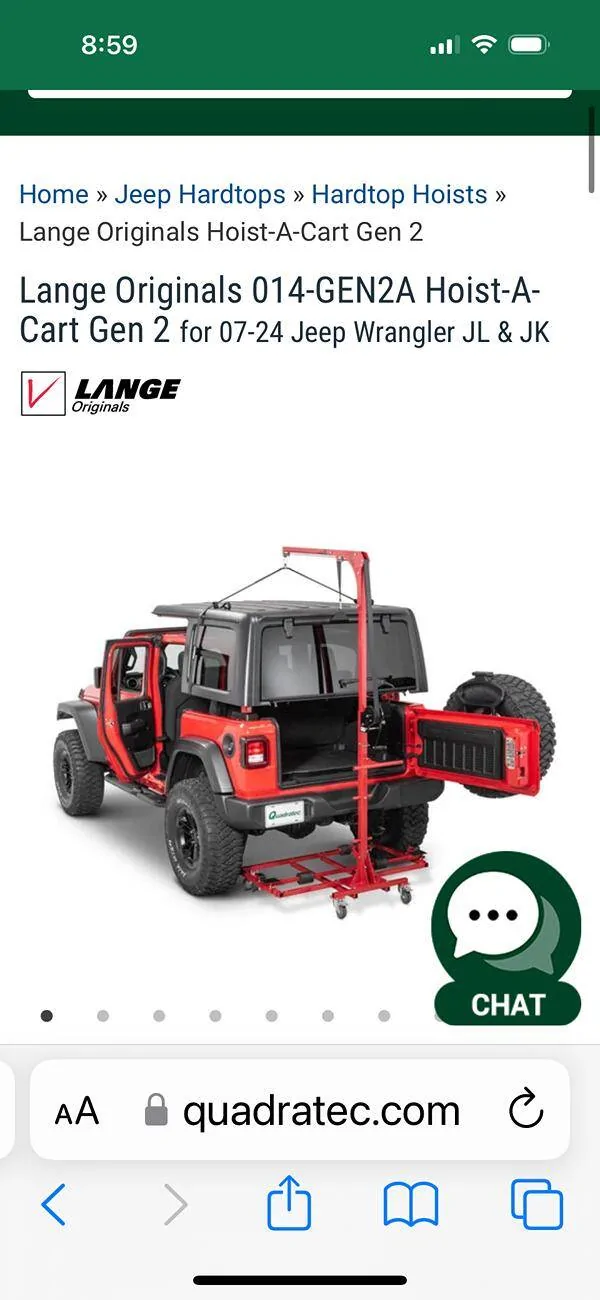
- Use a Hoist: Many Jeep owners install a garage hoist system. It makes removing and storing the top much easier.
- Protect the Edges: Place towels or foam on the ground to prevent scratches or cracks.
- Secure Storage: Store the hardtop upright on a soft surface. Don’t lay it flat, as the windows are vulnerable.
- Check Local Laws: In some places, driving without a top may be restricted. Always check before removing it.

Jeep Hardtop Vs. Soft Top Weight
Jeep owners often ask about the difference between hardtop and soft top weights. Here’s a quick look:
| Top Type | Average Weight | Pros & Cons |
|---|---|---|
| Hardtop | 100–150 lbs | More secure, better insulation, harder to remove |
| Soft Top | 20–40 lbs | Lighter, easier to remove, less secure |
A hardtop adds more weight to your Jeep, which can impact fuel efficiency and handling, but gives better weather protection and security.
Practical Tips For Managing Hardtop Weight
- Plan Ahead: Removing a hardtop is not a quick task. Set aside at least 30 minutes, and have the right tools ready.
- Label Bolts and Panels: Store hardware in labeled bags to avoid confusion during reinstallation.
- Weather Watch: Don’t remove your hardtop if rain is possible—you don’t want to get caught out.
- Use Proper Lifting Techniques: Bend your knees, not your back, and lift with your legs to prevent injury.
- Ask for Help: Even if you think you can handle it, a second person makes the job safer and easier.
One insight many beginners miss: Jeep hardtops can be slightly heavier than the manual says due to added accessories, dirt, or even old repairs. Always check the actual weight if you’re using a hoist or shipping the top.
Another tip: When shopping for a used hardtop, ask about prior repairs. Repaired tops sometimes have extra material added, making them heavier and harder to handle.
Frequently Asked Questions
How Much Does A Jeep Wrangler Hardtop Weigh?
Most Jeep Wrangler hardtops for 4-door models weigh around 140 pounds, while 2-door versions are closer to 100 pounds. The exact weight depends on the model year and features.
Can One Person Remove A Jeep Hardtop?
It’s possible for a strong person to remove a 2-door hardtop alone, but it’s risky. For 4-door hardtops, it’s best to have help or use a hoist to avoid injury or damage.
Is It Worth Buying A Lighter Aftermarket Hardtop?
A lighter aftermarket hardtop can be easier to handle and install, but may cost more. Some lightweight tops are not as durable as factory options, so balance your needs and budget.
Does The Hardtop Weight Affect Fuel Economy?
Yes, adding extra weight can reduce your Jeep’s fuel efficiency slightly. A hardtop is heavier than a soft top, but the difference is usually small unless you carry additional gear.
Where Can I Find Official Jeep Hardtop Weights?
You can check your owner’s manual or visit the Jeep Wrangler Wikipedia page for more detailed specifications by model and year.
Whether you’re planning a summer drive or storing your Jeep for winter, knowing your hardtop’s weight helps you make smart choices. Take your time, plan ahead, and enjoy the flexibility your Jeep offers.