Buying a Jeep is exciting. You picture the adventure, the power, and the freedom. But after some years, you might wonder how much your Jeep will be worth if you decide to sell. Understanding Jeep depreciation helps you make smarter choices. Many people are surprised to learn that Jeeps often keep value better than other brands, but there are important details to know. For example, some Jeeps hold value much better than others, and certain factors can make a big difference to your final resale price. Let’s break down how much a Jeep depreciates each year, why it happens, and what you can do about it.
What Is Vehicle Depreciation?
Depreciation is the loss in value of a car over time. When you drive a new Jeep off the lot, it instantly becomes a used vehicle. That first year sees the biggest drop. After that, the value goes down slowly each year. Depreciation depends on model, condition, mileage, and market demand. For example, a Jeep that is rarely driven and carefully maintained will lose value slower than one with high miles or many repairs. Even weather can play a role—Jeeps in cold, snowy areas may rust faster, which hurts value.
How Much Does A Jeep Depreciate Each Year?
Every Jeep model is a bit different, but let’s look at real-world numbers.
| Year | Depreciation Rate | Estimated Value (Based on $40,000 New) |
|---|---|---|
| 1st Year | 20% – 25% | $30,000 – $32,000 |
| 2nd Year | 10% – 15% | $26,000 – $29,000 |
| 3rd Year | 8% – 12% | $23,000 – $26,000 |
| 5th Year | 7% – 10% | $19,000 – $22,000 |
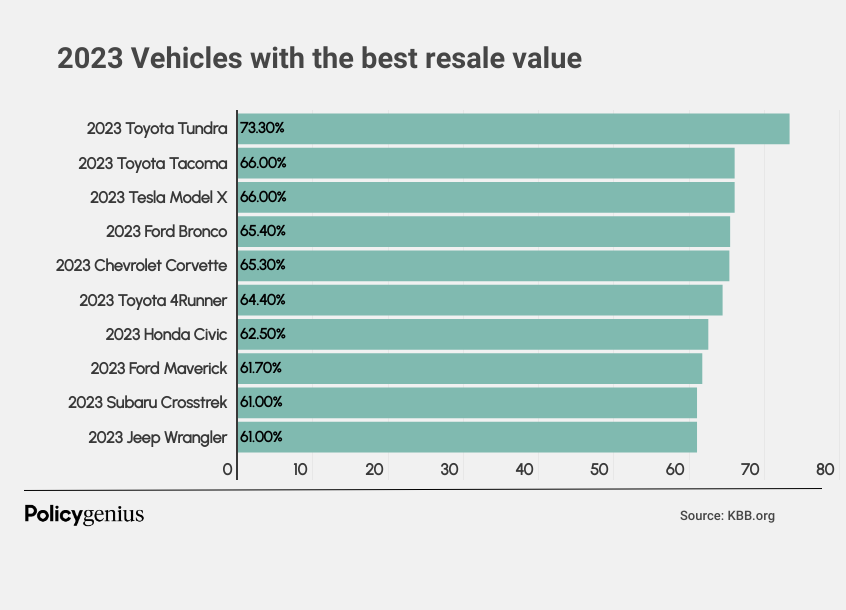
On average, a Jeep loses 40% to 50% of its value after five years. This is slightly better than many other SUVs. The first year is the most expensive because the car goes from “brand new” to “used,” which scares off some buyers who only want new vehicles. After the second year, the price drop slows down, which is why many buyers prefer to buy a Jeep that’s two or three years old—it’s still modern, but the largest depreciation is behind you.
Jeep Depreciation Compared To Other Brands
Jeeps are known for strong resale value. But how do they compare with other brands? Let’s see a simple comparison.
| Brand | 5-Year Depreciation (%) | Typical Resale Value |
|---|---|---|
| Jeep | 45% | Good |
| Ford | 50% | Average |
| Toyota | 35% | Excellent |
| Chevrolet | 55% | Poor |
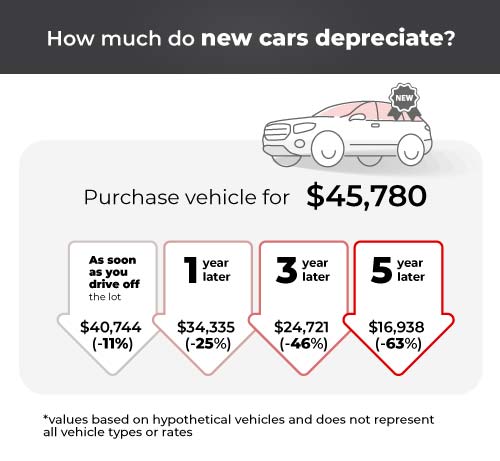
Jeep is not the best, but it’s above average. Toyota is famous for low depreciation, but Jeep often beats Ford and Chevrolet. One reason is that Jeep has a strong brand image, especially for outdoor and off-road use. People trust certain Jeep models to last, so they’re willing to pay more, even for older vehicles. However, it’s important to remember that not every Jeep will keep value the same way—some models perform much better than others.
Factors Affecting Jeep Depreciation
Many things change how fast your Jeep loses value. Here are the main factors:
- Model and Trim: Some Jeeps, like the Wrangler, keep value better than the Compass or Cherokee. The more popular the model, the slower it tends to lose value.
- Mileage: The more you drive, the lower the value. Try to keep mileage low if you want to sell for more. Even 10,000 extra miles can make a big difference in price.
- Condition: Clean, well-kept Jeeps with no accidents sell for higher prices. Small details, like clean seats and a scratch-free dashboard, can help.
- Demand: Popular models and colors hold value better. If a certain Jeep is always in high demand, it will lose value slower.
- Upgrades: Modifications can help or hurt resale. Factory upgrades are usually better than aftermarket changes. For example, factory-installed navigation adds value, but a lift kit might make it harder to sell.
- Market Trends: If fuel prices rise, gas-hungry Jeeps may lose value faster. Economic changes also affect used car prices.
- Location: Jeeps are popular in some regions, so local demand matters. For example, Jeeps may sell quickly in Colorado but slowly in Miami.
Non-obvious Insights
- Limited editions and rare trims sometimes depreciate less. This surprises many first-time buyers. A special edition Jeep with unique features can attract more buyers later, making it a better investment.
- Seasonal demand affects prices. Jeeps sell for more in spring and summer, when people plan adventures. If you sell in winter, you may get less, even if your Jeep is in great shape.
Real-world Example: Jeep Wrangler
The Jeep Wrangler is often seen as the best Jeep for resale. Let’s look at a real case:
If you buy a new Jeep Wrangler for $40,000, after 3 years it may still sell for about $26,000. That’s a 35% loss, while some SUVs lose 45% or more. After 5 years, a Wrangler could be worth $22,000. Older Wranglers (10+ years) still sell for thousands, especially if they’re in good shape. Even with higher mileage, Wranglers often find buyers quickly. This is partly because Wranglers have a strong fan community—owners are loyal, and buyers know they’re getting a rugged, reliable vehicle.
Another point: classic Wranglers sometimes even rise in value, especially rare trims or well-kept older models. Not many vehicles can say that.
Tips To Reduce Jeep Depreciation
You can’t stop depreciation, but you can slow it down. Here’s how:
- Keep service records. Buyers pay more for Jeeps with full maintenance history. Save every oil change and repair receipt.
- Avoid heavy modifications. Custom parts may lower value unless buyers want them. If you do make changes, keep the original parts to give to the next owner.
- Choose popular colors. Neutral colors like black, gray, or white keep value better. Unusual colors may be harder to sell.
- Protect the interior and exterior. Regular cleaning and repairs help. Simple habits, like using seat covers and parking in the shade, can prevent damage.
- Sell at the right time. Prices are higher in spring and summer. Avoid selling in late fall or winter if you want the best price.
Even small efforts, like fixing scratches or replacing worn tires, can boost resale value. Think of your Jeep as an investment care and timing matter.
Jeep Models: Depreciation Quick Guide
Here’s a simple look at how popular Jeep models depreciate:
| Model | 5-Year Depreciation (%) | Value Retention |
|---|---|---|
| Wrangler | 40% | Strong |
| Grand Cherokee | 50% | Average |
| Compass | 55% | Below Average |
| Renegade | 58% | Poor |
The Wrangler stands out for lower depreciation. If you want to keep resale value, this model is a smart choice. The Grand Cherokee is a good family SUV, but it loses value faster than the Wrangler. Smaller Jeeps like the Compass and Renegade are cheaper to buy but lose value more quickly, so they may not be the best choice if resale is important to you.
Frequently Asked Questions
How Much Does A Jeep Lose Value In The First Year?
Most Jeeps lose 20% to 25% in their first year. This is normal for new cars. The drop is biggest right after purchase. After that, the rate slows down each year.
Why Do Jeep Wranglers Hold Value Better?
Wranglers have high demand, simple mechanics, and strong reputation. Many buyers look for used Wranglers, so prices stay up. Their off-road ability and classic style also help.
Is Buying A Used Jeep Smarter For Avoiding Depreciation?
Yes. Used Jeeps have already faced the biggest depreciation.
You lose less value compared to buying new. For many people, buying a Jeep that’s 2 3 years old is a smart move.
Does Location Affect Jeep Depreciation?
Definitely. In areas with snow or off-road trails, Jeeps are more popular and lose value slower.
In cities, demand may be lower. In warm, flat places, smaller cars might sell better.
Can Modifications Improve Resale Value?
Sometimes. Factory upgrades, like leather seats or navigation, help.
But heavy off-road mods can make resale harder unless buyers want them. If you modify your Jeep, keep old parts in case you want to restore it before selling.
Jeep depreciation is a key factor when buying or selling. If you understand the numbers, you can make smarter decisions and keep more money in your pocket. Jeeps, especially Wranglers, are strong in resale but still lose value each year. If you care for your Jeep and sell at the right time, you can reduce depreciation’s impact. For deeper research, check this Kelley Blue Book article. Knowing these facts gives you confidence whether you’re buying new or used.