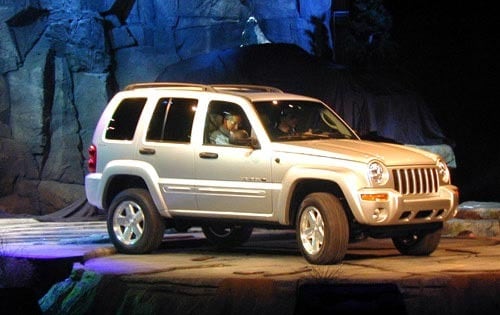
The 2002 Jeep Liberty is a popular compact SUV that offers a mix of rugged capability and comfortable driving. Many buyers and owners want to know its exact weight, as this affects performance, fuel economy, towing, and even registration costs.
But weight figures can be confusing—there are different numbers for different trims, with or without gear, and depending on what’s included. Let’s break down exactly how much a 2002 Jeep Liberty weighs, why it matters, and how it compares to similar vehicles.
What Is The Weight Of A 2002 Jeep Liberty?
The curb weight is the most common figure people look for. Curb weight means the vehicle with all fluids (oil, coolant, full tank of gas) but no passengers or cargo. This is the “ready to drive” state, which most car makers use to compare models.
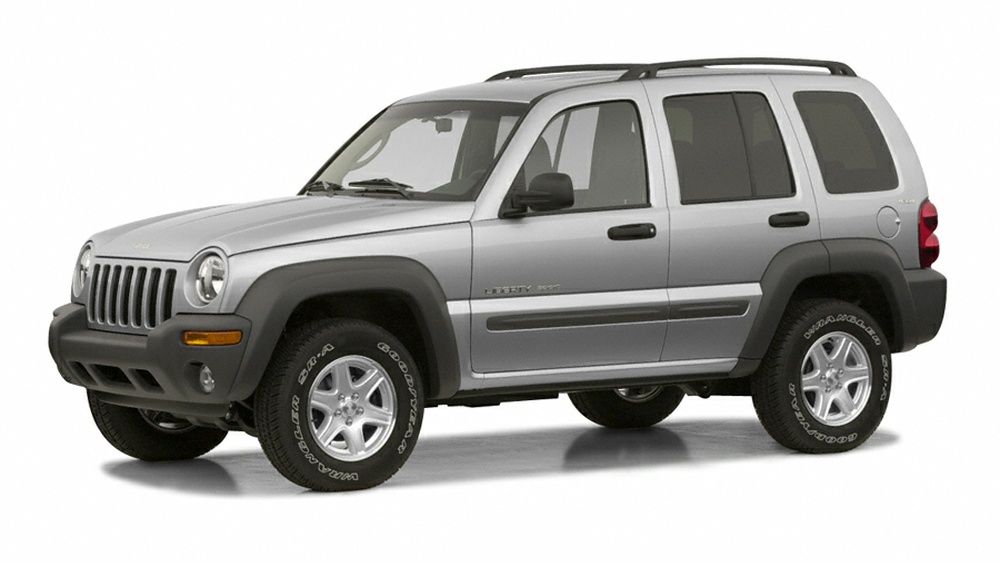
For the 2002 Jeep Liberty, curb weight depends on the trim and engine:
- Jeep Liberty Sport (2WD, 3.7L V6): About 3,707 lbs
- Jeep Liberty Limited (4WD, 3.7L V6): About 3,911 lbs
- Jeep Liberty Sport (2WD, 2.4L I4): About 3,485 lbs
These numbers come from manufacturer data and are reliable for most uses. If your Liberty has factory options like sunroof, larger wheels, or the towing package, the weight might be slightly more sometimes by 50 100 lbs.
If you’re adding after-market parts, like a steel bumper or roof tent, the total can go up further.
Why Does Vehicle Weight Matter?
Understanding your SUV’s weight is more than just trivia. Here’s why it matters:
- Fuel Economy: Heavier vehicles use more gas. The Liberty is not the lightest, so expect moderate mileage. For example, the 3.7L V6 uses more fuel than the 2.4L I4, especially in city driving or when climbing hills.
- Towing Capacity: Weight affects how much you can safely tow. The 2002 Liberty can tow up to 5,000 lbs—but actual limits depend on the model, equipment, and if you have the factory tow package. Exceeding limits can damage the transmission or brakes.
- Handling: Extra weight can make a vehicle feel less nimble, especially in city driving. When fully loaded, the Liberty may have a longer stopping distance and can feel less responsive in sharp turns.
- Registration and Taxes: Some states use weight to calculate fees. Heavier vehicles sometimes cost more to register, especially in states with weight-based brackets.
A common mistake is confusing curb weight with gross vehicle weight rating (GVWR). GVWR is the maximum total weight (vehicle plus passengers and cargo) the car can safely handle. For the 2002 Liberty, GVWR is about 5,500 lbs. This means you should never load the Jeep above this number, or you risk mechanical problems and safety issues.
Another overlooked detail: the payload capacity (how much you can carry inside) is the difference between GVWR and curb weight. For example, if your curb weight is 3,700 lbs and your GVWR is 5,500 lbs, you can carry about 1,800 lbs of people and cargo safely.
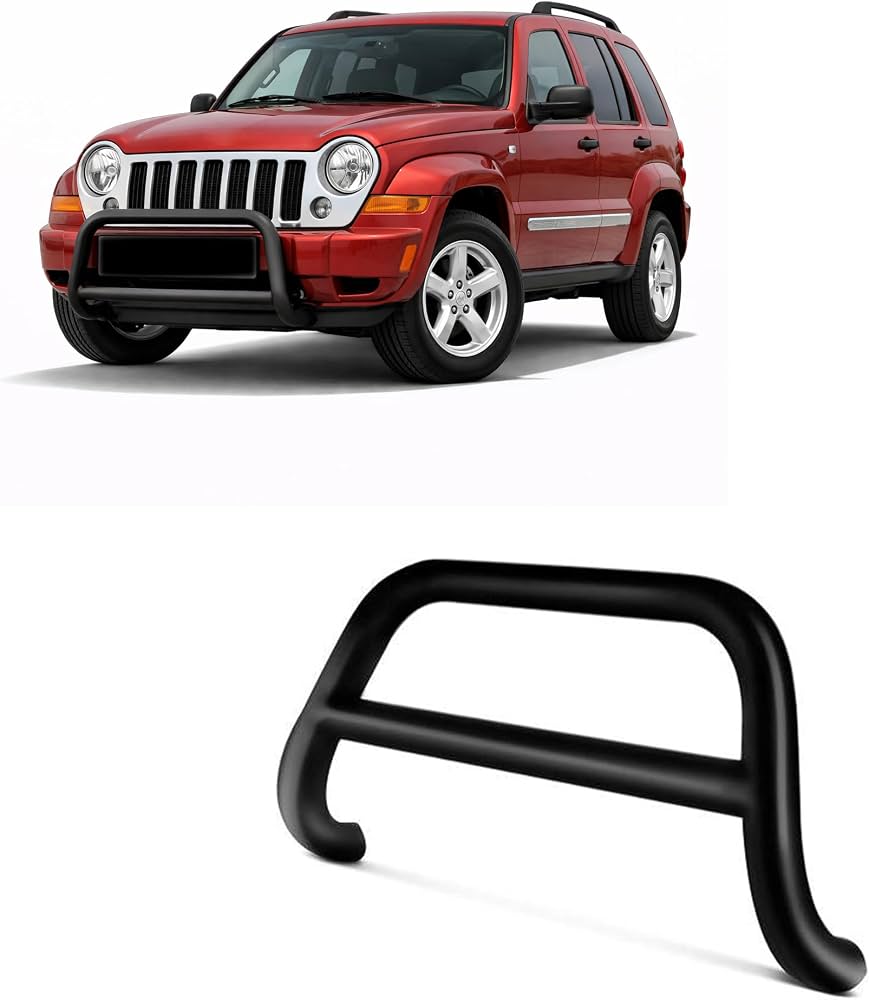
Trim And Engine Variations
The 2002 Jeep Liberty came with different options:
- Sport and Limited trims
- 2WD or 4WD
- 3.7L V6 or 2.4L I4 engine
Each option changes the weight slightly. For example, 4WD adds extra parts for off-road use, making the vehicle heavier.
The Limited trim also has more comfort features, which can add a few extra pounds things like power seats, extra speakers, or leather upholstery.
Even things like the type of transmission matter. The automatic transmission adds about 30 40 lbs compared to the manual.
If you have skid plates or tow hooks (common with the “Off-Road” package), add even more.
Comparison Table: 2002 Jeep Liberty Weights
Here’s a clear comparison of the main trim weights:
| Trim | Engine | Drive | Curb Weight (lbs) |
|---|---|---|---|
| Sport | 2.4L I4 | 2WD | 3,485 |
| Sport | 3.7L V6 | 2WD | 3,707 |
| Limited | 3.7L V6 | 4WD | 3,911 |
You’ll notice the differences are not huge, but they do affect how the SUV drives and what you can carry or tow. If you care about fuel efficiency, the lighter 2.
4L I4 is a better choice, but many people prefer the power of the V6, especially for towing or rough roads.
How Does The 2002 Jeep Liberty Compare To Similar Suvs?
The Liberty’s weight is close to other compact SUVs. For example:
- Ford Escape (2002): About 3,350–3,600 lbs
- Toyota RAV4 (2002): About 3,100–3,300 lbs
- Honda CR-V (2002): About 3,300 lbs
The Liberty is a bit heavier, mostly because of its strong frame and available V6. This extra weight helps off-road but can reduce fuel economy.
The heavier build makes the Liberty feel more solid on rough terrain or gravel roads.
Most competitors use lighter, car-like frames. The Liberty uses a true SUV platform, which adds weight but also durability.
If you plan to drive off-road or tow small trailers, the extra weight and power are often a good trade-off.
Data Table: Compact Suv Weight Comparison
| Model | Curb Weight (lbs) |
|---|---|
| Jeep Liberty | 3,485–3,911 |
| Ford Escape | 3,350–3,600 |
| Toyota RAV4 | 3,100–3,300 |
| Honda CR-V | 3,300 |
It’s worth noting that the Liberty’s extra weight means it may feel more stable in bad weather, like heavy rain or snow, compared to lighter SUVs.

Tips For Checking Weight And Avoiding Mistakes
Many owners make mistakes with weight figures. Here’s how to get it right:
- Look for curb weight in the owner’s manual or on the driver’s door sticker. This is the most accurate for your specific vehicle.
- Don’t confuse GVWR with curb weight—they are very different numbers. GVWR is always higher and includes the total loaded weight.
- If you add heavy accessories (roof rack, winch, bigger tires), your real weight goes up. This can reduce your safe carrying and towing limits.
- For towing, always consider the total weight (vehicle plus trailer plus cargo). Overloading is a common cause of breakdowns and accidents.
Two insights most beginners miss:
- Real-world weight can change: After years of use, added accessories, and repairs can add up to 100–200 lbs extra. Even mud stuck under the frame after off-roading can add a few pounds.
- Weight affects insurance: Heavier vehicles sometimes cost more to insure, especially if used for towing or off-road. Insurance companies may also ask about modifications that add weight.
Another small detail: tire pressure recommendations change with vehicle load. Always check your owner’s manual if you carry heavy loads often.
Frequently Asked Questions
How Much Does A 2002 Jeep Liberty Weigh With Passengers?
The weight goes up by the amount of each passenger plus cargo. For example, with four adults (about 150 lbs each) and some luggage, add around 700 800 lbs to the curb weight.
If you load up for a camping trip, total vehicle weight can quickly approach the GVWR limit.
Is The 2002 Jeep Liberty Heavier Than Newer Models?
Newer Liberty models are similar in weight, but some later versions have lighter parts. The difference is usually less than 100 lbs.
However, more recent SUVs from other brands often focus on weight savings for better fuel economy.
Does The Engine Size Affect The Weight?
Yes. The 3.7L V6 version is about 200–300 lbs heavier than the 2.4L I4 due to the larger engine and extra components. This affects both how the Liberty drives and its running costs.
How Does Weight Affect Fuel Economy In The 2002 Jeep Liberty?
Heavier trims (like 4WD V6) use more gas. Owners report 16 18 mpg for heavier models and 19 21 mpg for lighter ones.
Driving habits, tire size, and maintenance also play a role.
Where Can I Find Official Weight Information?
Check the owner’s manual, the sticker in the driver’s door, or visit Jeep Official Site for factory data. If you’re unsure, some repair shops can weigh your SUV on a certified scale.
Understanding your 2002 Jeep Liberty’s weight helps you make smart choices for maintenance, towing, and daily use. Whether you’re comparing models or planning a road trip, knowing the exact numbers gives you confidence and helps avoid common mistakes. If you need deeper technical info, always check official sources or ask a trusted mechanic. This attention to detail will keep your Liberty safe, legal, and ready for any adventure.