If you’re thinking about buying a 2000 Jeep Wrangler, or simply curious about its specs, knowing the weight is important. Vehicle weight affects fuel use, handling, and even how you tow or transport your Jeep.
Many owners ask this question because weight can change depending on the model and features. In this article, you’ll find clear answers, real numbers, and useful comparisons to help you understand exactly how much a 2000 Jeep Wrangler weighs.
Knowing the actual weight can also help you if you plan to drive off-road, since lighter vehicles often handle trails better. Or, if you want to ship your Jeep, you’ll need this info for transport companies.
Whether you’re a first-time buyer or an experienced Jeep owner, understanding the Wrangler’s weight helps you avoid surprises and make better choices.
What Is The Curb Weight Of A 2000 Jeep Wrangler?
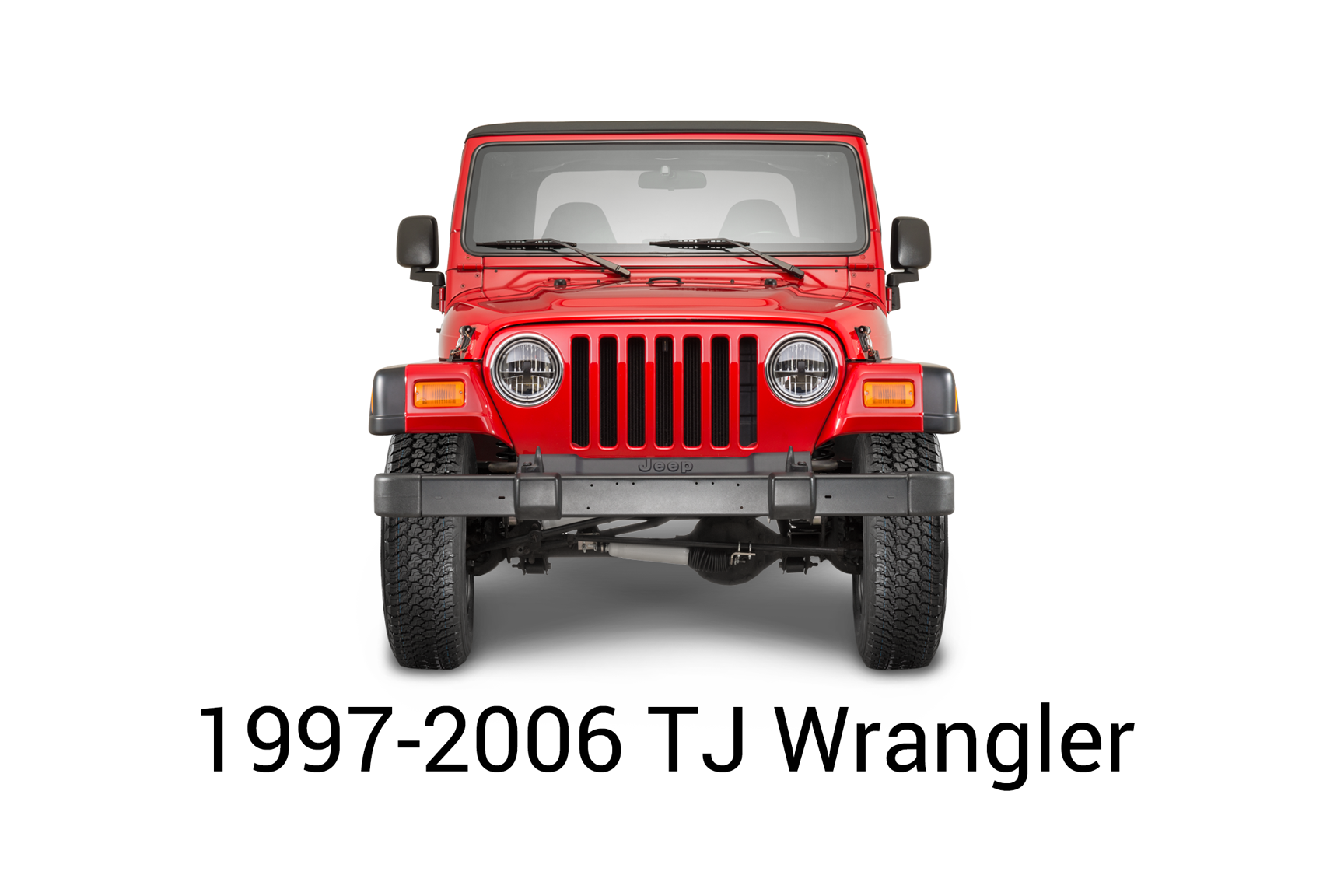
The curb weight is the total weight of the car as it sits, ready to drive. It includes all fluids, a full fuel tank, but no passengers or cargo. For the 2000 Jeep Wrangler, the curb weight varies by model and trim.
- 2000 Jeep Wrangler SE: About 2,923 lbs
- 2000 Jeep Wrangler Sport: About 3,241 lbs
- 2000 Jeep Wrangler Sahara: About 3,241 lbs
These numbers come from official Jeep documents and trusted automotive sources. The SE model is lighter due to its smaller engine and fewer features.
Sport and Sahara trims are heavier because they come with more options and a bigger engine.
It’s good to remember that these numbers are for stock vehicles. If your Jeep has non-standard parts, the actual weight can be different.
Even the fuel level can change the weight by a few pounds. Some dealers or sellers might list “shipping weight” or “gross weight,” but curb weight is what most owners care about.
Trim Differences: Se, Sport, Sahara
Each trim has unique features that affect its weight:
- SE
- 2.5L engine
- Basic interior
- Fewer accessories
- Lighter frame
- Sport
- 4.0L engine
- More interior features
- Larger wheels
- Sahara
- Premium trim
- Extra features (fog lights, upgraded seats)
- Heavier bumpers
It’s easy to miss how much small features like bigger tires or added trim can increase weight. Even a hardtop vs. soft top can change the total weight by about 50 lbs.
Another detail: the Sahara’s premium trim includes extras like wider fender flares, special decals, and even side steps, each adding a few more pounds. The Sport and Sahara usually come with bigger tires and alloy wheels, which are heavier than the basic steel ones on the SE. If your Wrangler has air conditioning or a factory sound system, that’s extra weight too—sometimes 20–30 lbs more than the basic version. These differences may seem small, but they add up, especially if you value fuel economy or plan to carry extra gear.
Weight Comparison Table: 2000 Jeep Wrangler Models
Here’s a quick comparison of the three main trims:
| Model | Engine | Curb Weight (lbs) | Top Type |
|---|---|---|---|
| SE | 2.5L I4 | 2,923 | Soft/Hard |
| Sport | 4.0L I6 | 3,241 | Soft/Hard |
| Sahara | 4.0L I6 | 3,241 | Soft/Hard |
Notice that the Sport and Sahara models share the same engine and base weight, but extra features can make the Sahara a bit heavier in practice. Also, both soft tops and hardtops fit any trim, but the hardtop is more common on Sahara models.
If you’re looking at used Jeeps, always check the actual build, since previous owners may have swapped parts or changed the top.
Gross Vehicle Weight Rating (gvwr)
The GVWR is the maximum weight your Jeep can safely carry, including passengers and cargo. For the 2000 Wrangler:
- SE: 4,150 lbs
- Sport/Sahara: 4,450 lbs
It’s important not to confuse GVWR with curb weight. GVWR is much higher, and exceeding it can damage your Jeep or be unsafe.
For example, if your Sport model weighs 3,241 lbs empty, you can safely add about 1,200 lbs of people, gear, and cargo before reaching the limit.
If you plan to load up with camping gear, tow a small trailer, or carry heavy tools, knowing the GVWR helps you avoid overloading.
Remember that going over the GVWR can also affect your insurance and even your warranty if something goes wrong.
Real-life Examples: Accessories And Modifications
Many owners add accessories like winches, bumpers, roof racks, or bigger tires. These changes can add 100–300 lbs to the vehicle. Even simple things like a full-size spare tire or steel bumpers make a difference. If you plan to add parts, calculate the extra weight to stay safe and avoid problems.
Let’s say you add a winch (60 lbs), steel front bumper (70 lbs), and rock sliders (40 lbs each side). That’s already 210 lbs extra.
Add a roof rack and light bar, and you could reach 300 lbs more than stock.
Some off-roaders also install skid plates under the Jeep for protection these can add another 40 80 lbs. Many beginners forget to include the weight of water, recovery gear, or even pets.
Over time, these additions can push your Jeep closer to its GVWR, which will affect the way it drives, brakes, and even how it wears tires or suspension parts.
How Does Wrangler Weight Compare To Other Suvs?
The Wrangler is lighter than many modern SUVs, which often weigh 4,000–5,000 lbs. This makes it easier to tow, but also means less cargo space.
| Vehicle | Year | Curb Weight (lbs) |
|---|---|---|
| Jeep Wrangler (SE) | 2000 | 2,923 |
| Ford Explorer | 2000 | 4,010 |
| Toyota 4Runner | 2000 | 3,720 |
Compared to the Ford Explorer or Toyota 4Runner, the Wrangler feels more nimble and uses less fuel. But it also means the Wrangler can feel less stable at high speed and has a lower towing capacity.
This lighter weight is an advantage off-road, where getting stuck is less likely.
However, if you need to carry a lot of passengers or gear, you might find the Wrangler’s smaller size and lighter frame a limitation.
Why Weight Matters For Owners
Weight affects several key things:
- Fuel economy: Heavier vehicles use more gas.
- Handling: Light vehicles are easier to control off-road.
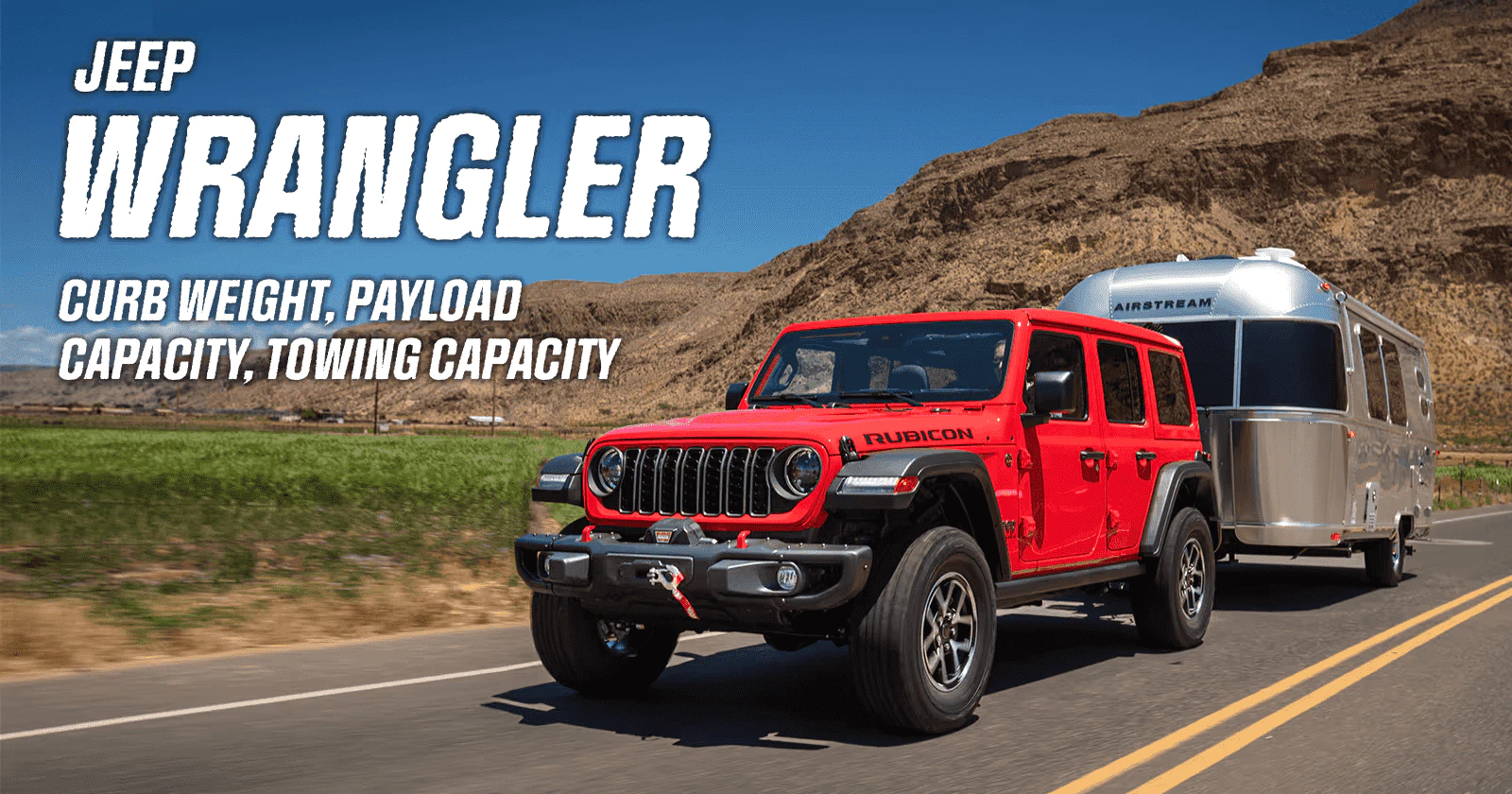
- Towing: Knowing the weight helps when towing or hauling.
- Registration and taxes: Some states use vehicle weight to set fees.
Many beginners forget that the weight changes with gear and passengers. Always check your weight after adding equipment, especially if you plan to tow.
Another point many owners miss: the Jeep’s suspension, brakes, and even the frame are designed for a certain weight range. If you add too much, you can wear out these parts faster or even risk safety problems. For example, overloaded Wranglers can have longer stopping distances or feel unstable in sharp turns. Also, if you use a roof rack, the weight up high can raise your center of gravity and increase the chance of a rollover. Balancing your modifications with safety and comfort is always smart.
Tips For Managing Wrangler Weight
- Remove unused accessories to save weight
- Choose a soft top to reduce weight
- Check your owner’s manual for exact numbers
- Don’t overload with cargo beyond the GVWR
- Weigh your Jeep after modifications
These are practical steps to keep your Wrangler safe and efficient.
If you often drive off-road, keep your Jeep as light as possible for better traction and easier recovery. Many off-roaders even remove the rear seat or doors when on trails.
If you’re adding heavy parts for protection, balance them front and rear to keep your Jeep stable.
And always re-weigh your Wrangler after big changes local truck stops or auto shops often have scales you can use for a small fee.