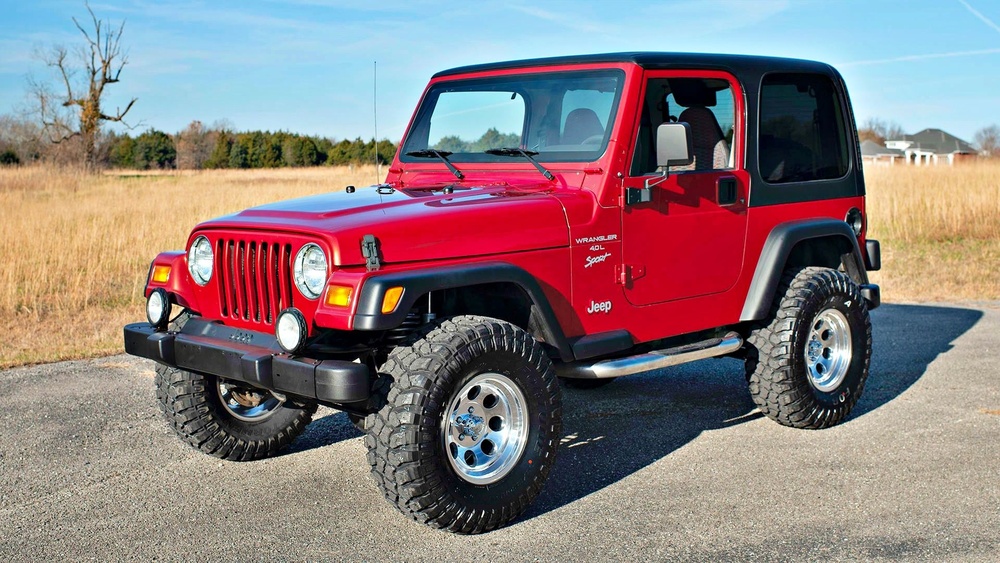
The 1999 Jeep Wrangler is a classic off-road vehicle loved for its ruggedness, simple design, and adventure-ready spirit. Many Jeep fans want to know: *How much does a 1999 Jeep Wrangler weigh?* The answer is important for towing, modifications, and understanding performance. This guide explores the 1999 Wrangler’s weight by model, main factors that influence it, and why this number matters for drivers and owners.
1999 Jeep Wrangler Curb Weights By Model
The curb weight is how much the vehicle weighs with all fluids and a full tank of gas, but without passengers or cargo. In 1999, Jeep offered two main Wrangler trims: the SE and the Sport/Sahara. Both came with two doors and a choice of soft or hard top.
Here’s a simple breakdown of the main models and their factory curb weights:
| Model | Engine | Transmission | Curb Weight (lbs) |
|---|---|---|---|
| SE Soft Top | 2.5L I4 | Manual | 3,036 |
| Sport/Sahara Soft Top | 4.0L I6 | Manual | 3,241 |
| Sport/Sahara Hard Top | 4.0L I6 | Automatic | 3,419 |
As you see, most 1999 Wranglers weigh between 3,000 and 3,400 pounds. The specific number depends on the model, top, engine, and transmission.
Main Factors That Affect Wrangler Weight
Not every 1999 Wrangler weighs exactly the same. Here are the key factors that influence the total weight:
- Engine Type: The 2.5L 4-cylinder engine is lighter than the 4.0L 6-cylinder. More power means a heavier motor and extra parts.
- Transmission: Automatic transmissions weigh more than manuals because they have extra hardware.
- Top Type: Hard tops are heavier than soft tops. The hard top’s solid material adds about 100-150 pounds.
- Options and Add-ons: Factory options like air conditioning, larger tires, or upgraded sound systems add weight. Aftermarket add-ons like winches, bumpers, or roof racks can also make a difference.
- Fuel and Fluids: Curb weight is measured with a full tank and all fluids. If you check your Wrangler empty, it may seem lighter.
Why Wrangler Weight Matters
Knowing your Wrangler’s weight helps in several ways:
- Towing and Hauling: The Wrangler is not a heavy-duty truck, but people use it to tow small trailers or boats. Stay under the Jeep’s weight limits for safety.
- Performance and Fuel Economy: Heavier vehicles use more fuel and may feel slower, especially with the smaller 4-cylinder engine.
- Legal and Off-Road Rules: Some trails or bridges have weight limits. Knowing your Wrangler’s number can help you avoid trouble.
- Modifications: Many owners add parts like steel bumpers or lifts. These extra pounds change how your Jeep drives and may affect brakes or suspension.
Comparing Wrangler Weights: 1999 Vs Other Years
How does the 1999 Wrangler compare to other model years? Let’s take a look:
| Year | Base Engine | Curb Weight (lbs) |
|---|---|---|
| 1997 | 2.5L I4 | 3,032 |
| 1999 | 2.5L I4 | 3,036 |
| 2006 | 4.0L I6 | 3,241 |
The weight didn’t change much in the late 1990s and early 2000s. The main jump in Wrangler weight came later, with bigger models and more safety features.
Real-world Wrangler Weights
Many owners find that their actual Wrangler weighs more than the factory number. Here’s why:
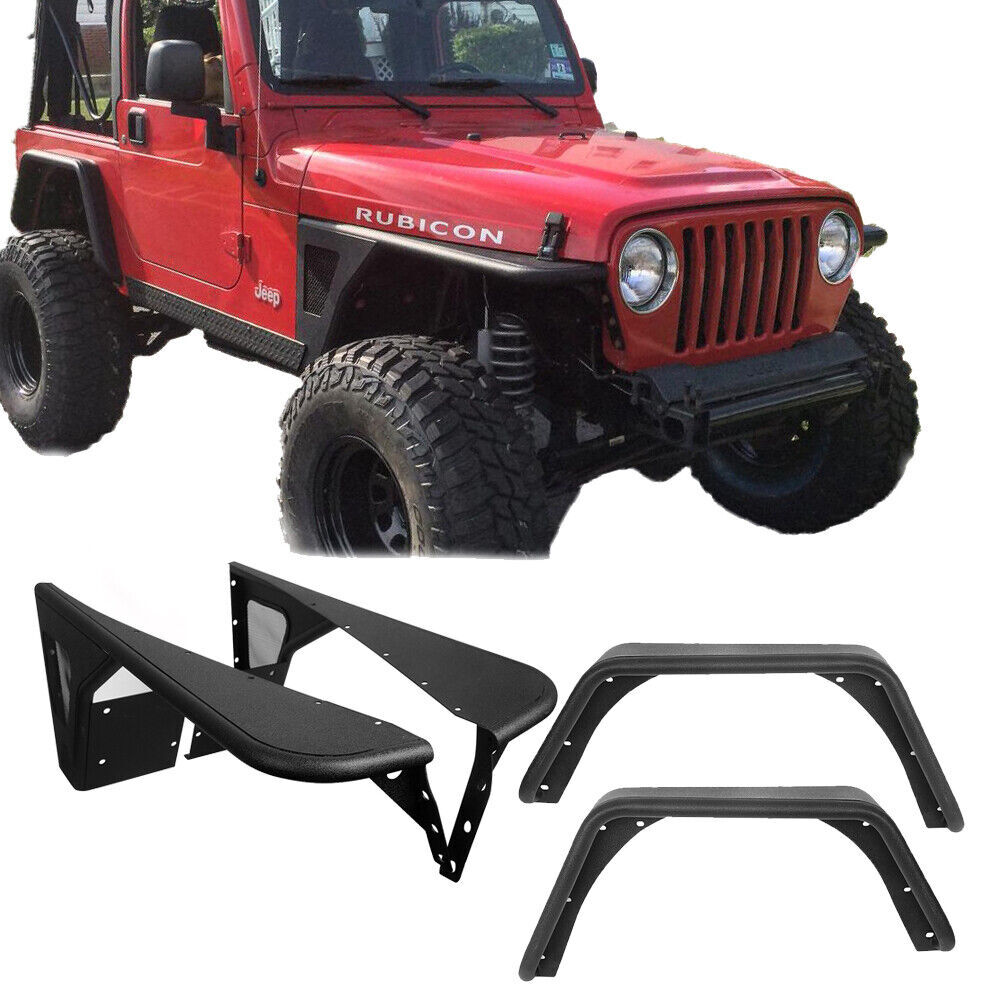
- Aftermarket Bumpers: Adding steel bumpers can add 100–200 pounds.
- Winches and Roof Racks: Each can add 50–100 pounds.
- Larger Tires and Wheels: Bigger tires are heavier than stock.
- Camping or Overlanding Gear: Extra equipment for adventures quickly adds up.
If you want to know your real Jeep’s weight, the best way is to visit a truck scale. This gives you an exact number, including all your custom parts and gear.
Two Non-obvious Insights For Wrangler Owners
Most people focus only on the listed factory weight, but here are two things many beginners miss:
- Payload matters as much as curb weight. The Wrangler’s payload (the weight it can safely carry, including passengers and cargo) is about 800–900 pounds. This is much less than a truck, so it’s easy to overload if you add heavy accessories or gear.
- Distribution is as important as total weight. If you load all heavy gear on one side or at the back, you can change how the Jeep handles, making it less safe off-road or on steep hills.
Common Mistakes When Estimating Jeep Weight
Some Wrangler owners guess their vehicle’s weight based on internet numbers. Here are mistakes to avoid:
- Relying only on the VIN sticker: This shows Gross Vehicle Weight Rating (GVWR), not actual weight.
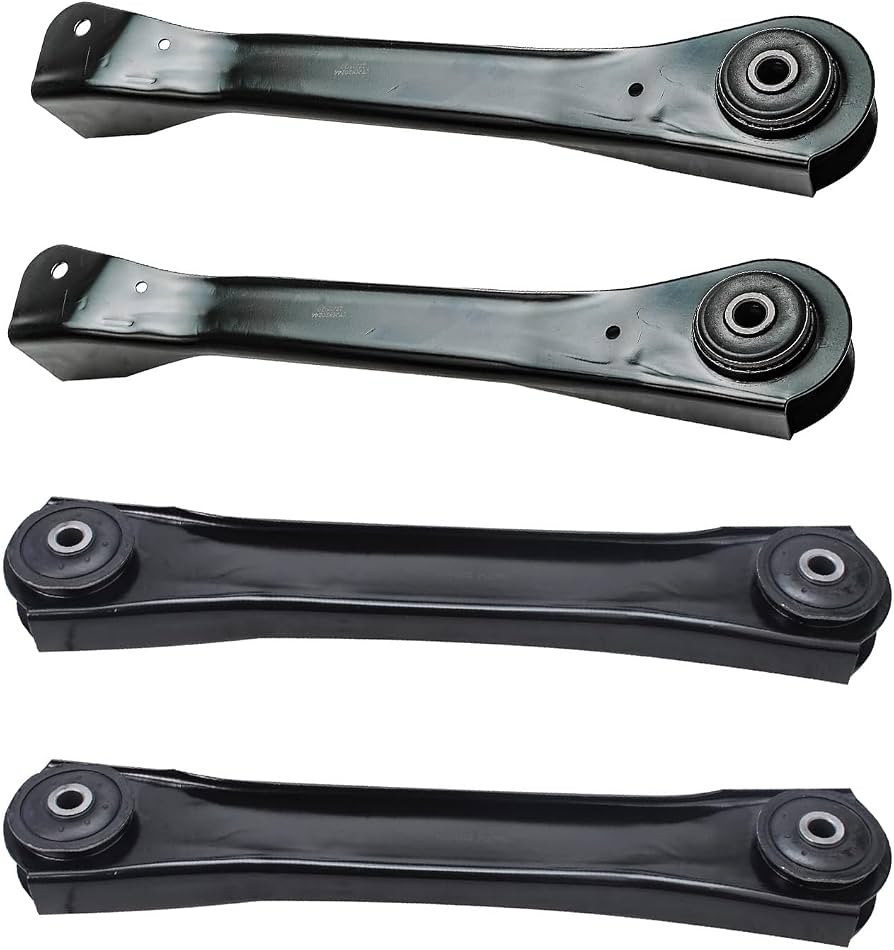
- Forgetting aftermarket parts: Even small changes add up.
- Ignoring fluids: Oil, coolant, and gas are part of curb weight.
Weight And Off-road Performance
A lighter Wrangler is often better for off-roading. Less weight means less strain on the suspension, easier climbing, and better fuel use. If you plan to add heavy accessories, think about how they affect performance and safety.
Frequently Asked Questions
How Much Does A Stock 1999 Jeep Wrangler Weigh?
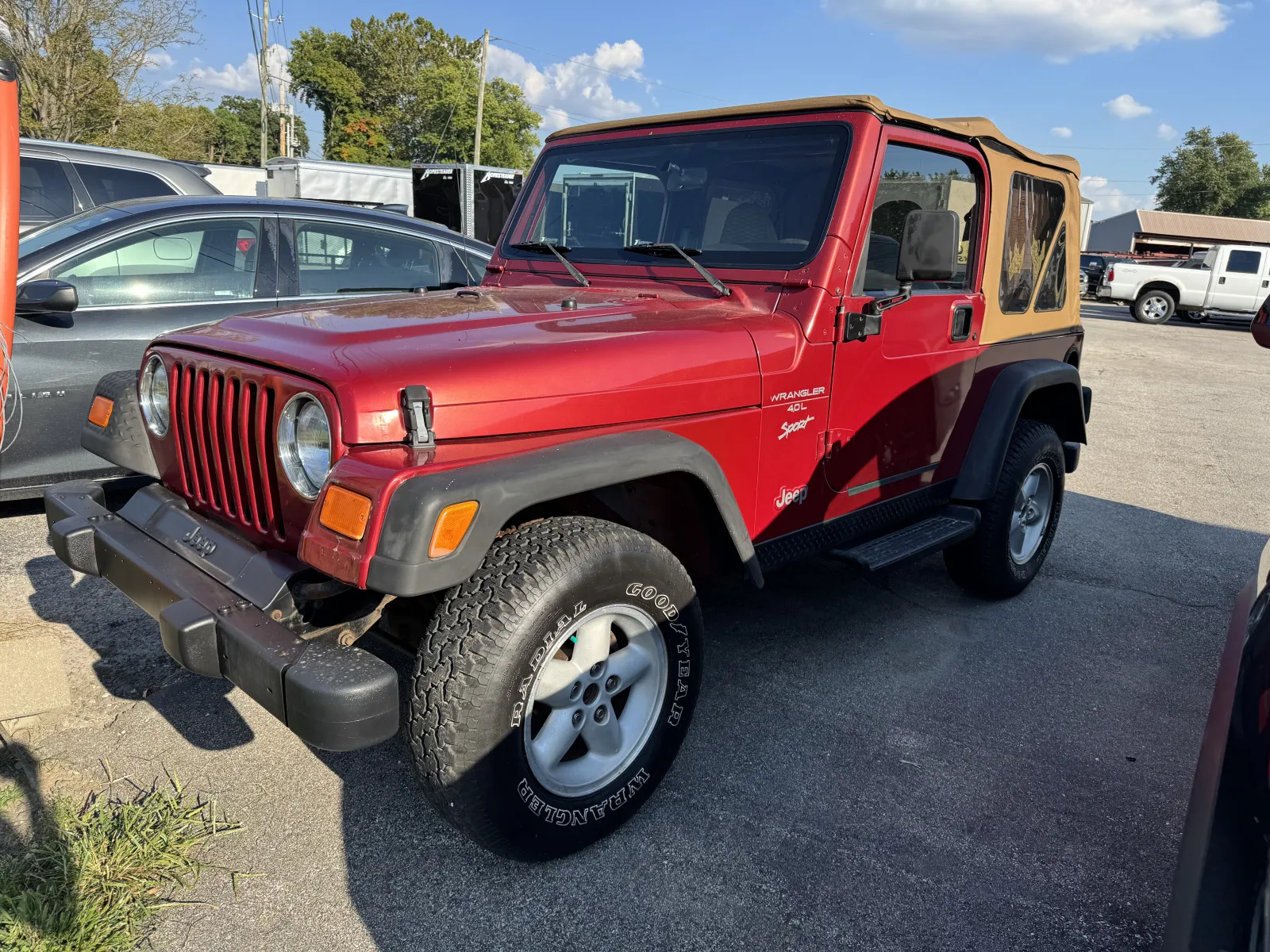
A stock 1999 Jeep Wrangler usually weighs between 3,036 and 3,419 pounds, depending on model, engine, and top.
What Is The 1999 Wrangler’s Payload Capacity?
The payload capacity is about 800–900 pounds. This includes passengers, cargo, and any added equipment.
Does A Hard Top Add Much Weight?
Yes. A hard top adds about 100–150 pounds compared to a soft top.
How Can I Find My Wrangler’s Exact Weight?
The most accurate way is to use a public truck scale. Drive onto the scale with your Jeep as you use it (with accessories and gear) for a true measurement.
Where Can I Learn More About Jeep Wrangler Specs?
You can find more details at the official Jeep Wrangler Wikipedia page.
Whether you’re planning upgrades, towing, or just want to know more about your 1999 Jeep Wrangler, understanding its weight is key. With this knowledge, you’ll make smarter choices for safety, performance, and adventure.