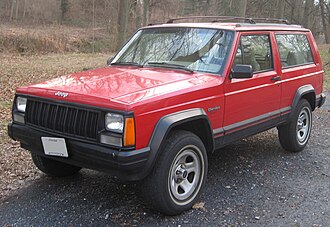
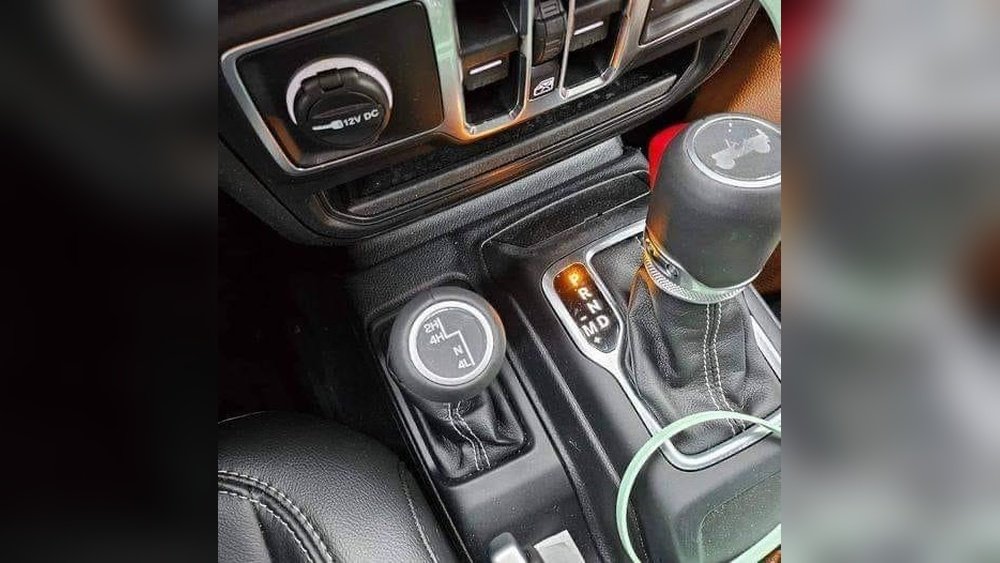
When people talk about classic SUVs, the 1998 Jeep Cherokee often comes up. This model is famous for its durability, simple design, and off-road capabilities.
But many buyers, owners, and enthusiasts wonder: How much does a 1998 Jeep Cherokee weigh? Understanding its weight is important for several reasons, from fuel efficiency to towing and handling.
Let’s explore the weight details, differences between models, and what this means for everyday use.
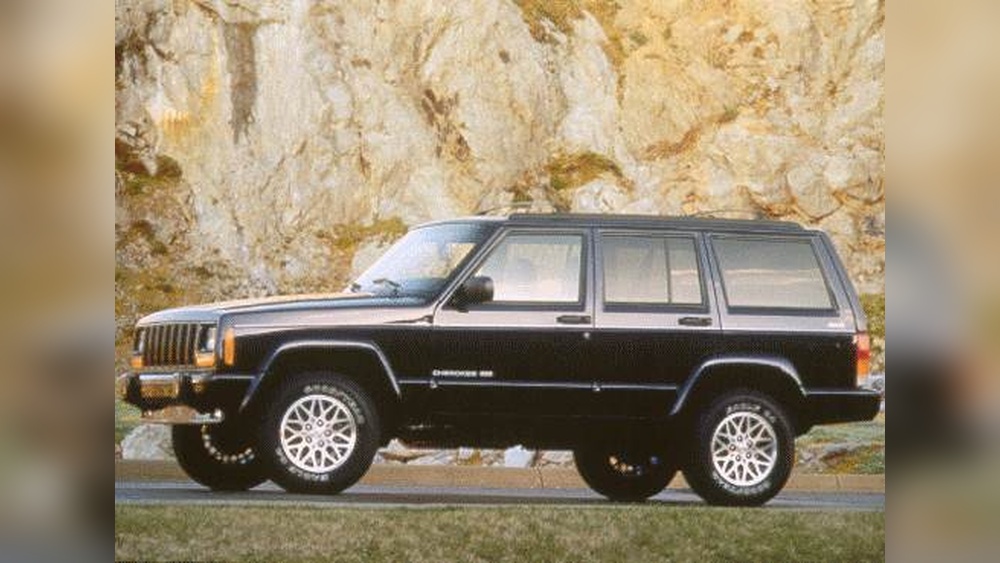
Weight Specifications For The 1998 Jeep Cherokee
The weight of a 1998 Jeep Cherokee depends on the trim, engine type, and whether it’s two-wheel drive or four-wheel drive. Most Cherokees from this year fall into the compact SUV category, but there are small differences between each version. Even the paint color or factory options like a sunroof can change the weight slightly, although these changes are usually less than 20 lbs.
Curb Weight Explained
Curb weight is the total weight of the vehicle with all standard equipment, fluids, and a full tank of gas—but without passengers or cargo. This is the most common way people measure vehicle weight. It’s important to note that curb weight does not include extra items like floor mats, personal belongings, or aftermarket gear.
- Base Model (2WD, 2.5L engine): Approximately 3,070 lbs
- Sport/Classic (4WD, 4.0L engine): Around 3,300 lbs
- Limited (4WD, 4.0L engine, loaded features): Up to 3,350 lbs
So, most 1998 Jeep Cherokees weigh between 3,070 lbs and 3,350 lbs. These numbers cover the vehicle as it was shipped from the factory. If you’re buying a used Cherokee, check for past upgrades or repairs that could affect the actual weight.
Comparison Table: Curb Weight By Model
Here is a quick comparison of the main models:
| Model | Drive Type | Engine | Curb Weight (lbs) |
|---|---|---|---|
| Base | 2WD | 2.5L | 3,070 |
| Sport | 4WD | 4.0L | 3,300 |
| Classic | 4WD | 4.0L | 3,320 |
| Limited | 4WD | 4.0L | 3,350 |
This table makes it easier to see the differences, especially if you’re comparing trims for buying or restoring.
Factors That Affect Weight
Several factors can cause small differences in the weight of a 1998 Jeep Cherokee:
- Engine size: The 4.0L engine is heavier than the 2.5L. This means more power, but also more weight to carry.
- Drive type: 4WD models are heavier due to extra drivetrain parts. The transfer case, extra driveshaft, and reinforced axles all add pounds.
- Trim level: Higher trims have more equipment—like power seats, air conditioning, and audio systems—which add weight. Leather seats and larger speakers can even make a difference.
- Aftermarket modifications: Roof racks, larger tires, skid plates, and winches can increase weight, sometimes by 100–200 lbs. Even simple upgrades like heavy-duty bumpers or tow hitches contribute.
Example: Added Weight From Accessories
If you add a steel roof rack (about 40 lbs) and a set of larger tires (about 60 lbs total), your Cherokee could weigh close to 3,450 lbs. Many owners forget to factor in these extras when calculating their vehicle’s weight. If you’re planning a camping trip and add recovery gear, spare fuel cans, or a rooftop tent, the total can easily rise by another 150 lbs or more. This affects performance and safety, especially on rough terrain.

Why Weight Matters
Knowing the weight of your Cherokee affects several important areas:
- Fuel efficiency: Heavier vehicles use more gas. The lighter 2WD model gets slightly better mileage than the 4WD. For example, if you add 200 lbs of gear, you may notice a drop of 1–2 mpg, which adds up over long trips.
- Towing capacity: The 1998 Cherokee can tow up to 5,000 lbs with the 4.0L engine, but adding weight from modifications reduces this limit. If your vehicle is heavier, the safe towing amount goes down.
- Handling and braking: More weight means longer stopping distances and slower acceleration. This matters for safety and performance. You may also notice more body roll or softer suspension if the vehicle is overloaded.
- Registration and taxes: Some states base vehicle taxes and fees on weight. Heavier vehicles may cost more to register, especially in states with weight-based fees.
Cherokee Vs. Modern Suvs
Let’s compare the 1998 Cherokee’s weight to a modern compact SUV:
| Vehicle | Year | Curb Weight (lbs) |
|---|---|---|
| Jeep Cherokee | 1998 | 3,300 |
| Honda CR-V | 2023 | 3,550 |
| Toyota RAV4 | 2023 | 3,625 |
Older SUVs like the Cherokee are lighter than many newer vehicles, mostly because they have fewer electronics and safety features. Modern SUVs include more airbags, sensors, and even electric seats, which all add weight.
This makes the Cherokee more nimble off-road, but less comfortable or safe by today’s standards.
Non-obvious Insights
Most people think only about the base weight, but two things are often missed:
- Payload capacity: The Cherokee’s max payload (weight it can carry safely) is about 1,000 lbs. If you fill it with gear, people, or tools, you must subtract this from towing limits. For example, carrying four adults and camping gear can quickly use up the payload, leaving less room for safe towing.
- Gross Vehicle Weight Rating (GVWR): This is the max safe weight including passengers and cargo. For the 1998 Cherokee, it’s about 4,400 lbs. Exceeding this can damage the suspension or brakes. Always check your loaded weight before long trips, especially if you’re crossing rough terrain.

Practical Tips For Owners
If you own or are considering a 1998 Jeep Cherokee, here are some tips:
- Check your owner’s manual for the exact weight of your trim and model. Manuals sometimes list separate numbers for curb weight, GVWR, and payload.
- If you add heavy accessories, recalculate your total weight and adjust your towing plans. Heavy bumpers or winches may lower your safe towing limit.
- Use a truck scale at a local weigh station to get your actual weight if you’re unsure. This is especially important if you often carry heavy loads or tow trailers.
- Remember that extra weight affects tire pressure and brake wear. If you drive with more weight, check tire specs and replace brake pads sooner.
Frequently Asked Questions
How Much Does A 1998 Jeep Cherokee Weigh With Passengers?
With passengers, the total weight depends on their combined weight. If you add four adults (about 150 lbs each), the Cherokee’s weight could reach 3,900–4,000 lbs. Don’t forget to include luggage, pets, or gear.
Does The 1998 Jeep Cherokee’s Weight Affect Fuel Economy?
Yes, heavier Cherokees burn more fuel. The 2WD models get about 18 mpg city / 22 mpg highway, while loaded 4WD models may get 16 mpg city / 20 mpg highway. Adding roof racks or larger tires may drop mileage by another 1–2 mpg.
What Is The Towing Capacity For A 1998 Jeep Cherokee?
With the 4.0L engine and proper towing setup, the max towing capacity is 5,000 lbs. But real capacity depends on cargo weight and modifications. Overloading can strain the engine and brakes, so always check your actual weight.
How Does The Weight Compare To Other Suvs From 1998?
The Cherokee is lighter than some rivals like the Ford Explorer (about 3,700 lbs) and heavier than small SUVs like the Honda CR-V (around 3,150 lbs). This makes it a good balance for off-road use and daily driving.
Where Can I Find Official Weight Data?
You can find official specifications at the manufacturer’s site or trusted sources like Edmunds. Always double-check specs if buying used or planning upgrades.
Understanding the weight of a 1998 Jeep Cherokee helps you make smarter decisions about fuel, safety, and modifications. Whether you drive it daily or use it for adventure, knowing its weight gives you more confidence and control. For classic SUV fans, this knowledge is part of what makes the Cherokee such a practical and enjoyable vehicle.