If you’re curious about the weight of a 1994 Jeep Wrangler, you’re not alone. Many people want to know this for towing, off-roading, or just general interest. The 1994 Jeep Wrangler is a classic, popular for its rugged build and simple style. Understanding its weight can help you make decisions about transportation, modifications, or buying a used model. Knowing the exact weight is also important if you plan to use your Wrangler for activities like camping or taking long road trips. It helps you estimate how much extra gear you can carry and whether your vehicle will perform well in different situations.
Why Weight Matters For The 1994 Jeep Wrangler
The weight of a vehicle affects many things, including performance, fuel efficiency, and safety. For the 1994 Jeep Wrangler, knowing the weight is essential for:
- Towing capacity: Heavier vehicles often tow better but need stronger support. If your Jeep is too heavy for your trailer or tow vehicle, you risk damaging equipment or breaking the law. Always check weight limits before towing.
- Fuel economy: Lighter vehicles use less gas, but the Wrangler is built for durability, not just efficiency. Adding weight can lower your miles per gallon, especially on long drives or uphill climbs.
- Handling and off-roading: Weight affects how the Jeep handles rough terrain. Lighter Jeeps often climb hills and cross mud more easily, while heavier ones may sink or get stuck.
Most people don’t realize that even small changes in weight, like adding accessories or carrying extra passengers, can impact performance.
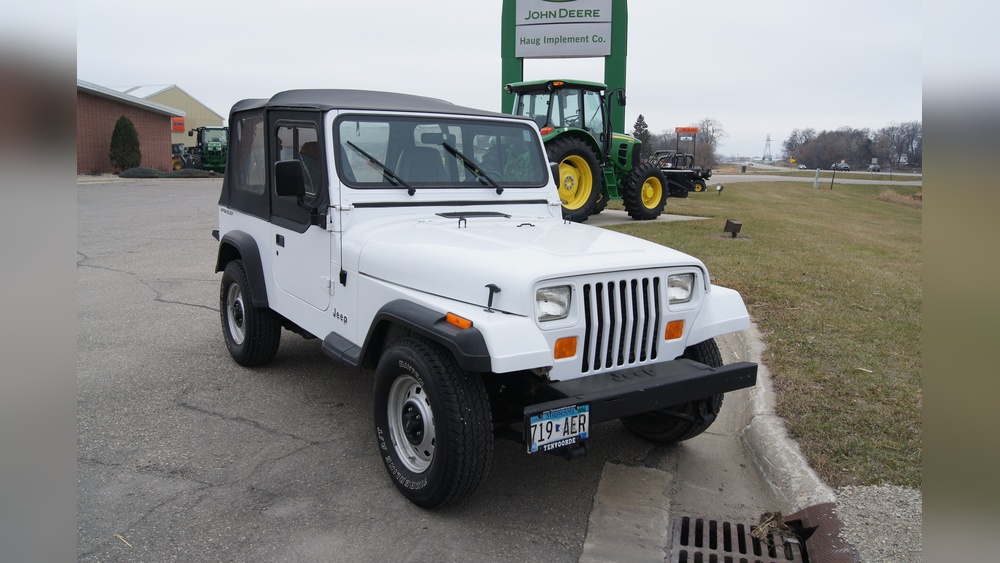
For example, swapping a soft top for a hard top or fitting larger tires can change how your Jeep responds in tight turns or steep slopes.
Official Weight Specifications
The 1994 Jeep Wrangler comes in a few different versions. The two main trims are:
- Wrangler S (Base Model)
- Wrangler SE
Each trim can have different weights based on the engine, transmission, and if it’s hard or soft top. For instance, manual transmissions usually weigh less than automatics, and the size of the engine makes a noticeable difference. The base S model with a 2.
5L engine is lighter, making it more agile for off-roading. In contrast, the SE with a 4.
0L engine and hard top is heavier but offers more power and comfort.
| Model | Engine | Transmission | Curb Weight (lbs) |
|---|---|---|---|
| Wrangler S | 2.5L I4 | Manual | 2,701 |
| Wrangler SE | 4.0L I6 | Manual | 2,956 |
| Wrangler SE (Hard Top) | 4.0L I6 | Automatic | 2,998 |
The curb weight is the weight of the Jeep with all fluids and a full gas tank but no passengers or cargo. This is the standard for comparing vehicles, so always use curb weight rather than gross weight when planning towing or registering your Jeep.

Factors That Affect Weight
Many people think the weight is fixed, but several factors can change it:
- Top type: Hard tops add 70–100 lbs compared to soft tops. This might seem small, but it can affect balance and fuel efficiency.
- Aftermarket accessories: Winches, bumpers, and roof racks can increase weight. Some steel bumpers are much heavier than factory parts, and winches can add up to 40 lbs or more.
- Tire size: Larger off-road tires add extra pounds. If you switch to big mud tires, you may add 60 lbs or more to your Jeep.
- Interior upgrades: Adding sound systems or heavy seats will make it heavier. Even small items like tool kits or upgraded floor mats contribute to total weight.
These changes can affect how your Jeep drives and even its legal weight for towing. For example, a Jeep loaded with camping equipment, extra water, and recovery gear can easily reach or exceed 3,200 lbs, which may strain your trailer or tow vehicle.
Weight Compared To Other Jeep Models
How does the 1994 Jeep Wrangler’s weight compare with other Jeeps? Here’s a quick look:
| Year/Model | Curb Weight (lbs) |
|---|---|
| 1994 Wrangler | 2,701–2,998 |
| 2000 Wrangler | 3,100–3,200 |
| 2010 Wrangler | 3,800–4,100 |
| 2020 Wrangler | 4,100–4,500 |
The 1994 model is lighter than more recent Wranglers. This makes it more nimble off-road but also less comfortable for highway driving.
Newer Wranglers come with more safety features, electronics, and stronger frames, which all add weight. If you want a simple, agile Jeep for trails, the 1994 model offers clear advantages.
Real-life Examples And Practical Advice
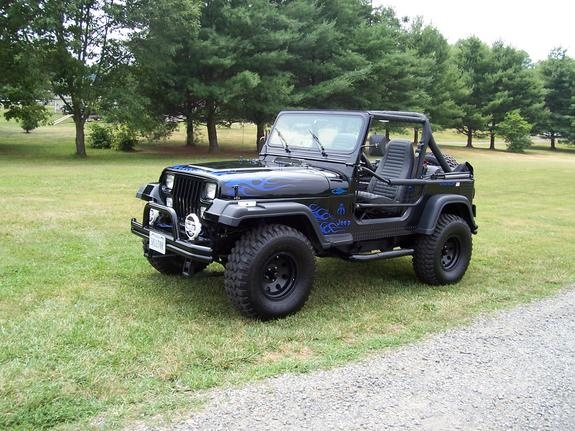
If you’re planning to tow a 1994 Jeep Wrangler, always check your trailer’s capacity. For most base models, a standard car hauler works fine, but extra gear can push the weight higher. For example, adding a hard top, steel bumpers, and off-road tires can add up to 250 lbs, making your Jeep heavier than expected.
When buying a used Wrangler, ask the seller about any modifications. Even simple upgrades can add 200 300 lbs.
Many buyers forget to check, leading to surprises when towing or registering the vehicle. Also, some sellers may not know the exact weight after upgrades, so it’s smart to weigh the Jeep yourself if possible.
For off-road adventures, lighter weight means easier maneuvering. But if you add heavy accessories, you may need to upgrade suspension or brakes.
Heavier Jeeps may need stronger springs and shocks to handle rough terrain. Extra weight can also change how your Jeep climbs hills or handles mud and sand.
A non-obvious tip: Weigh your Jeep at a public scale after making any changes. This helps you stay safe and legal, especially if you plan to tow behind a motorhome. Public scales are usually found at truck stops or recycling centers. Weighing your Jeep gives you a clear idea of how much weight you’re working with, which is important for insurance and registration.
Data Table: Weight With Common Accessories
Here’s how popular upgrades affect the weight of the 1994 Jeep Wrangler.
| Accessory | Added Weight (lbs) | Total Weight (Base Model) |
|---|---|---|
| Hard Top | +90 | 2,791 |
| Steel Bumper | +75 | 2,776 |
| Winch | +40 | 2,741 |
| Off-Road Tires | +60 | 2,761 |
If you combine all accessories, your Jeep could weigh almost 3,000 lbs. This is close to the weight of newer models, so you may need to rethink your plans for towing or modifications.
Even a small change, like switching to steel wheels or adding skid plates, can push your Jeep’s weight above factory specs.
Common Mistakes And Overlooked Details
Many owners underestimate the impact of added weight. Forgetting to account for gear, tools, or even a full passenger load can cause problems.
For example, exceeding weight ratings can lead to brake failure or poor handling. If you travel with four adults and camping gear, the total weight could increase by 600 lbs or more.
Another mistake: Not considering the weight when buying insurance. Some policies require accurate vehicle weight for coverage. If you don’t provide the correct weight, you may face problems if you file a claim.
A beginner’s insight: If you’re restoring a 1994 Jeep Wrangler, remove unnecessary accessories before weighing for registration or sale. This keeps the official weight low and may reduce fees. Also, check state regulations for weight limits, as some places charge extra for heavier vehicles.
Frequently Asked Questions
What Is The Exact Curb Weight Of A 1994 Jeep Wrangler?
The curb weight ranges from 2,701 to 2,998 lbs depending on model, engine, and top type. Always check your own Jeep for upgrades or modifications.
Can I Tow A 1994 Jeep Wrangler With A Standard Car Trailer?
Yes, most standard car trailers can handle the weight. Always check the trailer’s capacity and account for any extra gear or accessories.
For safer towing, balance the Jeep on the trailer and secure it with strong straps.
Does Adding Accessories Affect My Jeep’s Legal Weight?
Absolutely. Items like hard tops, winches, or bumpers can increase weight by several hundred pounds. This can impact towing or registration. Some states require you to update registration if your vehicle weight changes.
How Does The 1994 Wrangler Compare To Newer Models In Terms Of Weight?
It’s lighter than newer Wranglers, which often weigh 4,000 lbs or more. This makes the 1994 model easier to maneuver off-road. However, newer models offer more comfort and safety features.
Where Can I Find Official Weight Specs?
You can check the manufacturer’s site or trusted resources like Edmunds for detailed specifications. These sites offer data for different trims and years, helping you compare models quickly.
If you’re thinking about buying, towing, or modifying a 1994 Jeep Wrangler, knowing its weight is crucial. Always consider the base weight, upgrades, and cargo. Staying informed ensures you get the best performance and safety from your Jeep. By understanding how weight affects every part of your Jeep experience, you can make smarter decisions and avoid common mistakes.