If you are curious about the weight of a 1994 Jeep Cherokee, you are not alone. Many people look for this detail, especially when buying used vehicles, planning repairs, or considering off-road modifications.
The weight affects handling, fuel efficiency, and towing ability. Let’s break down the important facts, compare different models, and answer common questions so you understand exactly how much a 1994 Jeep Cherokee weighs.
What Is The Curb Weight Of A 1994 Jeep Cherokee?
The curb weight means the weight of a car with all standard equipment, fluids, and a full tank of gas, but no passengers or cargo. For the 1994 Jeep Cherokee, this weight depends on the model, engine, and whether it’s 2WD or 4WD.
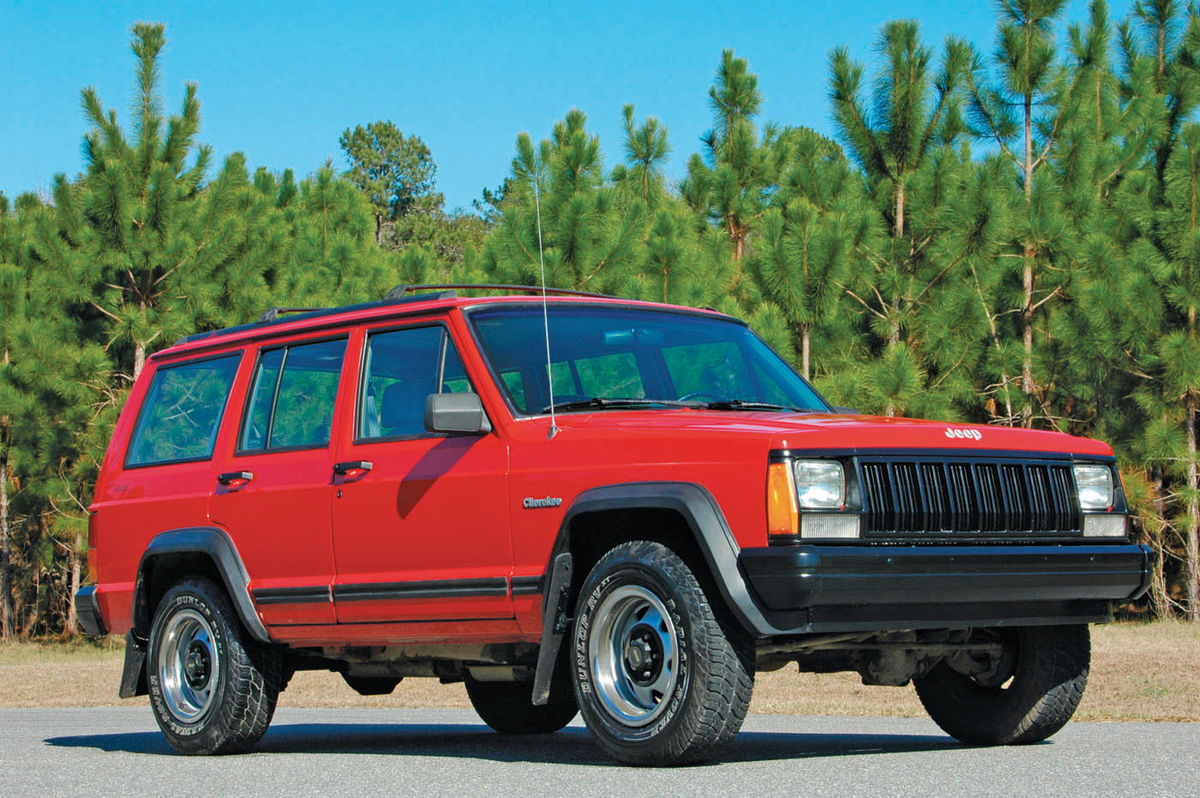
Most 1994 Jeep Cherokees fall in the range of 3,050 to 3,250 pounds (about 1,380 to 1,474 kg). The most common model, the four-door 4WD with the 4.0L engine, weighs closer to 3,200 pounds.
Some factors can shift the curb weight slightly. For example, automatic transmissions tend to add a few more pounds over manual transmissions, and optional features (like air conditioning, larger wheels, or a sunroof) can make the vehicle a bit heavier.
If you’re comparing two Cherokees, even if they look similar, their weights can be different because of these small details.
Model And Engine Weight Differences
The 1994 Jeep Cherokee came in different trim levels and with two main engines: the 2.5L inline-4 and the 4.0L inline-6. It also had two- and four-wheel drive options.
Here is a comparison of curb weights for popular 1994 Jeep Cherokee models:
| Model | Engine | Drivetrain | Curb Weight (lbs) |
|---|---|---|---|
| Base 2-Door | 2.5L I4 | 2WD | 3,050 |
| Base 4-Door | 4.0L I6 | 4WD | 3,200 |
| Country Edition | 4.0L I6 | 4WD | 3,250 |
| Sport 2-Door | 4.0L I6 | 2WD | 3,100 |
Insight: The 4WD models are usually heavier because of extra drivetrain parts. The 4.0L engine adds about 100 pounds compared to the 2.5L engine.
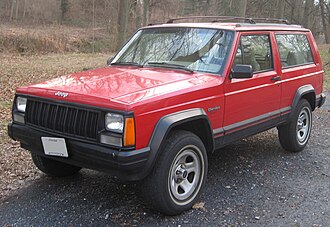
It’s also important to note that two-door Cherokees can be slightly lighter than four-door versions, since a shorter body and fewer features cut down on weight.
This difference may seem small, but it can matter if you’re close to a towing or payload limit.

Why Weight Matters For The 1994 Jeep Cherokee
Understanding the weight helps with:
- Towing: The Cherokee’s weight affects how much it can tow safely.
- Fuel economy: Heavier models use more fuel.
- Off-road capability: Weight impacts traction and stability on rough terrain.
If you plan to add accessories (roof racks, bumpers, winches), remember these will increase your Cherokee’s total weight. Too much extra weight can stress the suspension and brakes.
Weight also plays a role in how the Jeep handles on the road and off-road. A lighter vehicle can be easier to maneuver in city driving or on tight trails.
However, less weight can sometimes mean less grip on loose surfaces like sand or snow.
If you are planning long trips or carrying heavy camping gear, be aware that adding cargo can change how your Jeep feels to drive, especially on hills or uneven ground.
Payload And Gross Vehicle Weight Rating (gvwr)
Besides curb weight, there are other important numbers: payload and GVWR.
- Payload: Maximum weight of passengers and cargo the vehicle can carry.
- GVWR: Total allowed weight (vehicle + passengers + cargo).
For a 1994 Jeep Cherokee:
| Specification | Value (lbs) |
|---|---|
| Payload | 950 – 1,150 |
| GVWR | 4,000 – 4,400 |
If your Cherokee weighs 3,200 pounds curb weight, and the GVWR is 4,400 pounds, you can carry up to 1,200 pounds of people and cargo.
A common mistake is to only look at the payload number, but you should also consider how weight is distributed. Carrying all your load at the back, for example, can affect balance and make the Jeep harder to control, especially during braking.
If you tow a trailer, remember the trailer’s tongue weight (the downward force on the hitch) counts as part of your payload.
Weight Comparison With Other Suvs
How does the 1994 Jeep Cherokee compare to other SUVs from the same era? Here’s a quick look:
| Vehicle | Curb Weight (lbs) |
|---|---|
| 1994 Jeep Cherokee | 3,050 – 3,250 |
| 1994 Ford Explorer | 3,800 |
| 1994 Toyota 4Runner | 3,600 |
| 1994 Chevrolet Blazer | 3,500 |
Non-obvious insight: The Cherokee is lighter than most competitors. This means it feels more nimble and can be easier to drive in tight spaces.
Another thing to consider: a lighter SUV can get better gas mileage compared to heavier rivals. The Cherokee’s lighter weight helped make it popular for both daily use and off-roading. If you plan to use your Jeep on narrow trails or in the city, that weight advantage makes a real difference.
Practical Tips For Owners And Buyers
If you own or want to buy a 1994 Jeep Cherokee, here are a few tips:
- Check your VIN: Vehicle Identification Number can tell you the exact engine and model, which affects weight.
- Look at the driver’s door sticker: This sticker lists the original curb weight and GVWR.
- Consider modifications: Aftermarket parts like steel bumpers or lift kits can add significant weight. Always check how much extra weight your Cherokee can handle.
- Don’t overload: Overloading can cause brake failure, poor handling, and damage to suspension parts.
- Weigh your vehicle: Use a public scale if you are unsure about your Cherokee’s current weight, especially after modifications.
If you’re buying a used Cherokee, ask the seller if any modifications have been done and check if the suspension or tires have been upgraded to handle extra weight.
A well-maintained Cherokee with proper upgrades can handle more weight safely, but a neglected one might have worn-out components that can’t cope with heavy loads.
What Beginners Often Miss About Cherokee Weight
Many new owners don’t realize:
- Weight affects tire choice: Heavier models need stronger tires to avoid blowouts.
- Weight changes with trim: More luxurious trims (like Country Edition) can weigh more due to extra features.
- Insurance and registration: Some states use vehicle weight to calculate fees.
If you plan on towing or off-roading, always know your Cherokee’s weight and limits.
Another point often missed: if you change the size of your tires or wheels, you’re not just adding weight—you’re changing how the suspension and brakes work. Larger, heavier wheels can stress these parts, so consider upgrades if you plan to go bigger. Also, remember that a roof rack with luggage or a rooftop tent adds weight high up, which affects how your Jeep handles turns and side slopes.
Frequently Asked Questions
How Do I Find My 1994 Jeep Cherokee’s Exact Weight?
Check the driver’s door sticker. It shows curb weight and GVWR. If the sticker is missing, use your VIN or consult the official Jeep website.
Does Adding A Lift Kit Increase My Cherokee’s Weight?
Yes, lift kits and larger tires can add 50–100 pounds or more. Always check the total weight after modifications.
Can The 1994 Jeep Cherokee Tow A Trailer?
Most models can tow up to 2,000–5,000 pounds. Check your owner’s manual for the exact towing limit, which depends on the engine and drivetrain.
Is The 1994 Jeep Cherokee Heavier Than Newer Suvs?
No, many newer SUVs are heavier due to more safety features and larger bodies. The 1994 Cherokee is considered light for its class.
Does Vehicle Weight Affect Fuel Economy?
Yes, heavier vehicles burn more fuel. The 2.
5L engine models are lighter and get slightly better gas mileage than the 4. 0L models.
The 1994 Jeep Cherokee remains popular for its light weight, strong engine, and off-road ability. Knowing its weight helps you make smart choices about repairs, modifications, and driving.
If you need more details, always check official sources or use a scale for accuracy.
A little knowledge about vehicle weight can save you money and keep your Jeep running safely for years.


















