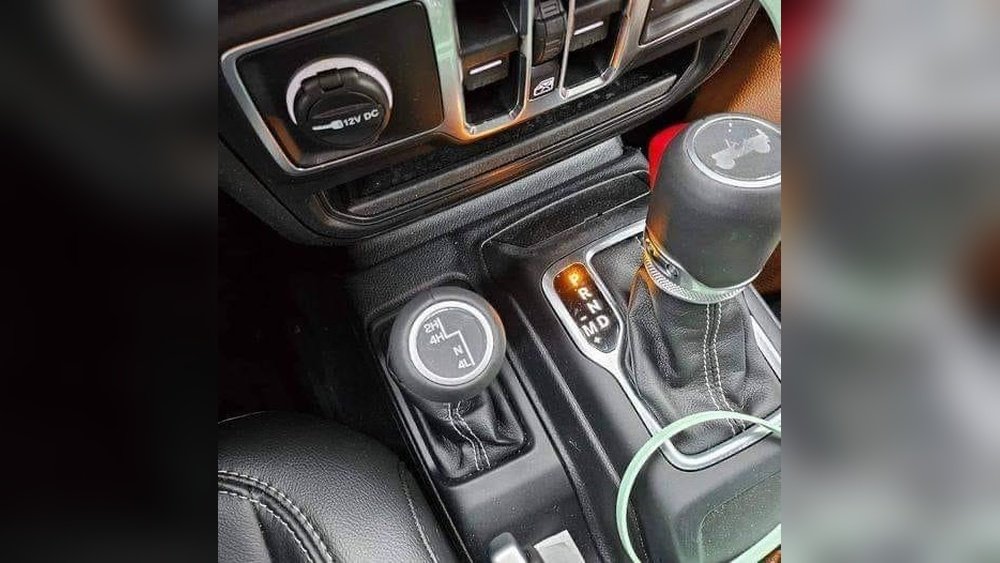
If you own a Jeep Wrangler or plan to buy one, understanding how much coolant it holds is important for engine health and smooth driving. Coolant, also called antifreeze, keeps your engine at the right temperature and prevents overheating.
Many drivers are unsure about the exact coolant capacity and how it changes with model years, engine types, and maintenance needs. This guide clears up confusion and gives you practical advice for keeping your Jeep Wrangler running strong.
Coolant Capacity By Model Year
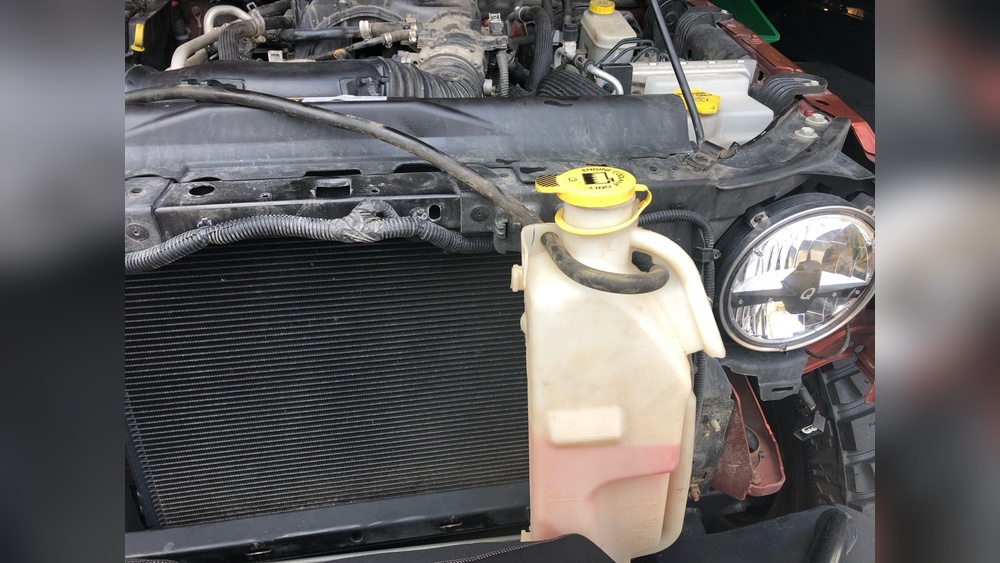
The amount of coolant your Jeep Wrangler holds depends mainly on its model year and engine size. Older models usually hold less, while newer ones with bigger engines need more. Here’s a breakdown of typical capacities:
| Model Year | Engine Type | Coolant Capacity (quarts) | Coolant Capacity (liters) |
|---|---|---|---|
| 1997-2006 (TJ) | 4.0L I6 | 11.2 | 10.6 |
| 2007-2011 (JK) | 3.8L V6 | 13.4 | 12.7 |
| 2012-2018 (JK) | 3.6L V6 | 13.0 | 12.3 |
| 2018-Present (JL) | 2.0L Turbo | 9.0 | 8.5 |
| 2018-Present (JL) | 3.6L V6 | 13.0 | 12.3 |
| 2021-Present (JL) | 4xe Hybrid | 10.5 | 10.0 |
Non-obvious tip: If you’re unsure about your specific model, check your owner’s manual or the radiator label. These sources have the exact capacity for your engine.
Why Coolant Capacity Matters
Knowing the correct coolant capacity helps you:
- Prevent engine overheating on hot days or during off-roading.
- Avoid underfilling or overfilling, which can cause leaks or pressure issues.
- Save money by buying the right amount of coolant—no waste, no shortage.
A Jeep Wrangler’s cooling system uses a mix of water and coolant. The right ratio (usually 50/50) protects against freezing and boiling.
Too little coolant means poor heat transfer, while too much can overflow and harm other parts.
Types Of Coolant For Jeep Wrangler
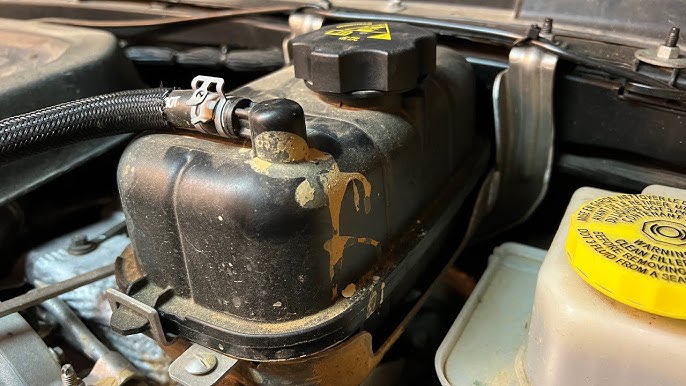
Choosing the correct coolant type is just as important as knowing how much to use. Jeep Wranglers mostly require HOAT (Hybrid Organic Acid Technology) coolant, but newer models may use OAT (Organic Acid Technology).
Here’s a comparison of coolant types you’ll see for Jeep Wranglers:
| Coolant Type | Common Color | Models Used | Change Interval |
|---|---|---|---|
| HOAT | Purple/Orange | 2007-2018 JK | 5 Years/100,000 miles |
| OAT | Pink | 2018-Present JL | 10 Years/150,000 miles |
| Traditional Green | Green | Older TJ (pre-2007) | 2 Years/30,000 miles |
Key insight: Never mix coolant types. Mixing OAT with HOAT or traditional coolant can cause chemical reactions, leading to sludge and radiator damage.
How To Check And Refill Coolant
Keeping the right coolant level is easy if you follow these steps:
- Let your engine cool completely. Opening the radiator cap while hot is dangerous.
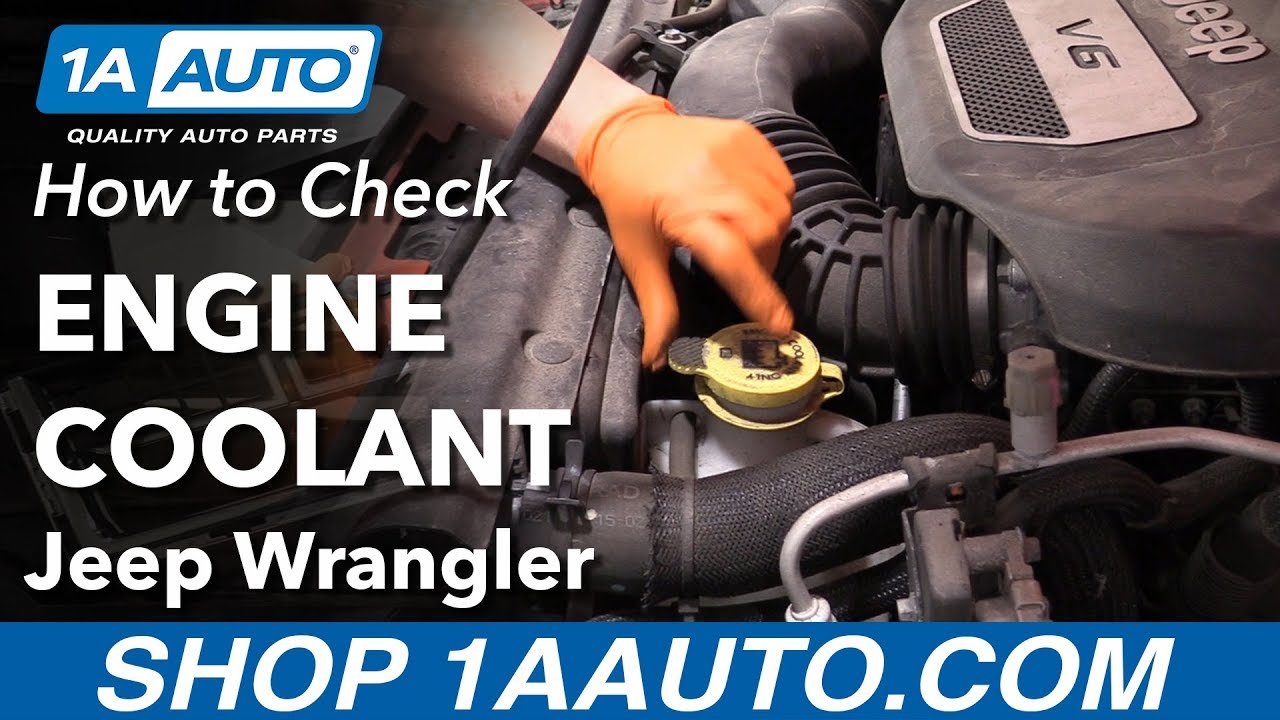
- Locate the coolant reservoir. It’s usually a translucent plastic tank.
- Check the side markings: “Full” and “Low.” The coolant should be at or just below the “Full” line.
- If low, add the correct coolant type. Mix with distilled water if needed (50/50 ratio).
- Run your engine for a few minutes, then check the level again. Top off if needed.
For a full coolant change, drain the old coolant, flush the system with water, and refill with the amount listed for your model. Always use distilled water tap water can cause mineral buildup.
Beginner mistake: Many people forget to check for air pockets. After refilling, squeeze the radiator hose gently to help remove trapped air, which can cause overheating.
Common Coolant Problems In Jeep Wrangler
Even if you use the right amount, problems can still happen:
- Leaks: Look for puddles under your Jeep or a sweet smell.
- Rusty coolant: Old coolant turns brown or rusty, showing corrosion.
- Low coolant warning: Dashboard lights may signal low coolant even if the reservoir looks full—check for sensor issues.
- Overheating: If your Jeep overheats after adding coolant, there may be air in the system or a thermostat problem.
A regular check every few months can prevent most issues. If you find leaks or strange colors, fix them quickly.
Coolant problems often lead to bigger repairs if ignored.
Jeep Wrangler Coolant Change Cost And Frequency
Changing coolant is not expensive but is essential. Most garages charge $70-$120 for a coolant flush.
You should change it every 5 years or 100,000 miles (for HOAT) and every 10 years or 150,000 miles (for OAT). Off-road driving or harsh climates may require more frequent changes.
Here’s a quick comparison of cost and frequency:
| Coolant Type | Change Interval | Service Cost (USD) |
|---|---|---|
| HOAT | 5 Years/100,000 miles | $70-$120 |
| OAT | 10 Years/150,000 miles | $80-$150 |
| Traditional Green | 2 Years/30,000 miles | $60-$100 |
For more details on coolant types and maintenance, check the official Jeep site.
Frequently Asked Questions
How Much Coolant Does A 2020 Jeep Wrangler Jl Hold?
A 2020 Jeep Wrangler JL with a 3.6L V6 engine holds about 13 quarts (12.3 liters) of coolant. The 2.0L turbo engine holds about 9 quarts (8.5 liters).
What Happens If I Overfill The Coolant?
Overfilling can cause pressure buildup, leading to leaks or damage to the radiator and hoses. Always fill to the recommended level marked on the reservoir.
Can I Mix Different Coolant Types In My Jeep Wrangler?
No. Mixing OAT, HOAT, or traditional coolant can cause chemical reactions and damage your cooling system. Always use the type listed in your owner’s manual.
How Often Should I Check My Jeep Wrangler’s Coolant?
Check your coolant at least once a month and before long trips. Also check after heavy off-roading or in extreme weather.
What Signs Show My Jeep Wrangler Needs A Coolant Flush?
Look for rusty coolant, overheating, leaks, or a sweet smell. If your coolant is dirty or brown, it’s time for a flush.
Keeping your Jeep Wrangler’s coolant at the proper level and using the correct type will keep your engine safe and reliable. Regular checks and timely changes help avoid expensive repairs, especially if you drive in tough conditions.
With this information, you’ll feel confident handling your Jeep’s cooling system, whether you’re on city streets or exploring the wilderness.