When you buy a Jeep Compass Trailhawk, you’re getting a compact SUV built for adventure. But if you want to tow something—like a small trailer or a boat—you need to know exactly how much weight this vehicle can handle.
Towing capacity can affect your safety, your car’s performance, and even the life of your engine. In this article, you’ll learn the real-world towing limits of the Jeep Compass Trailhawk, what affects those numbers, and how to tow safely and confidently.
Jeep Compass Trailhawk Towing Capacity
The Jeep Compass Trailhawk is known for its off-road abilities, but it’s not a heavy-duty towing machine. For most recent model years, the official towing capacity is 2,000 pounds when properly equipped with the factory tow package.
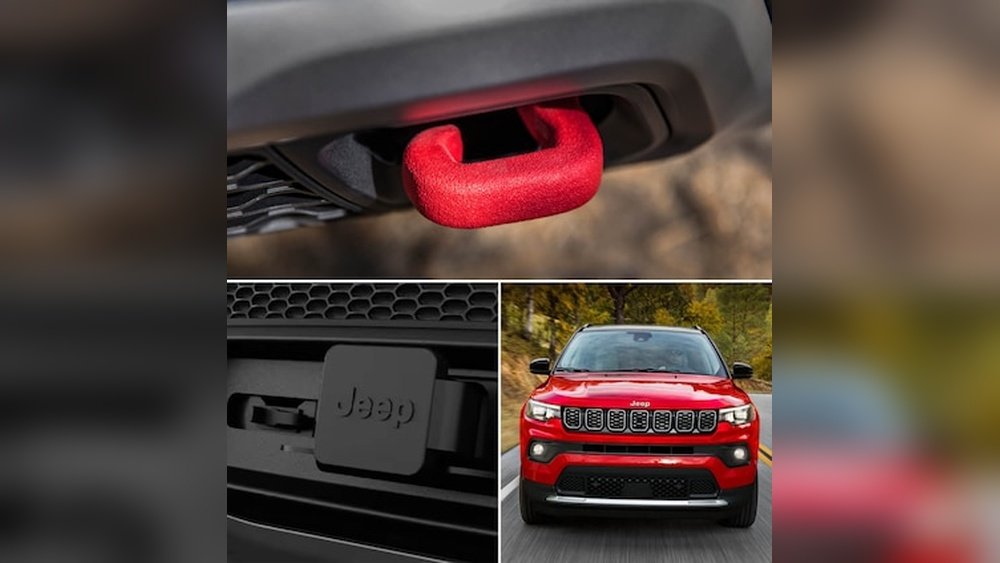
This means the Trailhawk can handle:
- Small utility trailers
- Lightweight pop-up campers
- Jet skis or small fishing boats
But it’s not designed for large RVs or heavy equipment. Always check your owner’s manual for your specific year, as details can change.
Jeep Compass Trailhawk Towing Capacity By Model Year
Here’s how the towing capacity compares across recent years:
| Model Year | Towing Capacity (lbs) | Engine |
|---|---|---|
| 2024 | 2,000 | 2.0L Turbo I4 |
| 2023 | 2,000 | 2.0L Turbo I4 |
| 2022 | 2,000 | 2.4L Tigershark I4 |
| 2021 | 2,000 | 2.4L Tigershark I4 |
The engine type changed in 2023, but the towing capacity remained the same. This shows Jeep’s focus on off-road performance over raw towing power.
What Factors Affect Towing Capacity?
The towing limit isn’t just about the engine. Several things can raise or lower how much your Trailhawk can pull:
- Tow Package: Only Trailhawks with the factory tow package get the full 2,000 lbs. Without it, capacity drops.
- Passenger and Cargo Weight: More people or gear inside the vehicle means you must tow less.
- Hitch Quality: Use a hitch rated for the weight you plan to tow.
- Trailer Brakes: Heavier trailers should have their own brakes for safety.
- Tire Pressure: Underinflated tires can make towing dangerous.
- Altitude and Weather: Towing in high mountains or extreme heat can strain your engine and transmission.
Many new owners forget that the maximum towing number is under ideal conditions. Real-life towing—especially with a loaded SUV—may need you to tow less for safety.
What Can You Tow With A Jeep Compass Trailhawk?
A 2,000-pound capacity gives you some good options, but also some limits. Here are examples of what you can and can’t tow:
| Item | Approximate Weight (lbs) | Trailhawk Capable? |
|---|---|---|
| Small utility trailer (empty) | 1,000 | Yes |
| Pop-up camper | 1,500 | Yes |
| Single jet ski on trailer | 1,200 | Yes |
| Two ATVs on trailer | 2,100 | No |
| Medium-size boat | 2,500 | No |
If you’re close to the limit, it’s smarter to stay under this reduces wear and keeps your trip safe.
Safe Towing Tips For Your Jeep Compass Trailhawk
Towing might look simple, but there are some best practices that many beginners miss:
- Distribute Weight Evenly: Load your trailer so about 60% of the weight is in front of the axle. This helps prevent swaying.
- Check Your Lights: Make sure all trailer lights work before driving.
- Use Tow/Haul Mode: If your Trailhawk has this feature, use it to help with shifting and braking.
- Drive Slower: Towing adds weight. Give yourself extra stopping distance.
- Practice Backing Up: Reversing with a trailer takes practice—do it in an empty lot before your first trip.
One detail many new owners overlook: the effect of tongue weight (the downward force the trailer puts on the hitch). The Jeep Compass Trailhawk can handle about 200 pounds of tongue weight, which is 10% of the total towing capacity. Exceeding this can damage your suspension or hitch.
Towing Vs. Payload: What’s The Difference?
Towing capacity and payload are often confused. Payload is everything your Jeep can carry inside—people, cargo, pets. Towing is what you can pull behind. If your Trailhawk is loaded with passengers and luggage, you need to subtract that weight from your towing total.
Here’s a quick comparison:
| Feature | Jeep Compass Trailhawk |
|---|---|
| Max Towing Capacity | 2,000 lbs |
| Max Payload | 1,000 lbs (approximate) |
If you max out the payload, you should tow less than 2,000 lbs.
What Happens If You Exceed The Limit?
Towing more than 2,000 pounds can cause:
- Overheated engine or transmission
- Difficulty stopping, even at low speeds
- Damage to the hitch or frame
- Voided warranty
If you need to tow more, you’ll need a larger SUV or truck. The Trailhawk is not designed for heavy-duty jobs.
Real-world Examples
Many owners use their Trailhawk for camping trips, pulling small trailers or carrying bikes. For example, a lightweight pop-up camper (about 1,200 lbs) plus some camping gear is a perfect match.
You’ll notice the car works harder, but it remains stable and safe if you stay under the limit.
Another common use is towing a small boat. Just remember to include the trailer’s weight, not just the boat itself.
Frequently Asked Questions
What Is The Jeep Compass Trailhawk’s Towing Capacity?
The official towing capacity is 2,000 pounds for recent model years when properly equipped with the tow package.
Can I Tow A Camper With A Jeep Compass Trailhawk?
Yes, but only small campers like pop-ups or teardrop trailers that weigh under 2,000 lbs. Always check the total weight including gear.
Does Towing Affect Fuel Economy?
Yes, towing will lower your fuel economy. Expect a drop of 2–5 mpg, depending on trailer weight and driving conditions.
Do I Need A Special License To Tow With A Trailhawk?
For weights under 2,000 lbs, most US states do not require a special license. Always check your local laws to be sure.
Where Can I Find More Official Jeep Towing Information?
Check the owner’s manual or visit the official Jeep website for the latest specifications and guidelines.
The Jeep Compass Trailhawk is a great SUV for light towing, outdoor activities, and weekend adventures. Always stay within the recommended limits, use safe towing practices, and you’ll enjoy many worry-free miles.
If you need to haul heavier loads, consider a different vehicle built for that job.