If you drive a Jeep Renegade, you know how important good tires are for both safety and performance. But when it’s time for replacements, you might wonder: how much are tires for a Jeep Renegade? The answer depends on several factors, including tire size, brand, and where you buy them. This guide will help you understand the costs, what affects the price, and how to choose the right tires for your Renegade.
Typical Tire Prices For Jeep Renegade
Most Jeep Renegade models use 16-inch, 17-inch, or 18-inch tires, depending on the trim and year. Here’s a clear look at the average prices you can expect:
| Tire Size | Price Range (Per Tire) | Popular Brands |
|---|---|---|
| 16-inch | $95 – $160 | Michelin, Goodyear, Continental |
| 17-inch | $110 – $200 | Bridgestone, Pirelli, Yokohama |
| 18-inch | $130 – $240 | Falken, Hankook, Firestone |
The average cost for a full set of four tires is usually between $400 and $900, depending on your choices. These figures do not include mounting, balancing, or additional services.
What Impacts The Cost Of Jeep Renegade Tires?
Several factors change the price you pay:
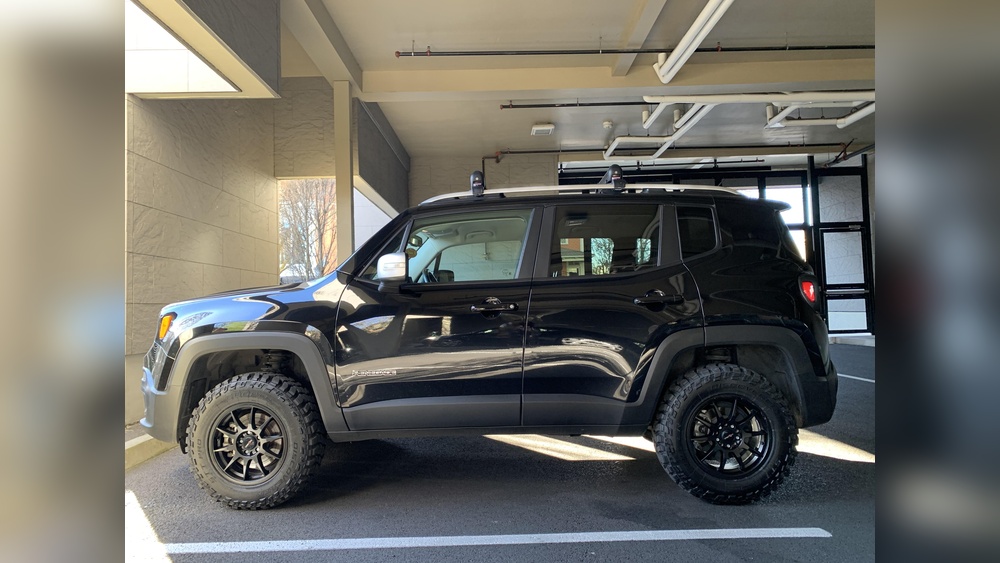
- Tire Size: Larger tires cost more. Upgrading from a 16-inch to an 18-inch tire can add $100 or more per set.
- Brand: Premium brands like Michelin or Pirelli are more expensive but offer better warranty and performance.
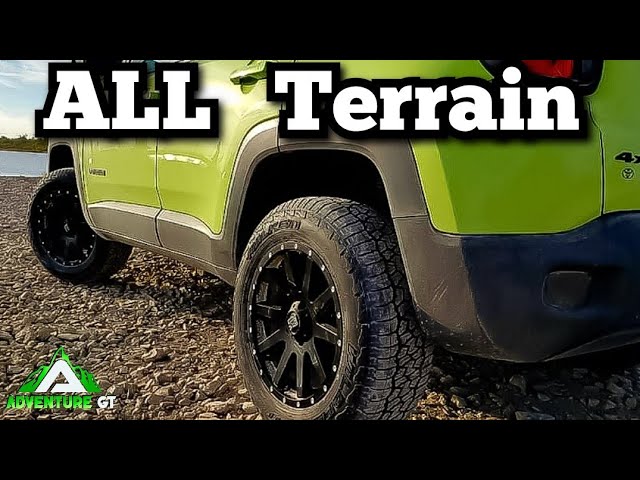
- Tire Type: All-season tires are common and affordable. All-terrain or off-road tires, popular for adventurous drivers, are pricier.
- Speed and Load Rating: Higher ratings mean better performance but also higher prices.
- Place of Purchase: Tire shops, dealerships, and online retailers all set different prices. Local shops may offer discounts or packages.
Comparing Popular Tire Brands For Jeep Renegade
It’s smart to compare brands before buying. Here’s how some popular choices stack up for a 17-inch all-season tire:
| Brand | Model | Price (Each) | Warranty (Miles) |
|---|---|---|---|
| Michelin | Defender T+H | $190 | 80,000 |
| Goodyear | Assurance MaxLife | $175 | 85,000 |
| Falken | Wildpeak A/T Trail | $165 | 65,000 |
| Yokohama | Geolandar G055 | $155 | 70,000 |
If you mostly drive in the city, a touring or all-season tire is a good, affordable choice. But if you plan to go off-road or face harsh weather, consider a specialized tire even if it costs more.
Extra Costs To Consider
Buying new tires is not the only expense. Here are common extra costs:
- Mounting and Balancing: $15–$35 per tire.
- Tire Disposal Fees: $2–$5 per tire.
- TPMS (Tire Pressure Monitoring System) service: $5–$20 per tire.
- Wheel Alignment: $80–$120 (recommended with new tires).
These services are important for safety and to extend tire life. Skipping alignment, for example, can cause uneven tire wear and force you to replace tires sooner.
How To Choose The Right Tires For Your Jeep Renegade
To get the best value, consider these tips:
- Check your owner’s manual for recommended tire sizes and ratings.
- Think about your driving style. City drivers can use all-season tires. If you drive in snow or on rough roads, look for tires with better grip.
- Balance price and quality. Cheap tires can be tempting, but mid-range brands often last longer and save money over time.
- Look for promotions or rebates from tire makers or local shops.
- Consider warranty length. A longer treadwear warranty often means better value.
A non-obvious tip: some Jeep Renegade owners find that tires with a slightly higher load rating give a smoother ride, especially if you carry heavy cargo often. Also, changing all four tires at once is usually safer, even if only two are worn, because it keeps the handling balanced.
Where To Buy Jeep Renegade Tires
You have several options:
- Dealerships: More expensive but good for genuine parts and expert service.
- Local tire shops: Often have good deals and personalized service.
- Online retailers: Websites like Tire Rack or Discount Tire offer wide selections and ship directly to installers.
Buying online can save money, but make sure your installer will accept shipped tires. Always check reviews and ratings before choosing a brand or shop.
Ways To Save Money On Jeep Renegade Tires
- Shop during sales events (like Black Friday or year-end).
- Look for mail-in rebates from tire companies.
- Compare installation costs—some places include it in the tire price.
- Rotate your tires regularly (every 6,000–8,000 miles) to extend their life.
If you have a tight budget, you can mix brands as long as the tires are the same size and type. But it’s best to keep all four tires the same for even performance.
Frequently Asked Questions
How Often Should I Replace Jeep Renegade Tires?
Most drivers should replace their tires every 40,000 to 60,000 miles. But check tread depth regularly. Replace tires if the tread is below 2/32 of an inch, or if you see cracks, bulges, or uneven wear.
Can I Use Off-road Tires On My Jeep Renegade?
Yes, you can use all-terrain or off-road tires if you drive on rough roads or trails. However, these tires are louder and may reduce fuel efficiency. Make sure the size matches your Renegade’s specs.
Are Cheap Tires Safe For My Jeep Renegade?
Some budget tires are safe, but they may not last as long or stop as quickly in emergencies. It’s best to choose reputable brands that meet safety standards. Spending a little more can mean better performance and longer life.
How Do I Find The Right Tire Size For My Renegade?
Look on the sidewall of your current tires or check the sticker inside the driver’s door. Common sizes for the Renegade are 215/65R16, 215/60R17, and 225/55R18. Always match the recommended size for best safety and performance.
Where Can I Learn More About Tire Safety And Ratings?
The National Highway Traffic Safety Administration (NHTSA) offers detailed tire safety information and ratings. You can visit their official site at NHTSA.
Replacing tires on a Jeep Renegade can feel overwhelming, but knowing your options and the real costs helps you make a smart choice. Take time to compare prices, consider your driving needs, and invest in quality.
Good tires keep you safe and help your Renegade perform at its best, no matter where your journey leads.