When you drive a Jeep, you expect it to handle rough roads, hills, and even off-road trails. But over time, those adventures can wear out your shocks.
If your Jeep feels bouncy, noisy, or unstable, it’s time to think about replacing them. But how much are shocks for a Jeep?
The answer depends on several factors like the Jeep model, the type of shocks, and where you buy them. Let’s break down the real costs, common mistakes, and what to look for when shopping for new shocks.
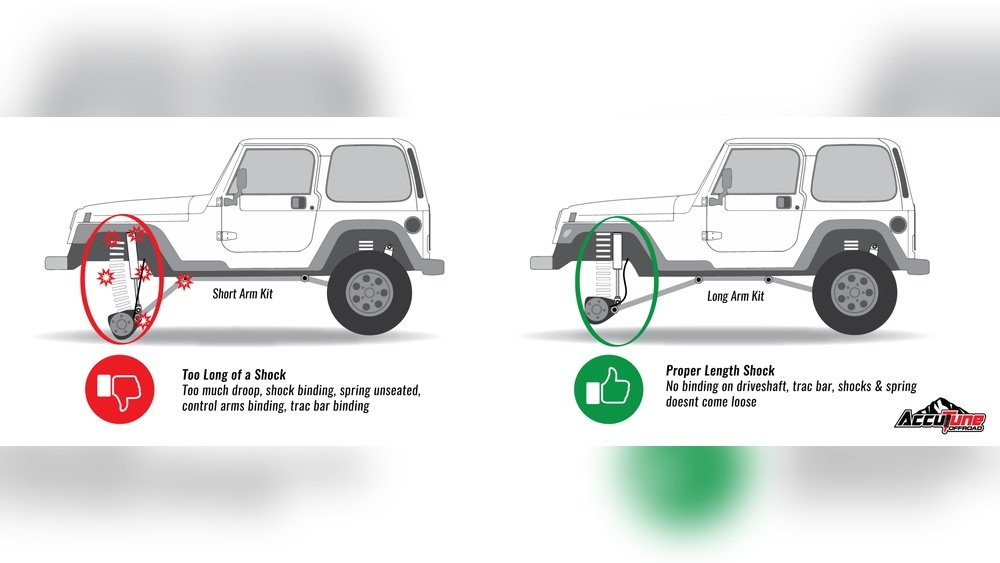
What Are Shocks And Why Do They Matter?
Shocks, or shock absorbers, are vital parts of your Jeep’s suspension. They control the up-and-down motion of your wheels, keeping your ride smooth and your tires on the road. Without good shocks, your Jeep becomes hard to control, especially on rough terrain.
Many people confuse shocks with struts. While similar, struts are structural parts of the suspension; shocks are mainly for absorbing bumps. Most Jeeps, especially Wranglers and Cherokees, use shocks rather than struts.
Average Cost Of Jeep Shocks
Prices for Jeep shocks can vary a lot. Here’s a quick look at what you might pay for different Jeep models and types of shocks:
| Jeep Model | Standard Shock (Each) | Performance Shock (Each) |
|---|---|---|
| Wrangler JK | $40–$100 | $120–$300 |
| Grand Cherokee | $50–$120 | $150–$350 |
| Cherokee XJ | $35–$90 | $100–$220 |
| Gladiator JT | $60–$130 | $180–$400 |
For a full set of four shocks, expect to pay anywhere from $160 to over $1,000 depending on the parts you choose.
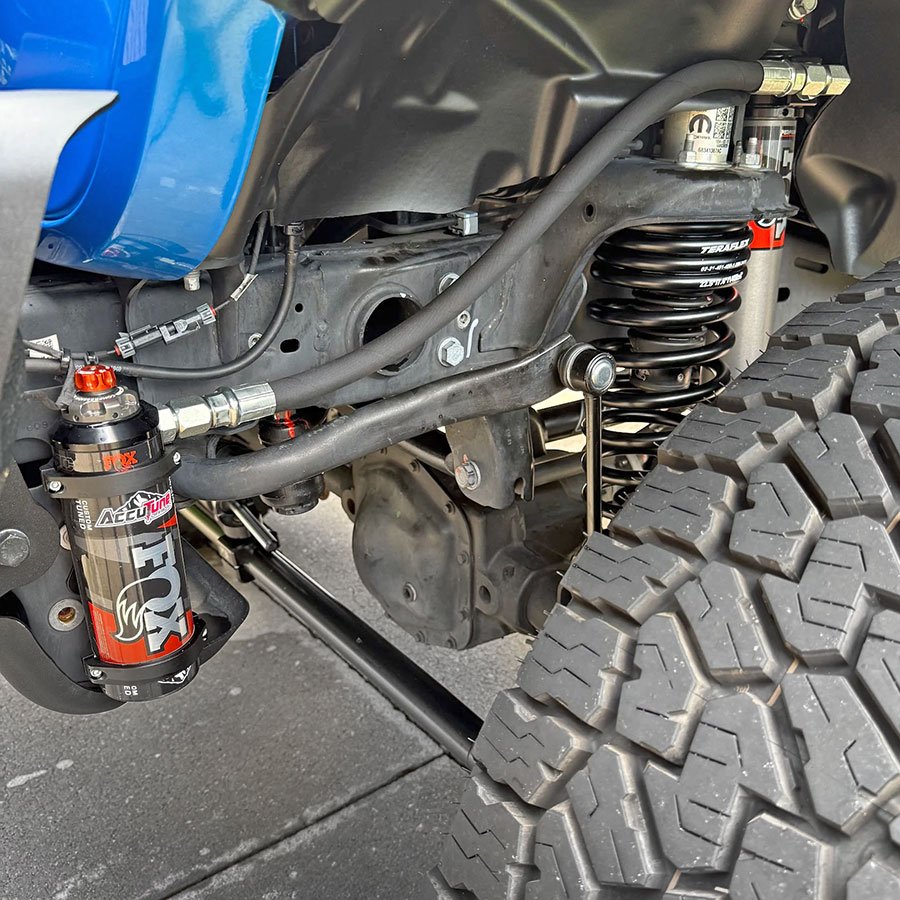
Different Types Of Jeep Shocks
There are several types of shocks available for Jeeps. Each has its own price range and performance level:
- Twin-tube shocks – Most affordable, good for daily driving.
- Monotube shocks – Better performance, more expensive.
- Gas-charged shocks – Offer improved control, cost varies.
- Reservoir shocks – Highest performance, expensive, for serious off-road use.
Here’s a quick comparison of the main types:
| Type | Price Range (Each) | Best For |
|---|---|---|
| Twin-tube | $40–$90 | Daily driving |
| Monotube | $70–$180 | On/off-road mix |
| Reservoir | $200–$400 | Heavy off-road |
Labor Costs: Diy Vs. Professional Installation
You can save money by replacing shocks yourself. Still, not everyone has the tools or experience. Here’s what you can expect for labor costs:
- DIY replacement: You’ll only pay for the parts. The job usually takes 1-2 hours.
- Professional shop: Labor costs are usually $100–$200 per axle (front or rear), plus the price of the shocks.
If your Jeep has rust or custom suspension, labor could cost more.
Factors That Affect Shock Prices
Several details change the total cost:
- Model and year: Newer or rare Jeeps often have pricier parts.
- Brand: Popular brands like Bilstein, Fox, and Rancho cost more.
- Lift kits or modifications: Aftermarket suspension usually means more expensive shocks.
- Buying in sets: Some brands offer 4-shock kits at a discount.
Don’t forget shipping fees if you order online. Some shops offer free installation if you buy from them.
What To Consider When Choosing Shocks
Choosing shocks isn’t just about price. Think about these factors:
- Driving style: Daily driving needs less expensive shocks than off-roading.
- Load: Carrying heavy loads or towing means you need tougher shocks.
- Warranty: Some brands offer lifetime warranties, which can save money later.
- Ride quality: Premium shocks often give a smoother, quieter ride.
A common mistake is buying the cheapest shocks without checking if they fit your Jeep’s lift or tire size. Always check compatibility before buying.
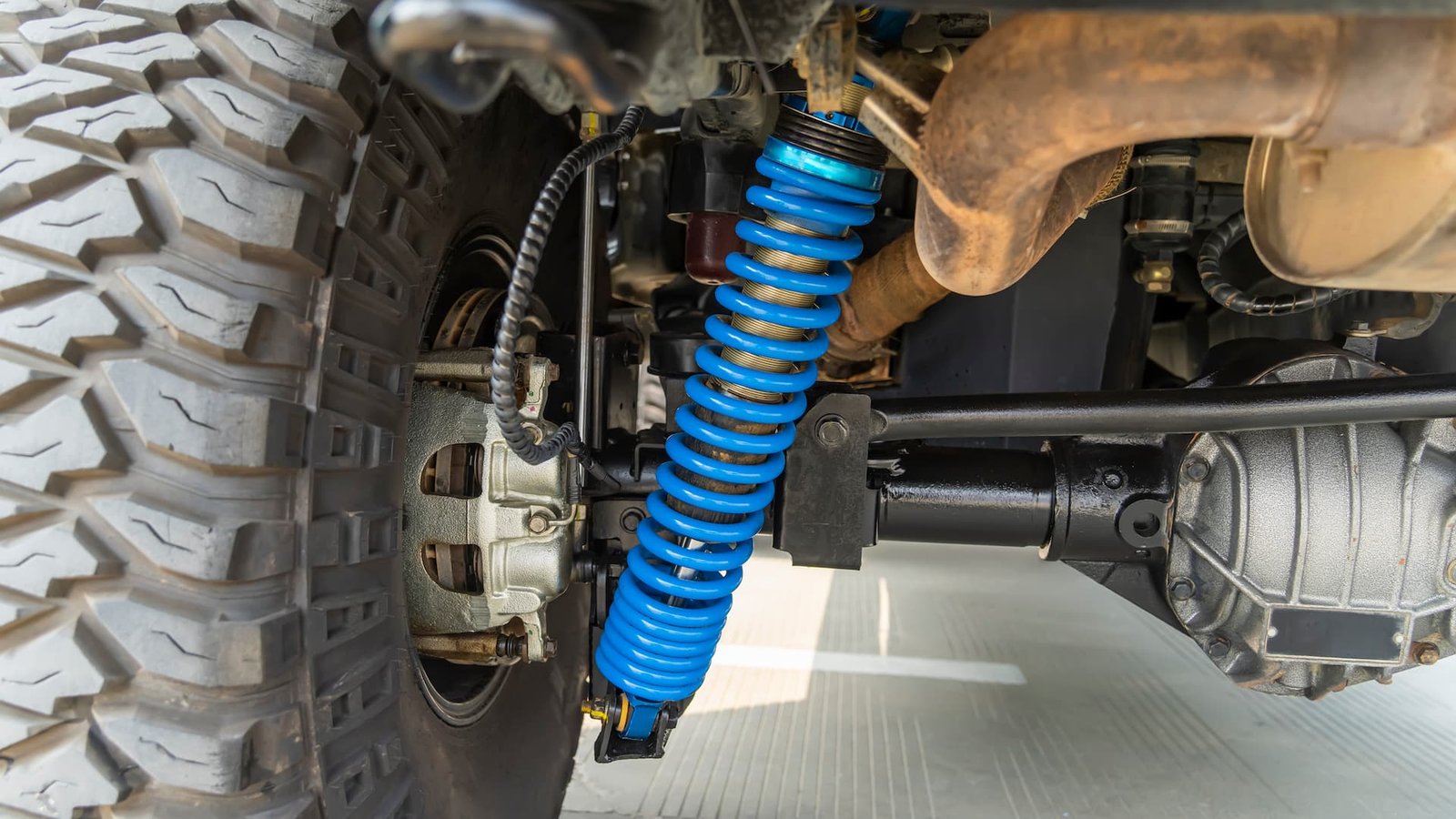
How To Know When To Replace Shocks
Shocks wear out slowly. Here are signs yours may be bad:
- Bouncy ride
- Uneven tire wear
- Longer stopping distances
- Leaking oil on the shock body
- Knocking noises over bumps
If you notice these, inspect your shocks soon. Driving with worn shocks can damage other parts and reduce safety.
Real-world Examples
Let’s look at a couple of examples:
- Stock Jeep Wrangler: Owner buys four basic twin-tube shocks for $70 each. Total parts: $280. Pays a shop $180 for labor. Total: $460.
- Lifted Grand Cherokee: Owner chooses premium monotube shocks at $200 each. Total parts: $800. Installs them at home, saving on labor.
Prices can change if you shop around or find discounts. For more details, see this Consumer Reports guide.
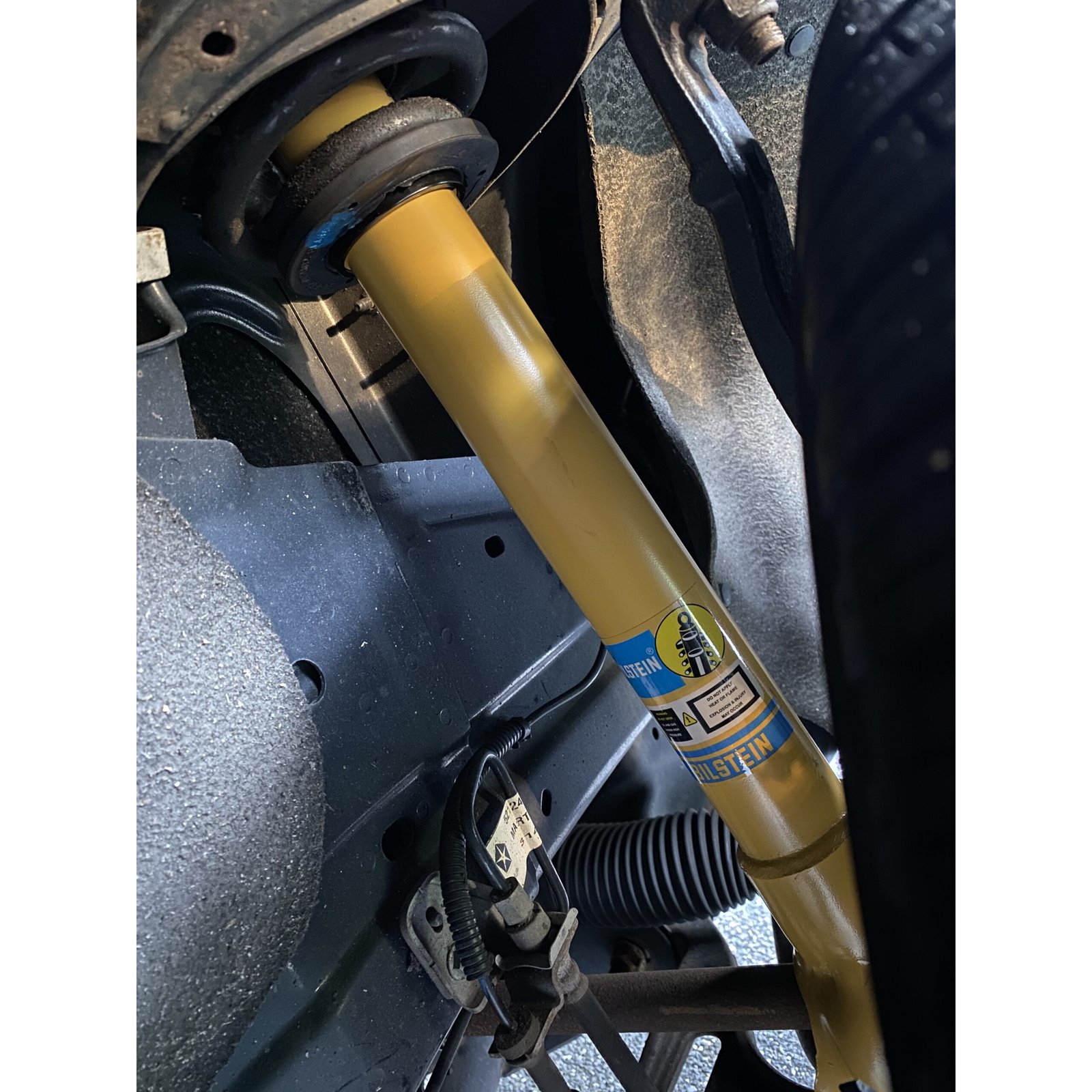
Many Jeep owners forget about alignment after changing shocks. While not always needed, it’s smart to check your alignment, especially if you also change springs or other suspension parts. Ignoring this can lead to poor handling and extra tire wear.
Another overlooked cost: tools and supplies. If you do the job yourself, you may need a jack, stands, and penetrating oil for rusty bolts. These small expenses add up.
Frequently Asked Questions
How Long Do Jeep Shocks Last?
Most Jeep shocks last 50,000 to 100,000 miles. Heavy off-road use or rough roads can wear them out faster. Always check your shocks during regular maintenance.
Can I Replace Only Two Shocks Instead Of All Four?
It’s possible, but best practice is to replace shocks in pairs (front or rear) to keep handling balanced. Replacing all four gives the best ride and safety.
Are Expensive Shocks Always Better For My Jeep?
Not always. High-end shocks offer better performance, but for daily driving, mid-range models are usually enough. Choose based on your driving needs, not just price.
Do I Need A Mechanic To Install Jeep Shocks?
If you’re handy and have tools, you can install shocks at home. However, some models need special tools. If unsure, use a professional to avoid mistakes.
Will New Shocks Improve My Jeep’s Ride Quality?
Yes, new shocks can make your Jeep smoother, quieter, and more stable. Worn shocks reduce comfort and control, especially over bumps or rough roads.
Replacing shocks on your Jeep is an investment in safety and comfort. With the right information, you can choose the best option for your needs and budget. Take time to compare, check fitment, and don’t ignore the small costs that can surprise you.