If you drive a Jeep Cherokee, you know regular maintenance is key for a long-lasting engine. One important part of this is your antifreeze—also called coolant.
But how much antifreeze does a Jeep Cherokee actually hold? This is a simple question, yet the answer depends on your Cherokee’s year, engine type, and a few other details.
Let’s break it down so you get exactly what you need, with no confusion.
Why Antifreeze Capacity Matters
The right coolant level keeps your engine at a safe temperature. Too little antifreeze can cause overheating, engine damage, or even a breakdown. Too much can lead to leaks or pressure problems. Getting the quantity right also helps your heater work well in winter and prevents corrosion in the radiator.
Typical Antifreeze Capacity By Jeep Cherokee Model
The Jeep Cherokee has changed a lot since its early days. The coolant system size varies between models and years. Here’s a quick look at the most common generations:
| Model Year | Engine | Antifreeze Capacity (quarts) | Antifreeze Capacity (liters) |
|---|---|---|---|
| 1984-2001 (XJ) | 4.0L I6 | 12.0 | 11.4 |
| 2014-2021 (KL) | 2.4L I4 | 8.9 | 8.4 |
| 2014-2021 (KL) | 3.2L V6 | 9.5 | 9.0 |
| 2019-2023 (KL) | 2.0L Turbo I4 | 9.0 | 8.5 |
These numbers are for a full system fill, including the radiator, hoses, and overflow tank. Always check your owner’s manual to confirm for your specific year and engine.
How To Check Your Jeep Cherokee’s Antifreeze Level
Checking your coolant level is simple and takes just a few minutes. Here’s how to do it safely:
- Let the engine cool: Never open the radiator cap when the engine is hot.
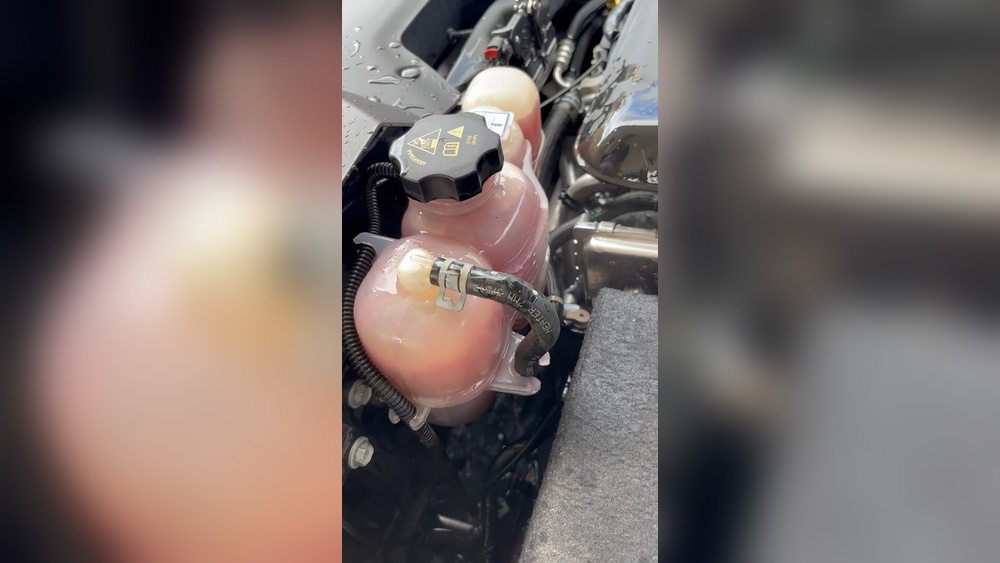
- Find the reservoir: It’s a translucent plastic tank near the radiator.
- Check the markings: Look for “MIN” and “MAX” lines on the side.
- Fill if needed: If it’s below “MIN,” add a 50/50 mix of antifreeze and distilled water.
For most Cherokees, the reservoir holds about 1 quart. The rest of the system holds the majority of coolant.
Which Antifreeze Type Should You Use?
Not all coolants are the same. Using the wrong type can damage your engine or cooling system. Here’s a quick guide:
| Model Year | Recommended Antifreeze Type | Color |
|---|---|---|
| 1984-2001 | HOAT or IAT | Green/Orange |
| 2002-2012 | HOAT (G-05) | Orange/Yellow |
| 2013-present | OAT (Mopar 10 Year/150,000 Mile) | Purple |
HOAT stands for Hybrid Organic Acid Technology, and OAT for Organic Acid Technology. Always use the type your manual recommends.
Step-by-step: Refilling Antifreeze In A Jeep Cherokee
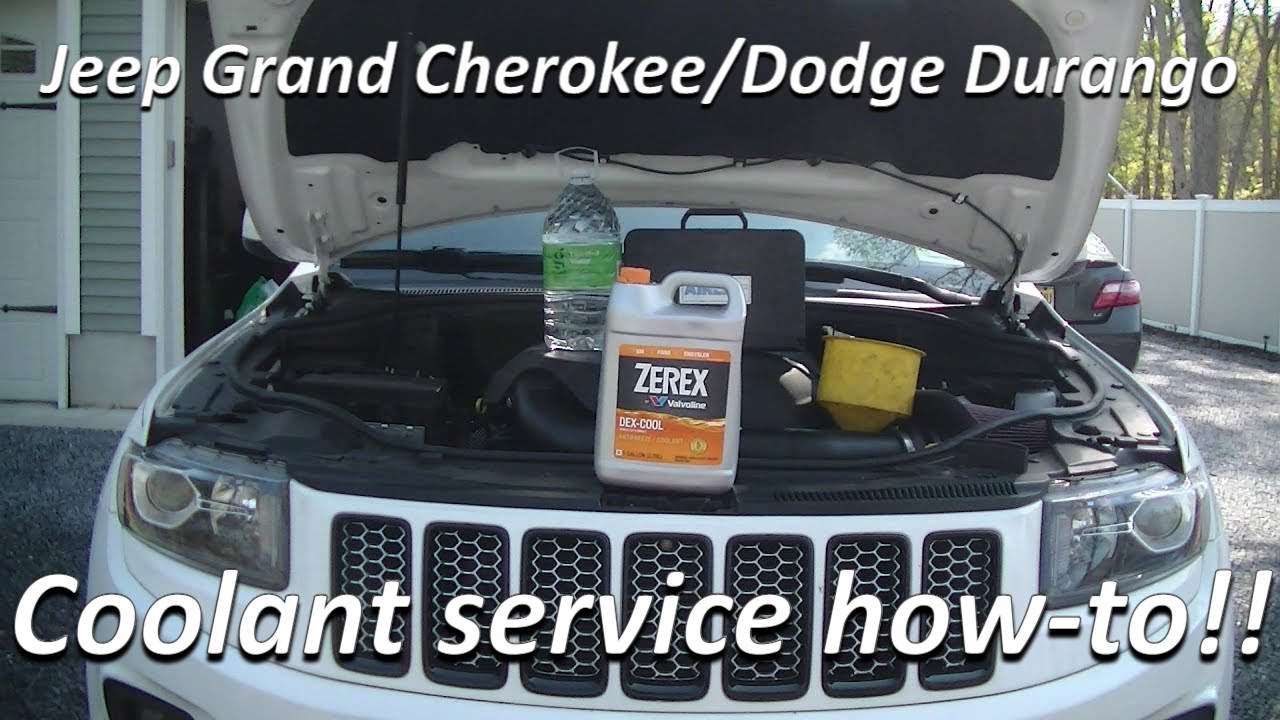
If you’re doing a full coolant change, follow these steps:
- Wait for engine to cool: Safety first.
- Drain old coolant: Open the radiator drain valve and collect the old fluid.
- Flush system (optional): Run water through to remove old coolant and debris.
- Close drain and fill: Pour in the new antifreeze mix slowly.
- Run engine with heater on: This removes air bubbles.
- Top off as needed: Recheck levels after the engine cools again.
Many people forget to turn the heater on high when refilling. This helps coolant flow through the heater core, avoiding air pockets.
How Much Antifreeze Will You Actually Use?
You probably won’t get every drop out when draining, so you may use a little less than the full capacity. For a standard flush and refill:
- If you just top off, you’ll need about 1 quart (1 liter).
- If you fully drain and flush, plan for the listed system capacity (8.5–12 quarts).
- Always mix 50/50 unless using pre-mixed coolant.
Some shops use a vacuum fill tool to remove all air. If you don’t have this, check the reservoir after driving a few miles and top off if needed.
Common Mistakes To Avoid
Many drivers make small errors when dealing with antifreeze. Here’s what to watch out for:
- Mixing different coolant types (can cause gelling or sludge)
- Using tap water (minerals can damage the radiator)
- Overfilling (can cause leaks)
- Not bleeding air from the system (leads to overheating)
- Ignoring leaks (can lead to major engine damage)
Always use distilled water if mixing your own antifreeze.
When To Replace Antifreeze
Changing your coolant every 5 years or 100,000 miles is a good rule for most modern Cherokees. Older models may need it every 2-3 years. Fresh coolant protects better, prevents rust, and keeps your system healthy.

Real-world Example: 2016 Jeep Cherokee
Let’s say you own a 2016 Jeep Cherokee with a 3.2L V6 engine. The system holds about 9.5 quarts (9.0 liters). You’ll want to use OAT purple coolant, mix it 50/50 with distilled water, and bleed air from the system after refilling. If you only do a radiator drain, expect to use 6-7 quarts.
Where To Find Official Information
The best way to be sure about your Cherokee’s coolant needs is your owner’s manual. You can also check the radiator cap or a sticker near the engine bay. For detailed specs, the Jeep official website and trusted resources like NHTSA can help.

Frequently Asked Questions
How Often Should I Check My Jeep Cherokee’s Coolant?
Check your coolant once a month or before long trips. Low levels can mean a leak or other problems.
Can I Use Any Brand Of Antifreeze In My Cherokee?
Use only approved brands that match your Jeep’s coolant type (OAT, HOAT, or IAT). Mixing brands or types can cause system problems.
What Happens If I Overfill The Antifreeze?
Overfilling can cause pressure buildup, leading to leaks or damage. Always fill to the “MAX” line—never above.
How Do I Know If I Have An Air Pocket In My Coolant System?
If your heater blows cold air or the engine overheats, you may have an air pocket. Bleed the system or see a mechanic if this happens.
Is It Safe To Drive With Low Antifreeze?
No. Low antifreeze can quickly overheat your engine, causing expensive damage. Always top up before driving if the level is low.
Caring for your Jeep Cherokee’s cooling system is simple but important. With the right antifreeze amount and type, you’ll keep your engine running smoothly for years to come.