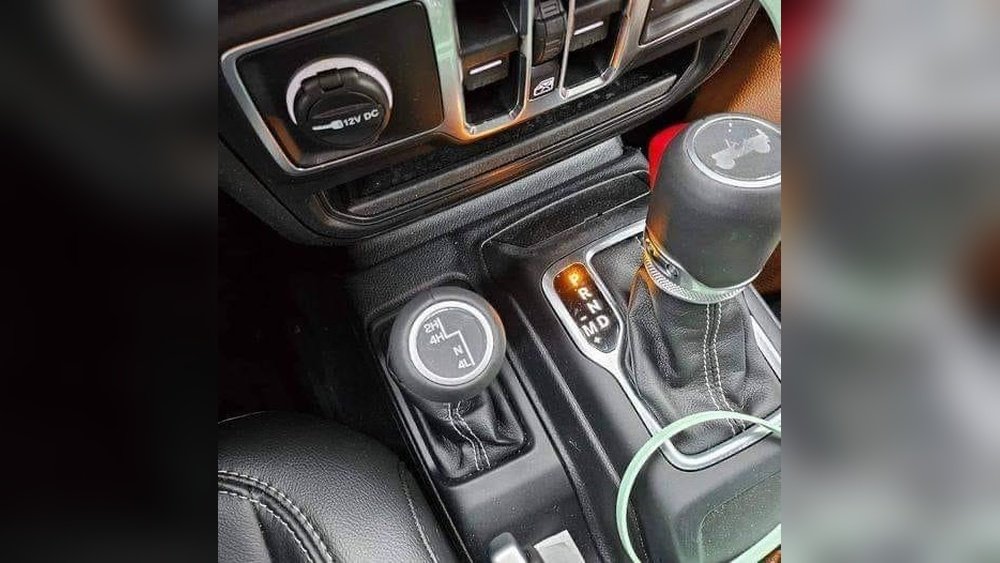
The Jeep Gladiator is famous for mixing rugged capability with unique features. One area where it stands out is its audio system.
If you’re wondering how many speakers are in a Jeep Gladiator, you’re not alone. Many buyers and Jeep fans want to know about the sound experience inside this midsize pickup.
Let’s break down the speaker setup, options, and how it compares to other vehicles.
Standard Speaker Setup In The Jeep Gladiator
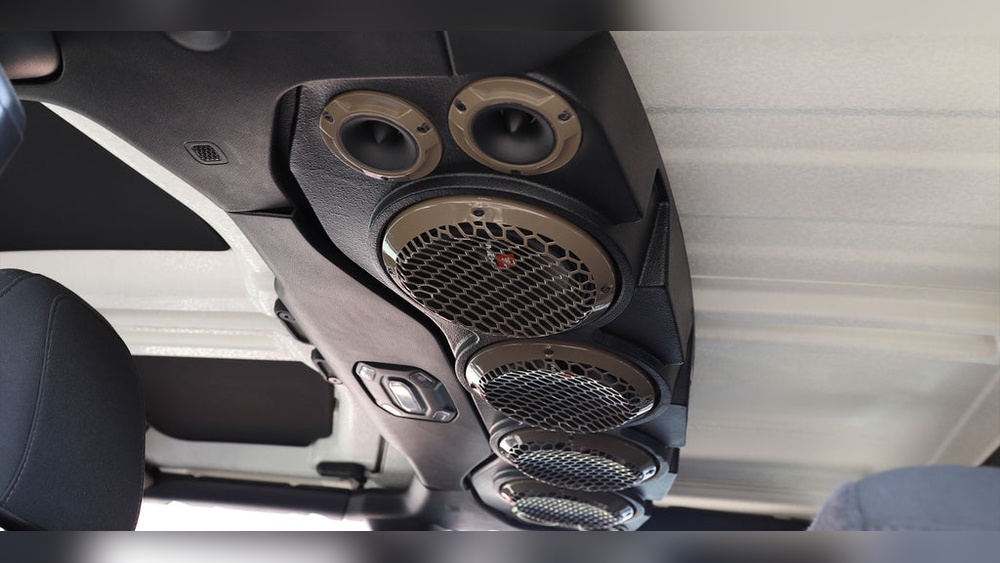
The base Jeep Gladiator, known as the Sport trim, comes with a simple audio system. It includes eight speakers. These speakers are placed carefully to provide balanced sound for all passengers. Most buyers expect four or six speakers in a basic truck, so eight is a nice upgrade.
Here’s how the speakers are positioned:
- Two speakers in the front doors
- Two tweeters in the dashboard
- Two speakers in the rear doors
- Two speakers in the roll bar (also called “sound bar”)
This setup gives you good coverage for both front and rear seats. The tweeters help improve clarity, especially for vocals and high notes.
If you choose higher trims or optional packages, the Gladiator’s audio system becomes even better. The Alpine Premium Audio System is available in trims like Overland, Rubicon, and Mojave. It adds extra features and speaker power.
The Alpine system keeps the total at nine speakers but adds a powerful subwoofer. The subwoofer is mounted behind the rear seats, creating deeper bass and a richer listening experience. The nine-speaker setup includes:
- Two front door speakers
- Two dashboard tweeters
- Two rear door speakers
- Two sound bar speakers
- One subwoofer
The subwoofer is a key upgrade. Bass can be weak in standard systems, so this is a smart addition for music lovers.
Jeep Gladiator Speaker Specifications
Numbers are important, but details matter too. The Gladiator’s speakers are designed for tough conditions. They are weather-resistant, so you can enjoy music even with the roof off or windows down.
Let’s look at the main features:
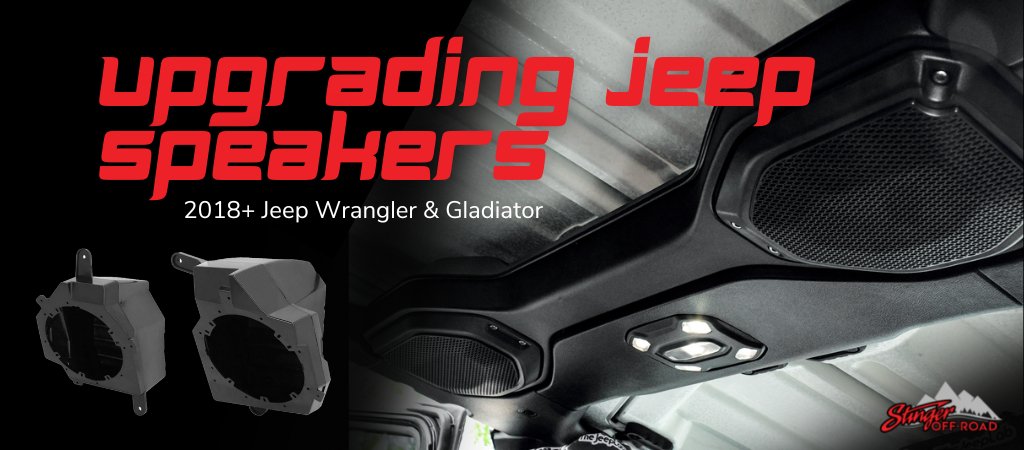
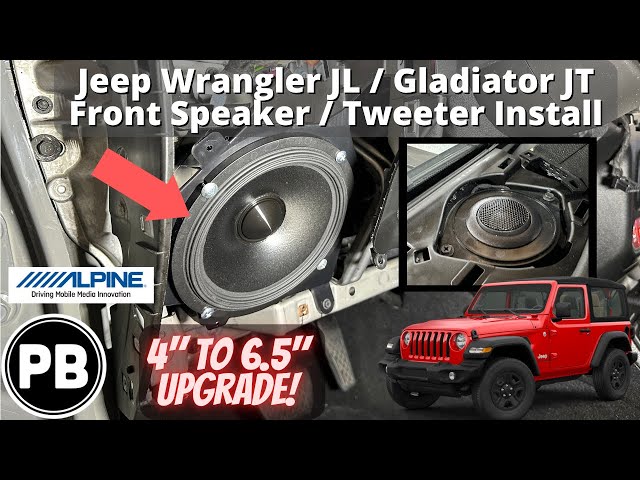
- Speaker size: Most door speakers are 4 inches; the sound bar speakers are 3 inches.
- Tweeters: These handle high frequencies, usually 1-inch size.
- Subwoofer: 8-inch size in the Alpine system.
- Power: The Alpine system includes a 552-watt amplifier for extra volume.
A common mistake is assuming all Gladiators have the premium system. Only specific trims or buyers who choose the upgrade get the subwoofer and amplifier.
Comparing Jeep Gladiator Speaker Systems
It helps to see how the Gladiator compares to other midsize trucks. Here is a quick comparison of speaker counts in popular pickups:
| Model | Standard Speakers | Premium System Speakers |
|---|---|---|
| Jeep Gladiator | 8 | 9 |
| Toyota Tacoma | 6 | 8 |
| Ford Ranger | 4 | 8 |
| Chevrolet Colorado | 6 | 7 |
The Gladiator stands out with more speakers in its standard setup and a strong premium option.
Speaker Placement And Sound Quality
Speaker placement affects how you hear music, podcasts, or calls. Jeep designed the Gladiator’s layout for both open-air and closed-cabin driving.
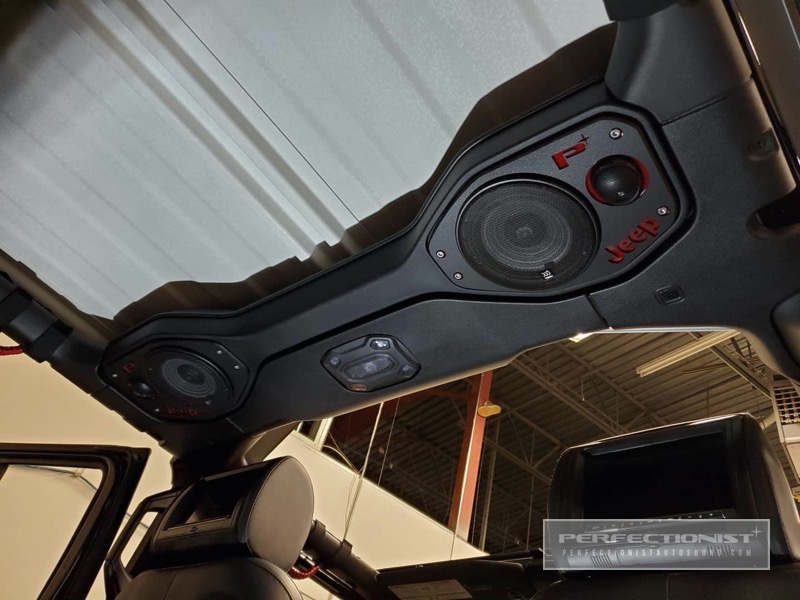
The sound bar is especially important, since it sits overhead and sends sound directly to passengers.
Here’s a breakdown of placement:
| Speaker Location | Number of Speakers | Purpose |
|---|---|---|
| Front doors | 2 | Main stereo sound |
| Dashboard | 2 | High frequencies (tweeters) |
| Rear doors | 2 | Rear passenger sound |
| Sound bar | 2 | Overhead audio |
| Subwoofer | 1 | Bass (only premium system) |
A beginner’s mistake is thinking speaker count alone means better sound. Placement and quality are just as important.
The Gladiator’s unique sound bar helps keep the audio strong even with the top removed.
Upgrading Your Jeep Gladiator’s Speakers
Some owners want even more. Upgrading the Gladiator’s speakers is possible, but it’s important to understand the system first.
Here are key tips:
- Check compatibility. The Gladiator’s shape and wiring are different from other trucks, so buy speakers made for Jeeps.
- Don’t skip the amplifier. If you upgrade to high-power speakers, you may need a stronger amp.
- Keep weather resistance. Choose speakers that can handle moisture and dust, especially for the sound bar.
Most owners are happy with the Alpine system, but serious audiophiles can get more with custom upgrades. Remember, the Jeep Gladiator is built for adventure, so balance sound quality with durability.
Jeep Gladiator Speaker System: Data Table
Here’s a quick summary of the speaker setup for each Gladiator trim:
| Trim Level | Standard Speakers | Premium Speakers | Subwoofer |
|---|---|---|---|
| Sport | 8 | N/A | No |
| Overland | 8 | 9 (Alpine) | Yes |
| Rubicon | 8 | 9 (Alpine) | Yes |
| Mojave | 8 | 9 (Alpine) | Yes |
Non-obvious Insights
Many buyers miss two important points:
- The subwoofer is not included in the base trim. You must order the Alpine system or choose a higher trim.
- Speaker placement is optimized for off-road and open-air driving. The sound bar is not just for looks; it helps keep audio quality high when the top is off.
One External Resource
For more details on Jeep Gladiator specs, check Jeep’s official site.
Frequently Asked Questions
How Many Speakers Does A Jeep Gladiator Have In The Base Model?
The base Gladiator comes with eight speakers. This includes door speakers, dashboard tweeters, and sound bar speakers.
Does Every Gladiator Have A Subwoofer?
No, only Gladiators with the Alpine Premium Audio System include a subwoofer. This option is standard in some trims and optional in others.
Can I Upgrade The Gladiator’s Speakers Myself?
Yes, you can upgrade, but make sure new speakers are weather-resistant and compatible with Jeep wiring and size.
Is The Alpine System Much Better Than The Standard?
The Alpine system adds a subwoofer and an amplifier, making bass deeper and sound richer. It’s a significant improvement for music lovers.
Where Are The Speakers Placed In The Gladiator?
Speakers are placed in the front and rear doors, dashboard, and sound bar. The subwoofer is behind the rear seats in the Alpine system.
The Jeep Gladiator is more than just a tough truck it’s also a fun place for music. Knowing the speaker setup helps you choose the right trim and enjoy your drive, whether you’re on the highway or the trail.