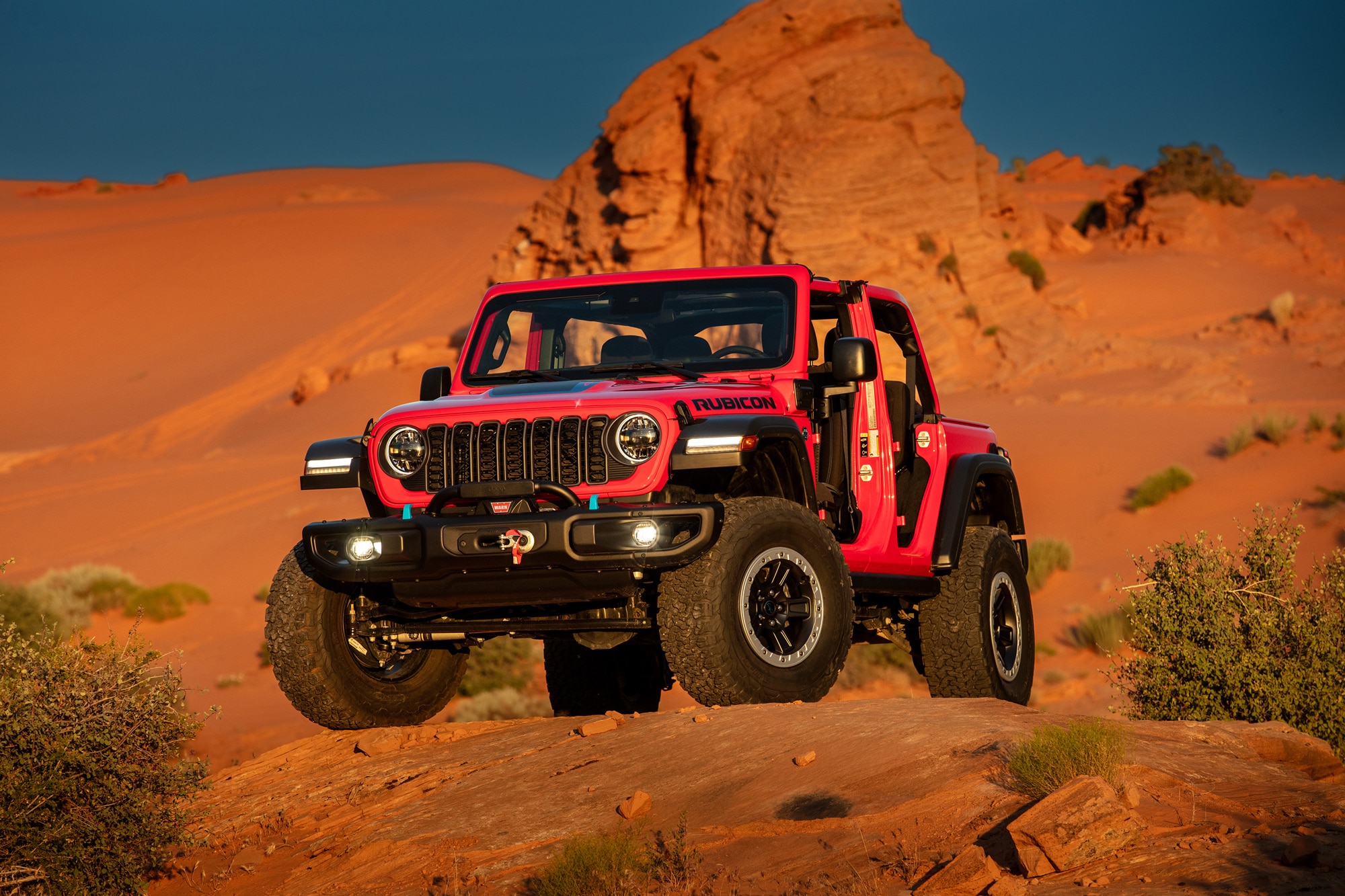
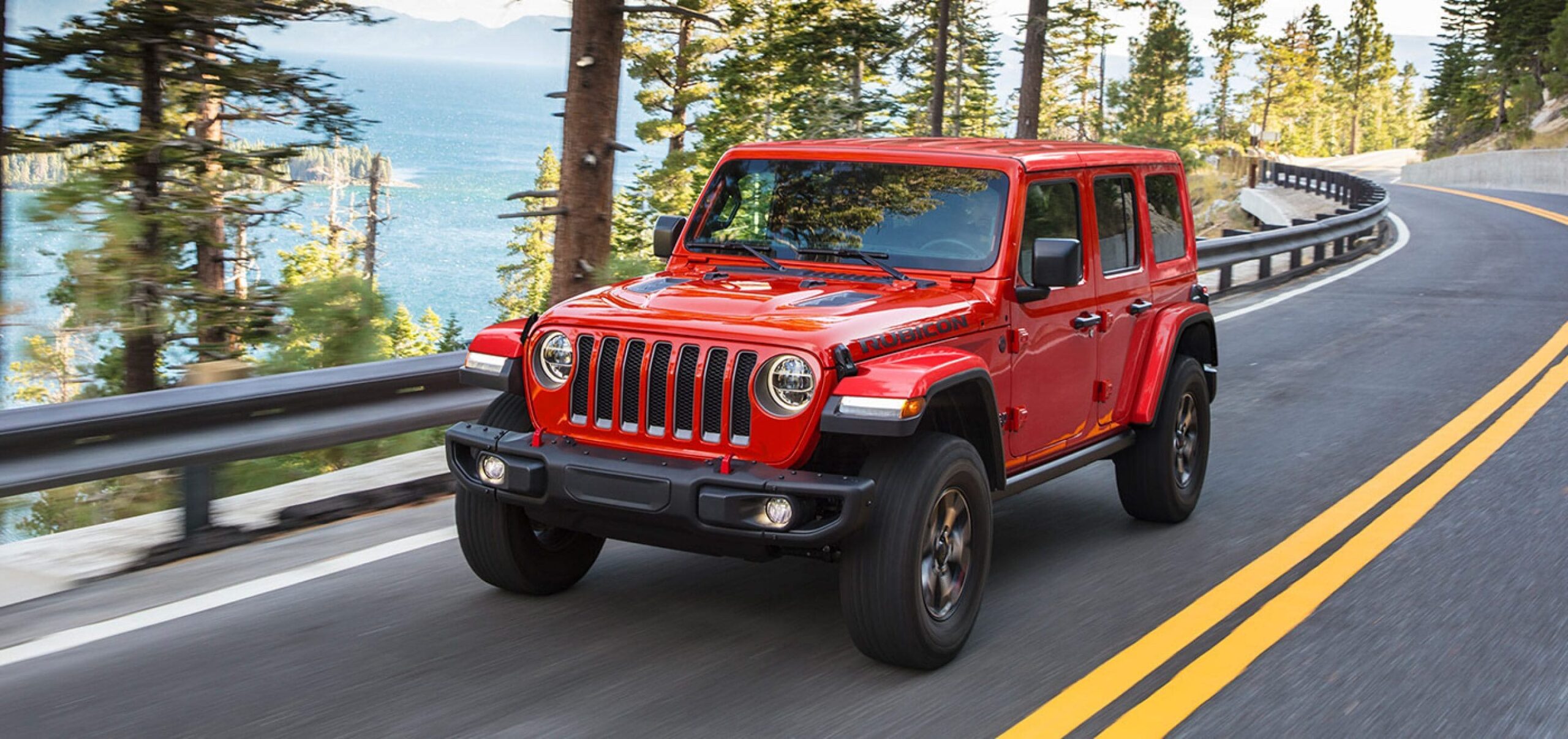
A Rubicon fuel-economy answer depends on the model year, engine, transmission, body style, tires and modifications. A single number copied from another Wrangler may not describe your Jeep or your commute.
Quick Answer
Use the official specification or fuel-economy information for the exact Rubicon configuration, then track several fill-ups. Tire size, roof accessories, speed, terrain, weather and driving pattern change the real result.
Configuration Changes the Baseline
A two-door and four-door Rubicon, different engines and different transmissions should not be blended into one estimate.
Tires Matter
Rubicon-oriented tires and aftermarket sizes affect rolling resistance, weight and gearing behavior. Confirm pressure and alignment before chasing small changes.
Highway Speed Changes the Result
A boxy vehicle uses more energy as speed rises. Compare similar routes instead of judging economy from one tank.
Trail Use Distorts the Average
Low-speed off-road driving, idling and recovery work may reduce the dashboard average. Keep trail trips separate from commute tracking.
Modifications Need a Record
Roof racks, bumpers, lifts and larger tires affect the ownership picture. Record changes when comparing fuel use over time.
Use Fill-Up Math
Divide miles driven by gallons added over several full-tank cycles. The receipt and odometer provide a clearer trend than one dashboard snapshot.
Key Details to Check
| Item | What to verify | Why it matters |
|---|---|---|
| Model year | Exact Rubicon configuration | Finds the right baseline |
| Tires | Size, pressure and condition | Affects rolling resistance |
| Alignment | Wear pattern and steering feel | Poor alignment wastes fuel |
| Route | City, highway, trail and weather | Explains variation |
| Fill-up log | Miles and gallons across several tanks | Shows the real trend |
Step-by-Step Review
- Identify the year, doors, engine, transmission and tire size.
- Check the official specification for the configuration.
- Set tire pressures correctly and inspect wear.
- Record miles and gallons for several tanks.
- Separate highway, city and trail use.
- Note modifications and seasonal changes.
- Investigate sudden drops instead of accepting them as normal.
Create a Vehicle-Specific Record
For How Many MPG Does A Jeep Rubicon Get, keep year, engine, doors, tire size, pressure, fill-up receipts and route type.
A short record for How Many MPG Does A Jeep Rubicon Get prevents the next inspection, quote or update from relying on memory alone.
When to Stop and Get Qualified Help
Pause the DIY process for How Many MPG Does A Jeep Rubicon Get when fuel use changes sharply alongside warning lights, rough running, dragging brakes or a strong fuel smell. A controlled inspection is safer than changing several parts or assumptions at once.
Common Mistakes to Avoid
- Using one MPG number for every Rubicon.
- Comparing a trail weekend with a highway commute.
- Ignoring oversized tires or low pressure.
- Trusting one dashboard average after a reset.
- Chasing fuel economy before checking maintenance basics.
Frequently Asked Questions
Do larger tires affect Rubicon MPG?
They may affect weight, gearing behavior and rolling resistance. Record the size and compare trends after changes.
Why does the dashboard average change quickly?
Recent driving conditions can move the estimate. Use several fill-ups for a stable picture.
Should trail miles be tracked separately?
Yes. Trail driving creates a different fuel-use pattern from road commuting.
Use Receipts, Not One Dashboard Number
Resetting the dashboard average before a highway trip can produce an impressive figure that does not represent ownership. Keep fuel receipts and odometer readings for several tanks, then separate commuting, trail and road-trip results.
Check Tire Pressure When the Season Changes
Cold weather may lower pressure and change fuel use. Measure pressure when the tires are cold, inspect uneven tread wear and confirm the size matches the setup you are evaluating.
A small maintenance issue can distort the MPG conversation.
Investigate Sudden Changes
A large fuel-economy drop alongside rough running, warning lights, brake drag or a fuel smell deserves inspection. Do not explain every change with the Rubicon badge.
Compare the new result with the earlier log and look for a clear cause.
Separate Trail Use From Commute MPG
A Rubicon that spends weekends crawling slowly on trails should not be judged by the same fuel log as a highway commuter. Tag each fill-up as city, highway, mixed or trail-heavy.
The separate records show whether a change comes from use pattern, tires, weather or a maintenance issue.
Measure MPG the Same Way Every Time
Fill at the same pump style when practical, stop at the first automatic click and record odometer miles and gallons. Consistent fill-up habits reduce noise in the log.
One unusually high or low tank should not change the conclusion by itself.
Record Tire and Roof Changes
A roof rack, cargo box, bumper or larger tire may change fuel use. Write down the date each modification was added.
The timeline helps explain whether MPG shifted because of the vehicle setup or because the route and weather changed.
Check Basic Maintenance Before Chasing Numbers
Low pressure, dragging brakes, rough running or a warning light deserve attention before comparing online MPG claims. A Rubicon may never match a lighter road-oriented vehicle, but a sudden drop still needs an explanation.
Final Editorial Check
For How Many MPG Does A Jeep Rubicon Get, complete the last review with model year, alignment and fill-up log.
Save the VIN context and source date beside the result so the page remains useful for Rubicon fuel economy planning on the exact Jeep being discussed.
- How Many Mpg Does A Jeep Wrangler Get
- How Many Mpg Does A Jeep Grand Cherokee Get
- What Is The Most Reliable Year For Jeep Wrangler Unveiling The Ultimate Dependable Model
Final Takeaway
A Rubicon MPG estimate becomes useful only when it matches the exact configuration and real driving pattern. Confirm the baseline, track fill-ups and account for tires, speed, terrain and modifications.