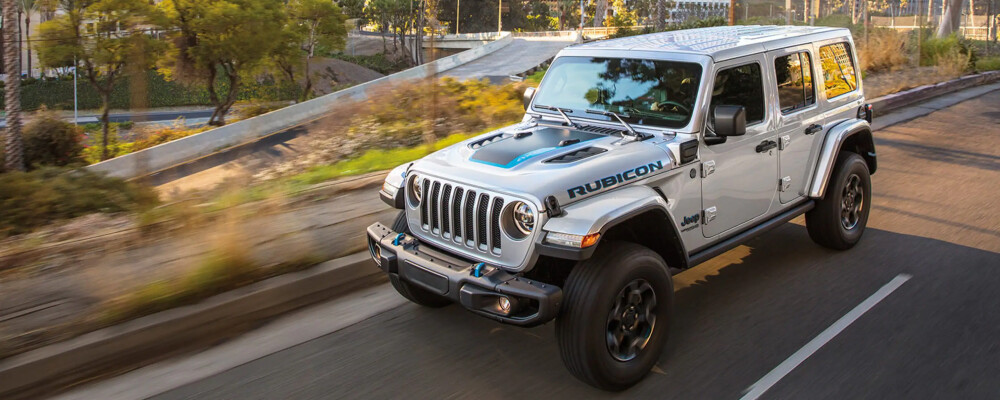
When you think about the Jeep Wrangler, adventure and off-road driving come to mind. But if you’re considering this SUV for everyday use, you probably want to know: How many miles per gallon does a Jeep Wrangler get?
Fuel economy is a big factor, especially with rising gas prices. The Wrangler’s boxy design and rugged build make it unique—but they also affect its efficiency.
Let’s explore how many miles per gallon (MPG) you can expect from different Jeep Wrangler models, what influences these numbers, and how you can get the most from every gallon.
Average Mpg For Jeep Wrangler Models
The Jeep Wrangler lineup offers several engine choices and trims. Each has its own fuel efficiency rating. Below is a comparison of popular Wrangler engines and their EPA-estimated MPG for recent models (2021–2024):
| Engine | Transmission | City MPG | Highway MPG | Combined MPG |
|---|---|---|---|---|
| 3.6L V6 (Gas) | Manual | 17 | 23 | 19 |
| 3.6L V6 (Gas) | Automatic | 18 | 23 | 20 |
| 2.0L Turbo (Gas) | Automatic | 21 | 24 | 22 |
| 3.0L V6 (Diesel) | Automatic | 22 | 29 | 25 |
| 4xe Plug-in Hybrid | Automatic | 49 MPGe* | Unlimited (Electric+Gas) | 20 (Gas only) |
*MPGe stands for “miles per gallon equivalent” for plug-in hybrid models.
Most buyers choose the 3.6L V6 or the 2.0L turbo. The V6 offers 19–20 MPG combined, while the turbo does slightly better at 22 MPG. The diesel option is the most efficient for long highway trips. The 4xe plug-in hybrid can drive short distances using only electricity, which greatly boosts city MPG.
Factors That Affect Wrangler Mpg
A Jeep Wrangler’s fuel economy depends on several important factors. Understanding these can help you pick the right model or get better mileage from your Wrangler.
Engine Type And Transmission
- Turbocharged engines use less fuel than larger V6 engines.
- Manual transmission models often have lower MPG than automatics in modern Wranglers.
- Diesel engines are more efficient for highway driving but can cost more upfront.
Two-door Vs Four-door (unlimited)
The two-door Wrangler is lighter and slightly more fuel-efficient. The four-door Unlimited is heavier, which lowers MPG by 1–2 points.
| Model | City MPG | Highway MPG |
|---|---|---|
| 2-Door, 3.6L V6 | 17 | 25 |
| 4-Door, 3.6L V6 | 18 | 23 |
| 2-Door, 2.0L Turbo | 22 | 24 |
| 4-Door, 2.0L Turbo | 21 | 24 |
Tires, Modifications, And Driving Style
Bigger tires, lift kits, and roof racks all make your Wrangler less aerodynamic and heavier. This can drop your MPG by 2 4 points.
Fast acceleration and rough terrain also use more fuel.
Tip: If you want better mileage, keep your Wrangler as close to stock as possible and drive gently.
Real-world Mpg: What Owners Report
Official EPA numbers are helpful, but real-world results can be different. Many Wrangler owners share their average MPG online:
- Most drivers get 16–19 MPG in city driving.
- Highway MPG usually matches EPA ratings, around 20–25 MPG depending on model.
- Owners with large tires or heavy accessories often see MPG drop to 13–16.
It’s common for new Wrangler owners to be surprised by lower-than-expected MPG, especially after adding accessories. Unlike smoother SUVs, the Wrangler’s shape and weight work against high fuel efficiency.
How The Wrangler Compares To Other Suvs
Compared to other midsize SUVs, the Jeep Wrangler’s MPG is lower. Boxy shape, solid axles, and off-road tires are all designed for durability not saving fuel.
Here’s a quick comparison with popular rivals:
| Model | Combined MPG |
|---|---|
| Jeep Wrangler (V6 Auto) | 20 |
| Toyota 4Runner | 17 |
| Ford Bronco (2.3L Turbo) | 20 |
| Subaru Outback | 29 |
| Honda CR-V | 30 |
Some competitors like the Subaru Outback or Honda CR-V get much better MPG. However, these vehicles are not as capable off-road as the Wrangler.
Tips To Improve Your Wrangler’s Mpg
Even though the Wrangler is not a fuel-saver, you can still maximize efficiency:
- Check tire pressure regularly—low pressure increases rolling resistance.
- Avoid heavy accessories unless you need them for off-roading.
- Drive at steady speeds on highways to reduce drag.
- Use synthetic oil for smoother engine operation.
- Remove roof racks or carriers when not in use.
One non-obvious tip: Keep windows closed at highway speed. Open windows increase drag and lower MPG—sometimes more than a roof rack.
Is The Wrangler’s Fuel Economy Right For You?
The Jeep Wrangler is built for exploration, not fuel savings. If you need an SUV mainly for city driving or long commutes, you might find its MPG disappointing. But if you love off-road adventures, open-air driving, and unique style, the Wrangler’s efficiency may be a fair trade-off.
Many buyers focus only on city and highway MPG. But for the Wrangler, total cost of ownership—including fuel, tires, and maintenance—is important to consider. Some owners choose the 4xe plug-in hybrid for better city MPG and short electric-only trips.

Frequently Asked Questions
How Does The Jeep Wrangler’s Mpg Compare To Older Models?
Older Wranglers (pre-2018) often get worse MPG, with averages around 15 18 combined. Recent models have improved thanks to new engines and transmissions.
Does Using 4wd Lower My Wrangler’s Mpg?
Yes, using four-wheel drive (4WD) increases fuel use, especially on pavement. Stick to two-wheel drive when you don’t need extra traction.
Is The Wrangler 4xe Plug-in Hybrid Worth It For Fuel Savings?
The 4xe offers up to 21 miles of electric driving per charge. If you have short daily trips and can plug in at home, it can save a lot on gas.
But for long highway drives, savings are less.
What’s The Worst Mpg I Can Expect From A Wrangler?
Heavily modified Wranglers with big tires and roof racks can drop to 13 15 MPG, especially in stop-and-go traffic or on rough terrain.
Where Can I Find Official Mpg Numbers For My Wrangler?
Check the EPA’s official site for up-to-date ratings: fueleconomy.gov.
The Jeep Wrangler isn’t the best choice if you want high MPG, but for many drivers, its capability and fun factor make up for it. Knowing what to expect helps you decide if it’s the right fit for your life and budget.