Most people buy a Jeep because they want a vehicle that’s tough, reliable, and built for adventure. But one big question often comes up: How many miles does a Jeep last? If you’re thinking about buying a Jeep, or you already own one, knowing how long it will last can help you make better decisions and take care of your investment.
Jeeps have a strong reputation for durability, especially models like the Wrangler and Grand Cherokee. However, not all Jeeps are equal, and how long your Jeep lasts depends on many factors, including maintenance, driving style, and even where you live.
Average Lifespan Of A Jeep
Most modern Jeeps, when well maintained, can last between 150,000 and 300,000 miles. This range is quite wide because some owners use their Jeeps for off-roading or tough conditions, while others drive mostly on highways. Here’s a quick look at typical mileage expectations for popular Jeep models:

| Jeep Model | Average Lifespan (Miles) |
|---|---|
| Wrangler | 200,000 – 300,000 |
| Grand Cherokee | 200,000 – 250,000 |
| Cherokee | 175,000 – 225,000 |
| Compass | 150,000 – 200,000 |
| Renegade | 150,000 – 200,000 |
Some Jeep owners have driven their vehicles over 300,000 miles, while others start to see major issues before 150,000 miles. The difference often comes down to care and maintenance.
Key Factors That Affect Jeep Longevity
Several factors decide how long your Jeep will last. Understanding these can help you get the most miles out of your vehicle.
1. Regular Maintenance
Keeping up with oil changes, transmission fluid, and brake checks is crucial. Skipping regular maintenance is one of the fastest ways to shorten a Jeep’s lifespan.
2. Driving Habits
Aggressive driving, such as rapid acceleration and hard braking, puts extra stress on the engine and suspension. Smooth driving can add years and thousands of miles to your Jeep.
3. Off-road Use
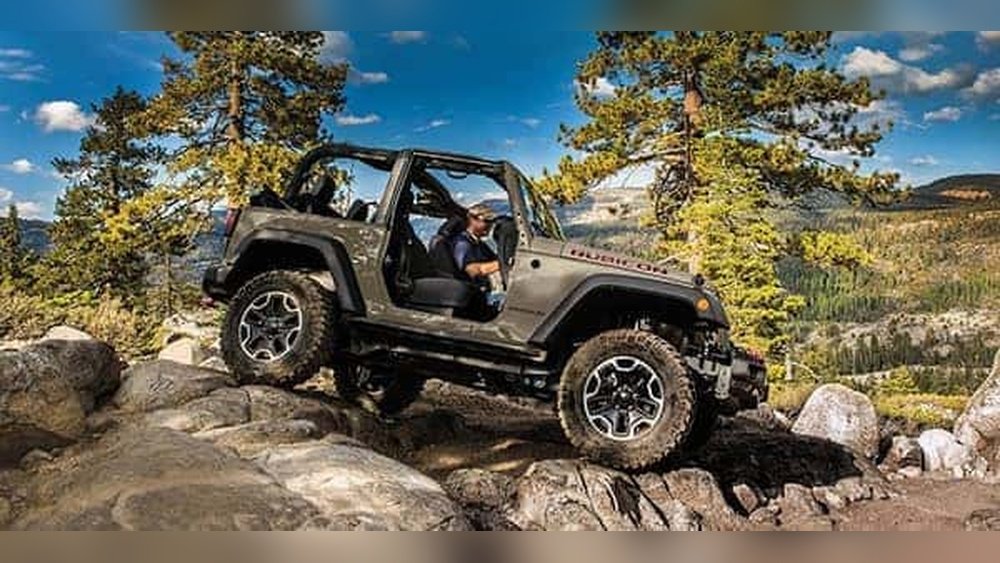
Jeeps are made for off-road adventures, but heavy off-roading can speed up wear and tear. This doesn’t mean you shouldn’t take your Jeep off the road, but regular checks are even more important if you do.
4. Climate And Environment
Living in areas with harsh winters, salty roads, or extreme heat can affect your Jeep’s body and parts. Rust is a common problem in snowy regions, especially if you don’t wash the undercarriage regularly.
5. Model And Year
Older Jeeps, especially those built before 2000, often last longer because they have simpler parts and fewer electronics. Newer models offer better comfort and safety, but sometimes more electronics mean more things can break.
Common Jeep Problems After High Mileage
Even the best-maintained Jeeps will face issues as they age. Here are some problems you might see after 150,000 miles:
- Rust: Especially on frames and undercarriages.
- Transmission issues: Hard shifts or slipping gears.
- Suspension wear: Bumpy rides, squeaks, or clunks.
- Electrical problems: Lights, sensors, or dashboard errors.
Some of these issues are minor and easy to fix. Others, like transmission replacement, can be expensive. Planning for these repairs can help you keep your Jeep running longer.
Comparing Jeep Lifespan With Other Suvs
Jeeps are often compared to other SUVs when it comes to longevity. Here’s how they stack up against some popular rivals:
| Brand / Model | Average Lifespan (Miles) |
|---|---|
| Jeep Wrangler | 200,000 – 300,000 |
| Toyota 4Runner | 250,000 – 350,000 |
| Ford Explorer | 150,000 – 200,000 |
| Honda CR-V | 200,000 – 300,000 |
While the Toyota 4Runner is known for lasting the longest, Jeeps still offer impressive durability, especially for drivers who want off-road ability.

How To Make Your Jeep Last Longer
If you want your Jeep to reach or even pass the 200,000-mile mark, focus on these proven tips:
- Follow the owner’s manual: Stick to the recommended service schedule.
- Use quality parts and fluids: Cheap parts can lead to bigger problems later.
- Keep it clean: Wash the undercarriage to prevent rust, especially if you drive in winter.
- Listen for noises: Catching new sounds early can help you fix small problems before they grow.
- Avoid overloading: Carrying too much weight can strain the engine and suspension.
Many Jeep owners overlook the importance of quality fluids. For example, using the wrong transmission fluid can damage your gearbox. Also, some drivers ignore the transfer case and differential fluids—these are just as important as engine oil for a Jeep.
Real-world Examples
There are thousands of stories online about Jeeps with high mileage. For example, some 1990s Jeep Cherokees have passed 400,000 miles with just basic repairs. On the other hand, a poorly maintained Jeep can break down before 100,000 miles.
One non-obvious insight: many high-mileage Jeeps come from dry states like Arizona, where rust is less of a problem. If you’re buying a used Jeep, ask about where it was driven and check underneath for rust damage.
Another detail: Jeeps with manual transmissions often last longer than automatics. Manual gearboxes are simpler and cheaper to fix.

When Is It Time To Move On?
Even with the best care, every Jeep will reach a point where repairs cost more than the car is worth. Common signs it’s time to sell or retire your Jeep include:
- Engine or transmission failure after 200,000 miles
- Frame rust that can’t be repaired
- Constant electrical problems
If you’re attached to your Jeep, consider rebuilding or restoring it. However, for most people, it’s better to move on when repair bills get too high.
For more data on car longevity, the Jeep Wikipedia page offers deeper history and details.
Frequently Asked Questions
How Many Miles Is Too Many For A Used Jeep?
A used Jeep with under 150,000 miles is generally a safe bet if it has a good service history. Above 200,000 miles, expect more repairs and check for rust or transmission problems before buying.
Is It Expensive To Maintain A Jeep Over 100,000 Miles?
Maintenance costs go up after 100,000 miles, especially for suspension and transmission parts. However, regular care can delay big expenses.
Do Jeeps Last Longer Than Other Suvs?
Jeeps often last as long or longer than many other SUVs, but Toyota models like the 4Runner sometimes edge them out. Maintenance and environment matter more than brand alone.
What’s The Best Jeep Model For Longevity?
The Jeep Wrangler is famous for lasting the longest, thanks to its simple design and strong frame. Older Cherokees are also known for high mileage.
Can A Jeep Reach 300,000 Miles?
Yes, with excellent care and a bit of luck, a Jeep can go 300,000 miles or more. Preventing rust and fixing problems early is key.
Jeeps are built to go the distance, but how long yours lasts depends on how you treat it. With smart maintenance and a little know-how, your Jeep could be one of those legendary high-mileage machines.