Charging an electric vehicle is one of the most common questions new owners have—especially when it comes to plug-in hybrids like the Jeep Wrangler 4xe. If you’re thinking about owning this unique SUV, or you already drive one, you probably wonder: How many kWh does it take to charge a Jeep Wrangler 4xe?
Understanding this number helps you plan charging times, costs, and even your daily driving habits. Let’s break it all down in a clear, simple way, so you know exactly what to expect from your Wrangler 4xe’s charging needs.
The Jeep Wrangler 4xe: Battery And Basics
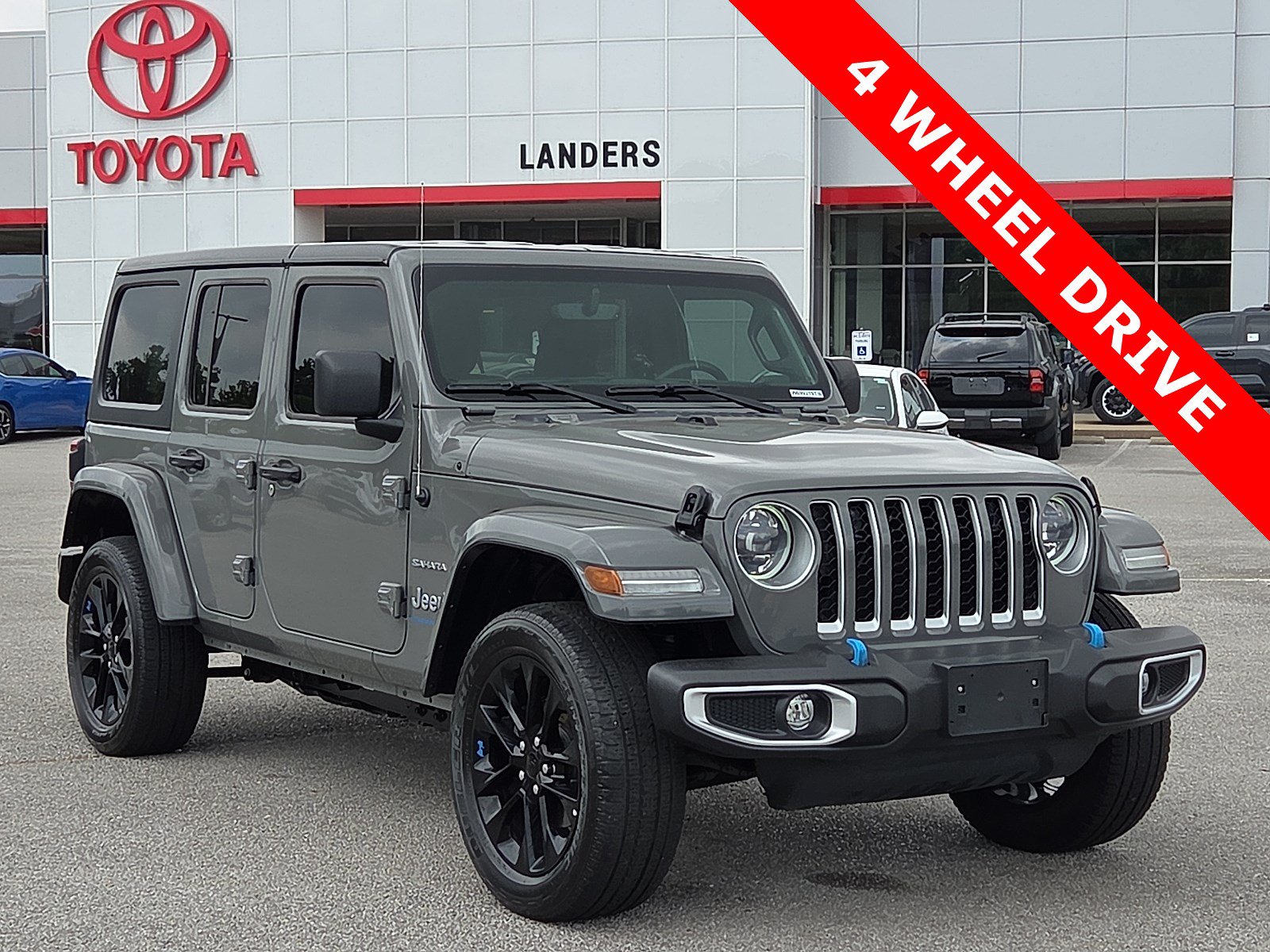
The Jeep Wrangler 4xe is a plug-in hybrid SUV. This means it uses both a gas engine and an electric motor, supported by a rechargeable battery pack. The 4xe’s battery is a 17.3 kWh lithium-ion pack. However, not all of this capacity is available for use. Jeep allows only a portion of the battery to be used to help protect battery life. The usable battery capacity is about 15 kWh.

So, to fully charge a Jeep Wrangler 4xe from empty to 100% (usable), you need to supply about 15 kWh of electricity.
Here’s a quick comparison of plug-in hybrid battery sizes:
| Model | Total Battery Capacity (kWh) | Usable Capacity (kWh) |
|---|---|---|
| Jeep Wrangler 4xe | 17.3 | 15 |
| Toyota RAV4 Prime | 18.1 | 14.5 |
| Mitsubishi Outlander PHEV | 20 | 13.8 |
Key insight: Even though the Wrangler 4xe’s battery is large for a plug-in hybrid, it’s still much smaller than a full electric car.
How Many Kwh To Charge: Real-world Details
Charging the Wrangler 4xe’s battery from empty to full will use about 15 kWh of electricity. But in real-world conditions, you may use a bit more due to charging losses. Losses usually happen as heat or resistance during charging and can add 10–15% extra energy use.
So, to fully charge from empty, you’ll actually use closer to 17 kWh from the wall.
Charging Cost Example
If you pay $0.15 per kWh (US average), charging from empty to full costs:
- 17 kWh x $0.15 = $2.55 per full charge
This is much less than the cost of a tank of gas for the same driving distance.
Charging Time And Power
The Wrangler 4xe supports Level 1 (120V) and Level 2 (240V) charging. It does not support DC fast charging.
Here’s how long it takes to charge, and how much energy you’ll use with each charging method:
| Charging Method | Power (kW) | Time (0-100%) | Energy Used (kWh) |
|---|---|---|---|
| Level 1 (120V) | ~1.4 | ~12 hours | ~17 |
| Level 2 (240V) | ~7.2 | ~2 hours | ~17 |
Pro tip: Level 2 charging is much faster and more convenient for daily use.
How Far Does 15 Kwh Take You?
The Wrangler 4xe’s EPA-estimated all-electric range is about 21 miles per full charge. This means you get about 1.4 miles per kWh (21 miles / 15 kWh). This is lower than most electric cars, but remember: the Wrangler 4xe is a heavy, off-road SUV with all-wheel drive.
For comparison, here’s how the 4xe stacks up against other plug-in hybrids:
| Model | Electric Range (miles) | kWh per Full Charge | Efficiency (miles/kWh) |
|---|---|---|---|
| Jeep Wrangler 4xe | 21 | 15 | 1.4 |
| Toyota RAV4 Prime | 42 | 14.5 | 2.9 |
| Mitsubishi Outlander PHEV | 38 | 13.8 | 2.8 |
Non-obvious insight: The Wrangler 4xe’s efficiency is much lower because of its weight and off-road tires, but it offers unique capability you won’t find in other plug-in SUVs.
Factors That Affect Kwh Usage
The exact amount of kWh to charge your Jeep Wrangler 4xe can change due to:
- Weather: Cold or hot weather can reduce battery efficiency and increase energy needed for climate control.
- Driving style: Fast acceleration and high speeds use more power.
- Charging losses: Older chargers or long cables can slightly increase energy use.
- Battery age: Over time, batteries lose capacity, but this effect is slow.
A common mistake is to assume your energy use will always match official numbers. Real-world numbers may be a bit higher.
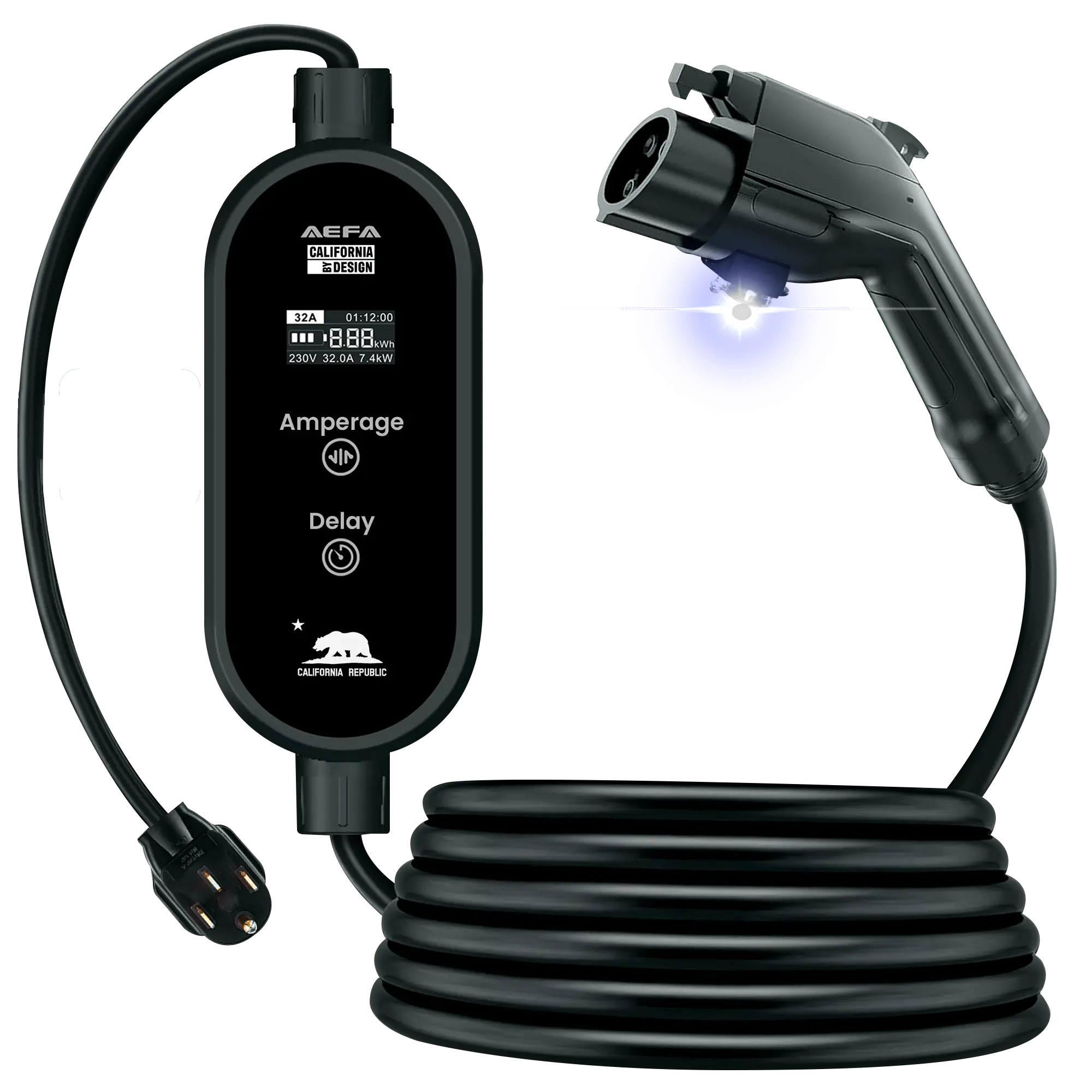
Tips For Efficient Charging
- Charge regularly: Topping up daily means shorter charging times and less stress on the battery.
- Use Level 2 charging: This is faster and can save money if you have off-peak electricity rates.
- Precondition your cabin: Use the remote start to heat or cool your vehicle while plugged in. This uses wall power instead of your battery.
- Monitor your battery: Use the Jeep app or dashboard to check battery status and plan charging times.
- Avoid letting the battery run completely empty: This can help extend battery life.
Frequently Asked Questions