The Jeep Cherokee is one of America’s most well-known SUVs. It has a long history, starting in the 1970s and continuing today.
Many drivers know the name, but few know just how many Jeep Cherokees have been made over the years. If you love cars, want to buy a Cherokee, or are just curious, you’ll find the numbers and history behind this SUV fascinating.
The Birth And Growth Of The Jeep Cherokee
The first Jeep Cherokee was introduced in 1974. It was designed to be a sporty, family-friendly version of the Jeep Wagoneer. The Cherokee grew quickly in popularity, especially after the launch of the XJ model in 1984. The XJ’s unibody design made it lighter and easier to handle, which set a new trend in SUVs.
Production Numbers By Generation
It can be hard to find exact numbers for every year, but estimates and official data give a clear picture of Jeep Cherokee production over time.
1. First Generation (sj; 1974–1983)
The original Cherokee was based on the Wagoneer and was produced for about 10 years. Production was smaller than later generations.
- Estimated total: Over 200,000 units
2. Second Generation (xj; 1984–2001)
The XJ Cherokee is perhaps the most famous. It was sold worldwide and became a favorite for off-road enthusiasts.
Its long production run means it has the highest numbers.
- Estimated total: Over 2.8 million units
3. Third Generation (kj; 2002–2007)
In North America, this model was sold as the Liberty, but it kept the Cherokee name elsewhere. The KJ had a new, rounded look and improved comfort.
- Estimated total: About 1 million units
4. Fourth Generation (kk; 2008–2012)
Again, called the Liberty in the US, but Cherokee in other markets. The KK was larger, with a focus on safety and modern features.
- Estimated total: Around 400,000 units
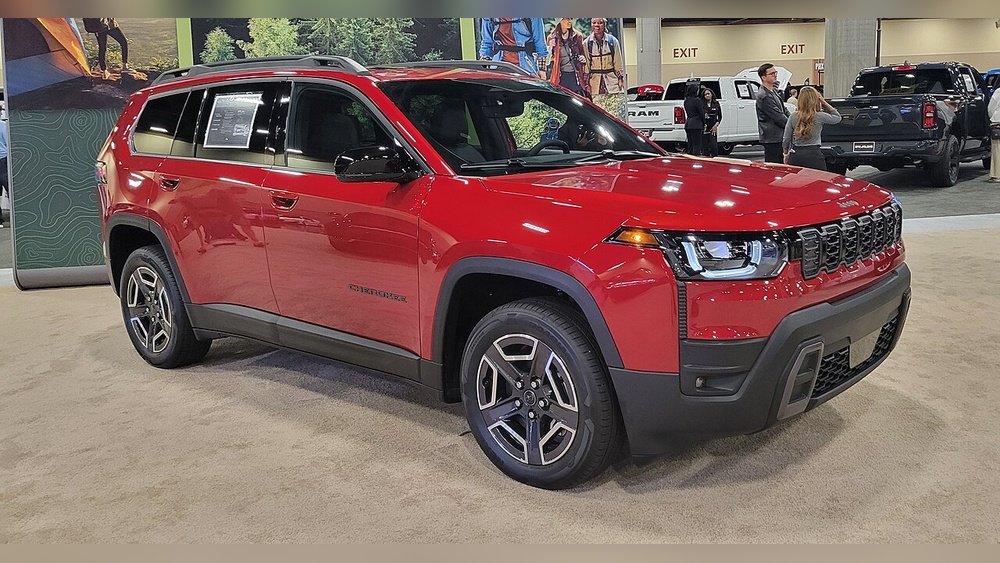
5. Fifth Generation (kl; 2014–2023)
The KL model brought back the Cherokee name to the US. It featured a modern design, advanced tech, and was built in the US and China.
- Estimated total: Over 1.2 million units
Here’s a summary of production numbers by generation:
| Generation | Years | Estimated Production |
|---|---|---|
| SJ (1st) | 1974–1983 | 200,000+ |
| XJ (2nd) | 1984–2001 | 2,800,000+ |
| KJ (3rd) | 2002–2007 | 1,000,000+ |
| KK (4th) | 2008–2012 | 400,000+ |
| KL (5th) | 2014–2023 | 1,200,000+ |

Total Jeep Cherokee Production
Combining numbers from all generations, the total Jeep Cherokee production is estimated at over 5.6 million units worldwide. This number includes all versions sold globally, even if they had different names in the US and other countries.
Jeep Cherokee Vs Other Jeep Models
How does the Cherokee compare to other popular Jeeps like the Grand Cherokee or Wrangler? Here’s a quick look:
| Model | Years Active | Total Estimated Production |
|---|---|---|
| Cherokee | 1974–2023 | 5.6 million+ |
| Grand Cherokee | 1993–present | 7 million+ |
| Wrangler | 1986–present | 5 million+ |
This table shows the Cherokee is one of the most produced Jeep models, but the Grand Cherokee has slightly higher numbers because of its strong sales in recent years.
Why Production Numbers Matter
Knowing how many Jeep Cherokees were made tells us more than just a number. It explains why:
- Parts are widely available. More production means easier and cheaper repairs.
- Resale value stays steady. High production keeps a strong used market.
- Aftermarket support is strong. Many accessories and modifications exist.
Most beginners don’t realize that high production also means more shared parts with other vehicles. For example, the XJ shares engines and suspension components with other Jeep models, making maintenance easier.
Non-obvious Insights About Cherokee Production
- Global Production Sites: Jeep Cherokees have been built not just in the US, but also in countries like China, Venezuela, and Egypt. Local production helped the Cherokee become a global SUV.
- Model Name Confusion: The Cherokee and Liberty are actually the same vehicle in some years, just under different names in different markets. This often confuses buyers looking at production numbers.

Common Mistakes When Researching Production Numbers
- Mixing Grand Cherokee and Cherokee data: They are different vehicles.
- Not counting non-US models: Many Cherokees were made outside North America.
- Believing only official numbers: Early records are often incomplete, so estimates are sometimes more accurate.
Collectible Cherokees: Which Years Stand Out?
Some Cherokee models are more collectible due to low production or unique features:
- 1974 SJ Cherokee: The very first year, rare today.
- 1997–2001 XJ Cherokee: Last years of the classic design.
- 2013 final KK Cherokee: End of an era before the new KL.
Collectors often look for these years, as they can be harder to find in good condition.

Frequently Asked Questions
How Many Jeep Cherokees Were Made In Total?
Estimates show that over 5.6 million Jeep Cherokees were made worldwide from 1974 to 2023, across five generations.
Which Generation Had The Highest Production?
The second generation (XJ, 1984–2001) had the highest production, with more than 2.8 million units made. Its long run and global popularity make it the most common Cherokee.
Are Jeep Cherokees Still Being Made?
Production of the KL Cherokee ended in early 2023. There are rumors of a new model in the future, but as of now, new Cherokees are not being produced for North America. You can find more about future plans at the official Stellantis Newsroom.
Why Are Some Cherokees Called Liberty In The Us?
From 2002 to 2012, Jeep sold the Cherokee as the Liberty in the US, but kept the Cherokee name in other countries. This was a marketing decision to refresh the brand in North America.
How Can I Tell Which Generation My Cherokee Is?
You can check the model year, body style, and VIN number. Each generation has a unique look and features. Online forums and Jeep’s official website have guides to help you identify your Cherokee’s generation.
The Jeep Cherokee’s long production history is a testament to its popularity and reliability. Whether you’re driving an old XJ or a modern KL, you’re part of a community that spans millions of vehicles and nearly five decades.