The Jeep Wrangler is one of the most recognized off-road vehicles in the world. If you’re thinking about buying one, or just curious, you might wonder: how many horsepower does a Jeep Wrangler have?
This question is more interesting than you might think, because the answer depends on the year, engine type, and trim. Let’s break down the horsepower numbers for the Jeep Wrangler and what they mean for drivers.
What Is Horsepower, And Why Does It Matter?
Horsepower is a measure of power, showing how much work an engine can do over time. In cars, more horsepower usually means quicker acceleration and better ability to handle tough terrain or heavy loads. For an off-road SUV like the Jeep Wrangler, horsepower is important, but it’s not the only factor. Torque and the type of transmission also play big roles. Still, knowing the horsepower gives you an idea of the vehicle’s strength.
Jeep Wrangler Engine Options And Horsepower Ratings
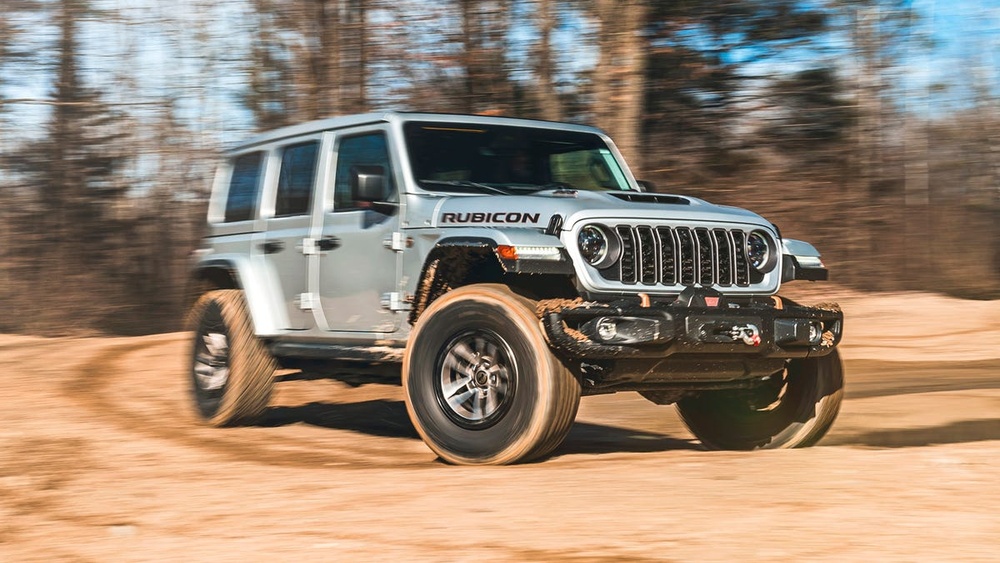
Over the years, the Jeep Wrangler has offered many engines. Each engine comes with its own horsepower rating. Here’s a look at the most common engine options for recent models (2018–2024):
| Engine Type | Model Years | Horsepower (hp) |
|---|---|---|
| 2.0L Turbo I4 | 2018–2024 | 270 |
| 3.6L V6 Pentastar | 2012–2024 | 285 |
| 3.0L EcoDiesel V6 | 2020–2023 | 260 |
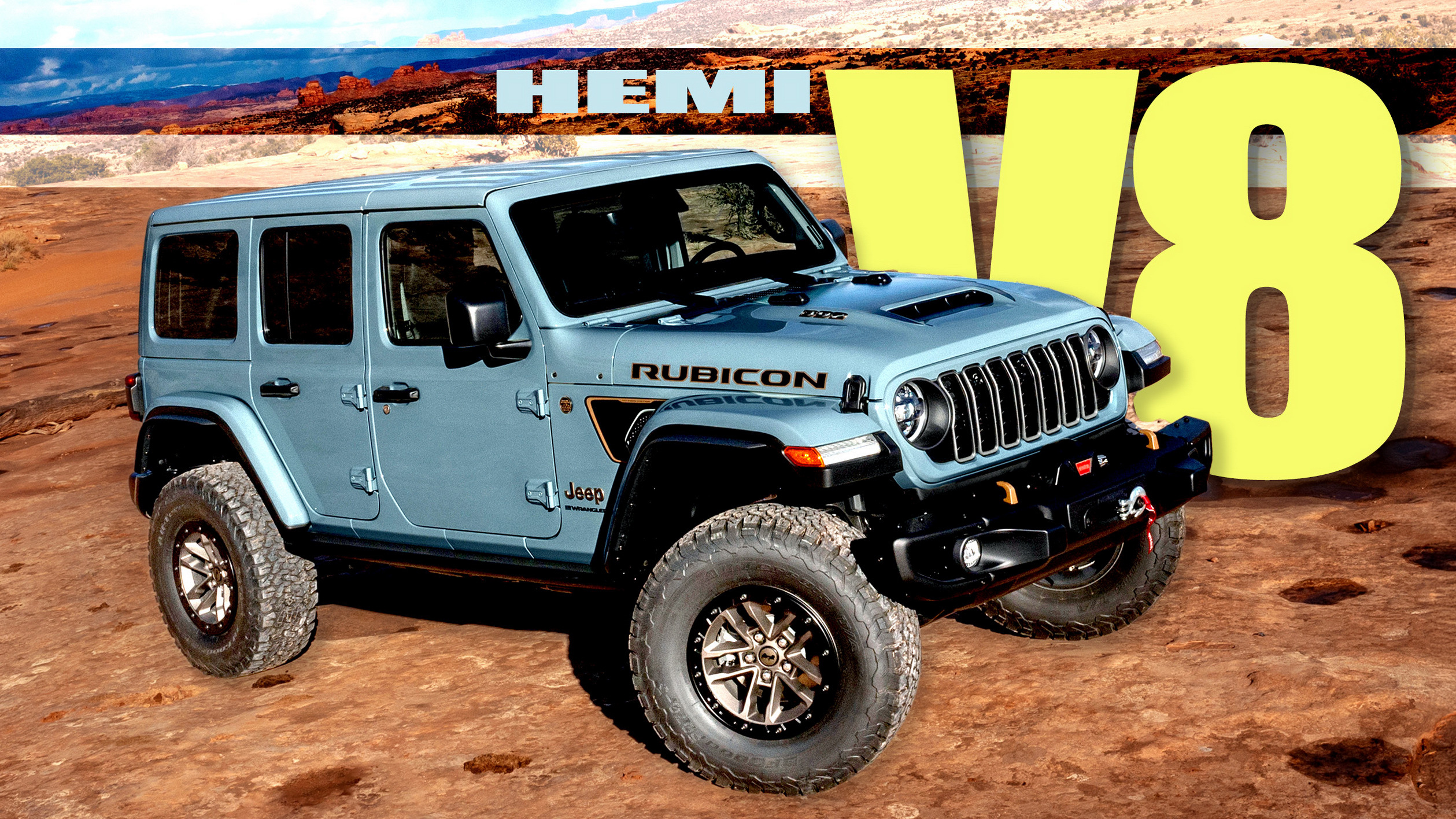
| 6.4L V8 HEMI (Rubicon 392) | 2021–2024 | 470 |
| 4xe Plug-in Hybrid (2.0L Turbo + Electric) | 2021–2024 | 375 |
Most Jeep Wranglers on the road use either the 3.6L V6 or the 2.0L Turbo engine. The special Rubicon 392 model packs a huge V8 with a massive 470 horsepower, but it’s rare and much more expensive.
Comparing Horsepower By Model Year
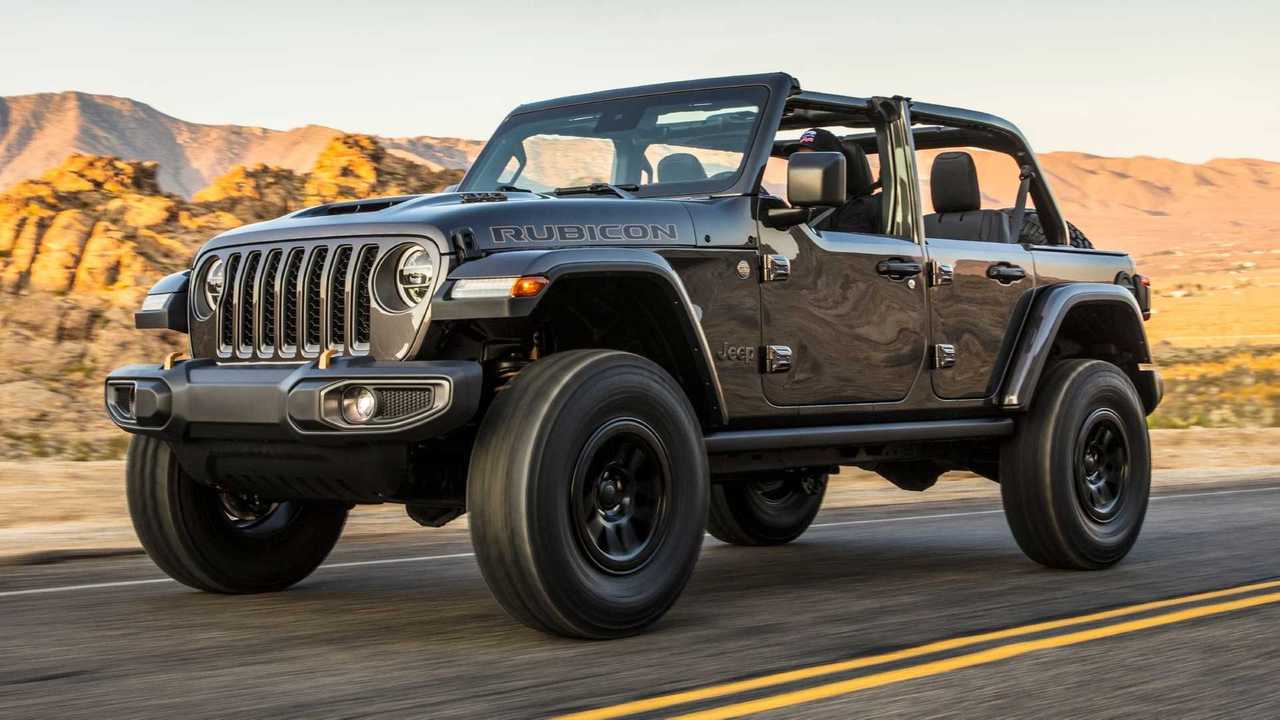
The horsepower of the Jeep Wrangler has changed over time. Here’s how it looks for the last decade:
| Year | Base Engine | Base Horsepower | Top Engine Option | Top Horsepower |
|---|---|---|---|---|
| 2015 | 3.6L V6 | 285 | 3.6L V6 | 285 |
| 2018 | 3.6L V6 | 285 | 2.0L Turbo I4 | 270 |
| 2021 | 3.6L V6 | 285 | 6.4L V8 HEMI | 470 |
| 2023 | 2.0L Turbo I4 | 270 | 6.4L V8 HEMI | 470 |
Notice that before 2018, the Wrangler only offered the V6 engine. After that, Jeep added new engine options, including turbocharged, diesel, and hybrid choices.
What Horsepower Means For Jeep Wrangler Drivers
For most drivers, the standard V6 with 285 horsepower is more than enough for daily driving and off-roading. The 2.0L Turbo offers nearly the same horsepower but with better fuel economy and more torque at lower speeds. This is helpful for climbing hills and driving through mud or sand.
The 4xe Plug-in Hybrid combines gas and electric power for a total of 375 horsepower. It offers quick acceleration and is quieter, making it a good choice for city drivers who also want off-road capability.
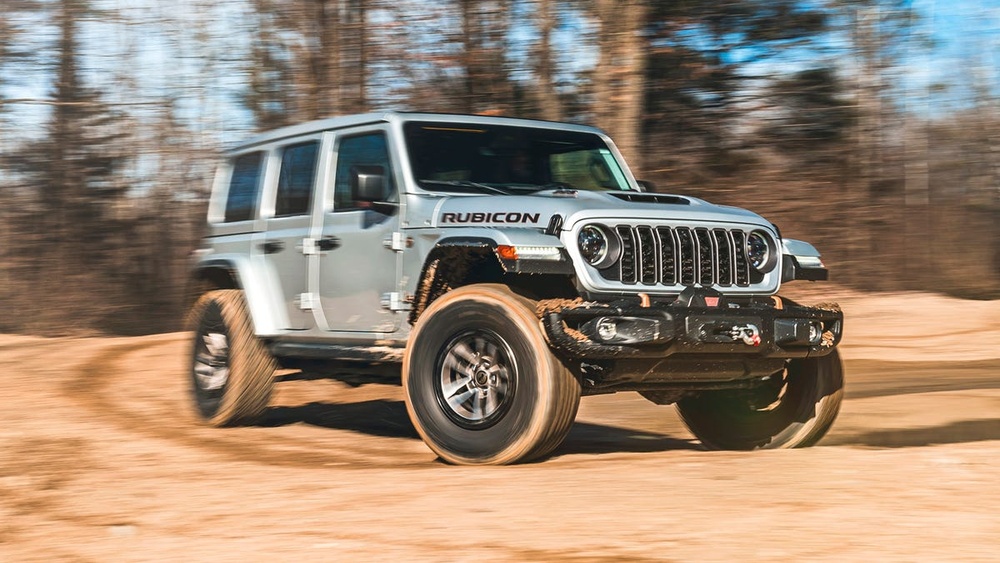
The Rubicon 392 is a different beast. With 470 horsepower, it’s the fastest, most powerful Wrangler ever. It can go from 0 to 60 mph in about 4.5 seconds. But it’s also much more expensive, uses more fuel, and is not necessary for most people.
Two Insights Most Beginners Miss
- Horsepower isn’t everything. Many new buyers focus on the biggest number, but torque is just as important for off-road driving. Torque helps you move at low speeds over rocks or through mud. For example, the diesel engine has less horsepower but much more torque.
- Transmission and axle ratios matter. How the power reaches the wheels changes how the Wrangler drives. A manual transmission or a higher axle ratio can make a Wrangler feel stronger, even if the horsepower number is the same.
Choosing The Right Horsepower For Your Needs
Your best choice depends on how you plan to use your Jeep Wrangler.
- City and daily driving: The 2.0L Turbo or 3.6L V6 are smooth, reliable, and have plenty of power.
- Off-road adventures: Look for an engine with good torque and a transmission that matches your style. The 3.0L diesel is excellent here.
- Performance fans: If you want the fastest, loudest Wrangler, the Rubicon 392 is the answer.
- Eco-conscious drivers: The 4xe hybrid gives you strong performance and the ability to drive short distances on electricity only.
Here’s a quick comparison for common uses:
| Use Case | Recommended Engine | Horsepower |
|---|---|---|
| Everyday driving | 2.0L Turbo I4 | 270 |
| Serious off-roading | 3.0L EcoDiesel V6 | 260 |
| Performance | 6.4L V8 HEMI | 470 |
| Hybrid/Green | 4xe Plug-in Hybrid | 375 |
Common Mistakes When Looking At Horsepower
Many people believe that higher horsepower always means a better Jeep. But this is not true for everyone. Here are mistakes to avoid:
- Ignoring torque and focusing only on horsepower.
- Choosing the Rubicon 392 for daily driving when it’s built for fun and speed, not fuel economy or comfort.
- Forgetting that engine options may affect towing capacity and long-term maintenance.
Where To Find Official Horsepower Numbers
If you want the most up-to-date information, the best place is the Jeep official website or trusted auto sources. For a deeper dive into technical specs, you can visit Wikipedia for a full history of Jeep Wrangler engines and power ratings.
Frequently Asked Questions
How Much Horsepower Does A Base Jeep Wrangler Have?
Most base models today come with the 3.6L V6 engine, which produces 285 horsepower. The 2.0L Turbo is optional on many trims with 270 horsepower.
Which Jeep Wrangler Has The Most Horsepower?
The Jeep Wrangler Rubicon 392 has the most horsepower, boasting 470 horsepower from its 6.4L V8 HEMI engine.
Does Higher Horsepower Mean Better Off-road Performance?
Not always. While higher horsepower helps with speed, torque and the right transmission are more important for climbing and tough terrain.
Are Older Jeep Wranglers Less Powerful?
Generally, yes. Older Wranglers, especially before 2012, had less powerful engines. Modern engines offer more horsepower, better fuel economy, and lower emissions.
Can I Upgrade My Wrangler’s Horsepower?
Yes, but it’s best done by professionals. Popular upgrades include performance chips, better exhaust systems, or even engine swaps. Always check warranty and local laws before making changes.
No matter which Jeep Wrangler you choose, understanding horsepower and what it really means will help you pick the right vehicle for your needs and adventures.