How Many Gallons Does A Jeep Wrangler Take?
If you drive a Jeep Wrangler or plan to own one, knowing its fuel tank capacity is important. It helps you plan long road trips, estimate fuel costs, and avoid running out of gas in remote areas. Many people are surprised to learn that not every Jeep Wrangler has the same tank size. In fact, fuel tank capacity depends on the model year, trim, and even the engine you choose. This guide explains everything you need to know, from specific gallon numbers to practical tips for Wrangler owners.
Jeep Wrangler Fuel Tank Capacity By Model Year
Jeep has built the Wrangler since 1986, and the tank size has changed several times. Here’s a look at the most common capacities for different generations:
| Generation | Model Years | Typical Tank Size (gallons) |
|---|---|---|
| YJ | 1987–1995 | 15 or 20 |
| TJ | 1997–2006 | 19 |
| JK | 2007–2018 | 18.6–22.5 |
| JL | 2018–Present | 17.5–21.5 |
Most modern Jeep Wrangler owners will have a JL (2018–present) or JK (2007–2018). For these, the tank size usually falls between 17.5 and 22.5 gallons.
Differences By Body Style And Trim
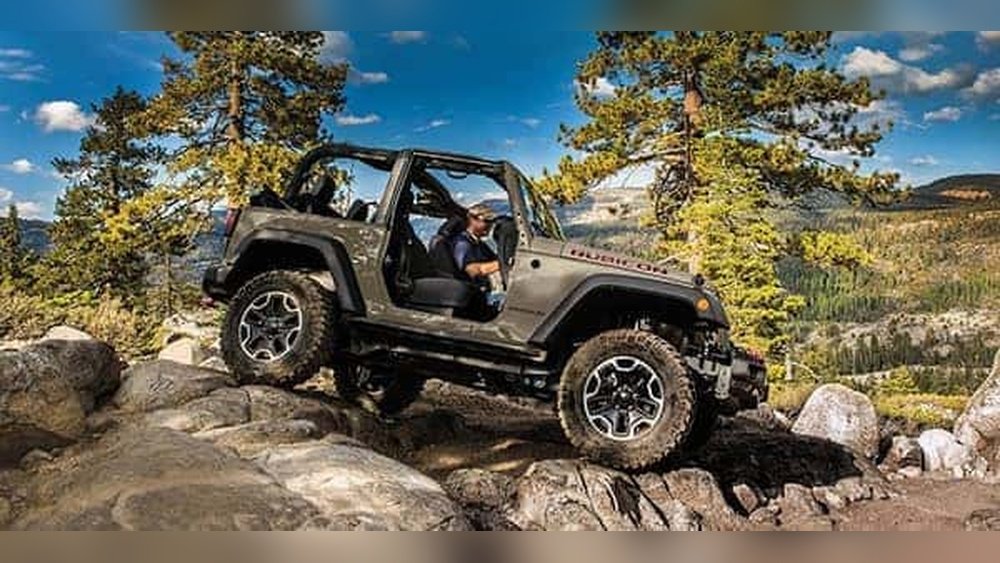
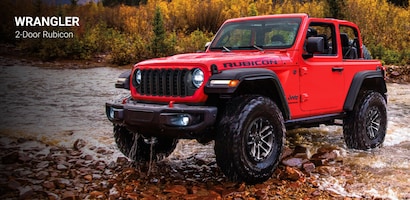
Not all Wranglers are the same. Two-door and four-door models can have different tank sizes. Special trims, like the Rubicon or Sahara, might also have unique capacities. Here’s a quick comparison for the recent JL generation:
| Body Style | Tank Size (gallons) |
|---|---|
| 2-Door | 17.5 |
| 4-Door (Unlimited) | 21.5 |
So, if you own a 2-door JL Wrangler, you’re working with 17.5 gallons. The 4-door Unlimited version offers a larger 21.5-gallon tank.
Why Tank Size Matters
The fuel tank size affects how far you can drive before needing a refill. If you love off-roading or long road trips, a bigger tank means fewer stops. But even a few gallons difference can matter:
- Longer range: More gallons let you travel farther between gas stations.
- Refueling convenience: You can choose when and where to stop.
- Trip planning: Knowing your range helps avoid remote breakdowns.
A common mistake is assuming all Wranglers have the same tank. Always check your specific model before planning a big journey.
Real-world Range: How Far Can You Go?
Just knowing the tank size isn’t enough. Range depends on miles per gallon (MPG) too. Here’s how you can estimate it:
- Find your Wrangler’s average MPG (for example, 20 MPG).
- Multiply by your tank size (say, 21.5 gallons).
So, 20 MPG x 21.5 gallons = 430 miles per tank (in perfect conditions). Off-road driving or city traffic reduces this number.
Example Calculation
Imagine you drive a 4-door JL with a 21.5-gallon tank and get about 18 MPG in the city and 22 MPG on the highway:
- City range: 18 MPG x 21.5 gallons = 387 miles
- Highway range: 22 MPG x 21.5 gallons = 473 miles
Remember, these are just estimates. Real-world results can change with tire size, roof racks, and cargo weight.
How To Check Your Wrangler’s Tank Size
If you’re not sure about your Jeep’s tank, here are ways to find out:
- Owner’s manual: The most reliable source.
- Sticker inside fuel door: Some models list capacity here.
- Online VIN decoder: Enter your vehicle identification number on official Jeep or trusted car sites.
- Fill-up test: Track how many gallons you add after running nearly empty (be safe! ).
Non-obvious Insights For Owners
Many new Jeep Wrangler drivers overlook these details:
- Aftermarket tanks: Some owners install larger tanks for off-roading. If you bought used, ask if the tank is stock.
- Reserve capacity: The low fuel warning usually leaves 2–3 gallons, so “empty” isn’t truly empty.
- Gas pump shut-off: Modern pumps sometimes stop early on Wranglers due to the tank shape. Always fill slowly for an accurate top-off.
These small details can make a big difference, especially when traveling far from gas stations.

How Does The Wrangler Compare To Other Suvs?
You might wonder if the Wrangler’s tank is big or small compared to other similar vehicles. Here’s a quick look:
| Vehicle | Tank Size (gallons) |
|---|---|
| Jeep Wrangler JL (4-door) | 21.5 |
| Toyota 4Runner | 23 |
| Ford Bronco (4-door) | 20.8 |
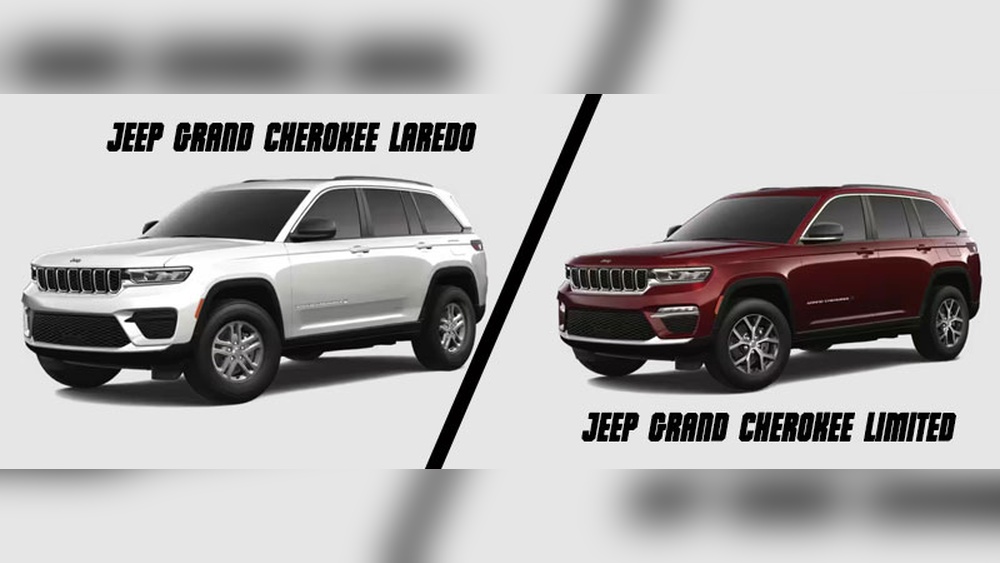
| Jeep Grand Cherokee | 24.6 |
The Wrangler’s tank is about average for a midsize SUV. It’s not the largest, but it’s more than enough for most adventures.
Tips To Maximize Your Wrangler’s Range
If you want to get the most miles from each tank, keep these tips in mind:
- Drive smoothly: Hard acceleration wastes fuel.
- Check tire pressure: Low tires increase fuel use.
- Travel light: Less weight means better MPG.
- Remove roof racks: Extra drag lowers efficiency.
- Plan routes: Avoid heavy traffic and steep hills when possible.
These habits can stretch your miles and save money over time.

Frequently Asked Questions
How Many Gallons Does A 2023 Jeep Wrangler Take?
The 2023 Jeep Wrangler comes in two main body styles: 2-door (17.5 gallons) and 4-door Unlimited (21.5 gallons).
Does The Rubicon Have A Different Tank Size?
No, the Rubicon trim usually shares the same tank size as other trims with the same body style. For example, the 4-door Rubicon uses a 21.5-gallon tank.
Can I Install A Larger Gas Tank On My Wrangler?
Yes, some aftermarket companies offer larger tanks for serious off-roading. However, installation can be complex and may affect your warranty. Always check with an expert before making changes.
How Far Can A Full Tank Take Me In A Wrangler?
On average, a full tank in a 4-door JL Wrangler (21.5 gallons) and 20 MPG gets you about 430 miles. Real range depends on driving style and conditions.
Where Can I Find Official Jeep Wrangler Specs?
For the most accurate details, visit the official Jeep website for the latest Wrangler specifications.
Whether you’re exploring trails or commuting to work, knowing your Jeep Wrangler’s fuel capacity helps you travel with confidence. With the right knowledge and habits, you can make every gallon go further.