When you buy a Jeep or plan an off-road adventure, one question often comes up: How many gallons does a Jeep have? This question matters because knowing your Jeep’s gas tank size helps you calculate driving range, plan trips, and avoid running out of fuel in remote areas.
However, not all Jeeps are the same. Different models and years have different tank sizes, and there are a few surprises that most drivers do not expect.
Let’s break down the details, see real examples, and help you understand your Jeep’s fuel capacity.
Jeep Fuel Tank Sizes By Model
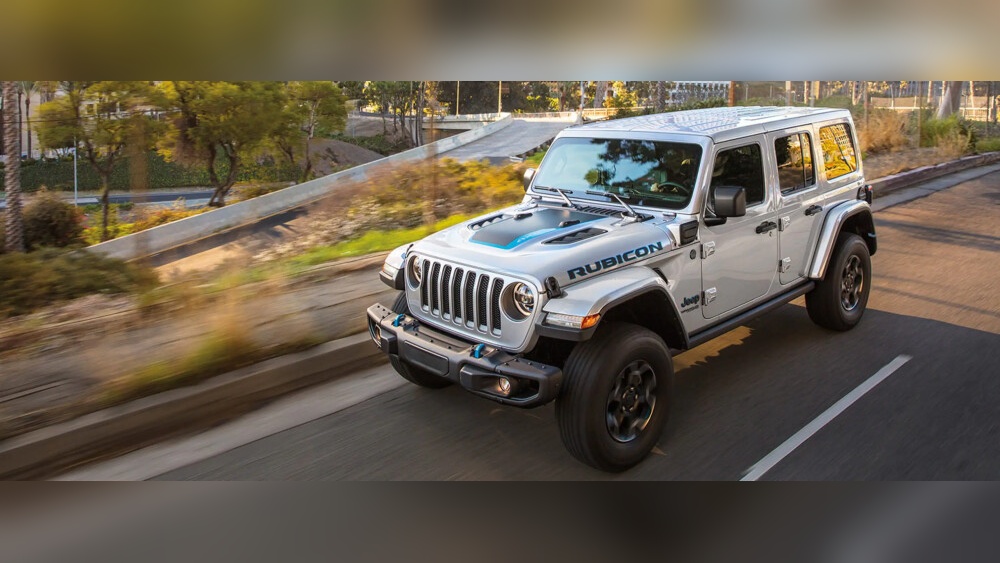
Jeep is famous for several models, from the classic Wrangler to the family-friendly Grand Cherokee. Each model has its own gas tank size.
Here is a closer look at the most popular Jeeps and their typical fuel capacities.
| Jeep Model | Years | Fuel Tank Size (Gallons) |
|---|---|---|
| Wrangler (2-door) | 2018–2024 | 17.5 |
| Wrangler (4-door) | 2018–2024 | 21.5 |
| Grand Cherokee | 2011–2024 | 24.6–24.8 |
| Compass | 2017–2024 | 13.5 |
| Cherokee | 2014–2023 | 15.8 |
| Gladiator | 2020–2024 | 22.0 |
| Renegade | 2015–2024 | 12.7 |
Most Jeep owners drive either a Wrangler or a Grand Cherokee. Notice that the Wrangler offers a bigger tank in the 4-door version, which surprises many first-time buyers. Smaller models, like the Renegade, have much less capacity, making them less ideal for long off-road trips.
Factors That Affect Jeep Fuel Capacity
Not every Jeep of the same model will have the exact same fuel capacity. Here are a few reasons why:
- Trim Level: Higher trims sometimes have larger tanks.
- Engine Type: Diesel models may use a different tank.
- Model Year: Jeep sometimes changes tank size with a redesign.
- Special Editions: Some off-road or export versions have different tanks.
For example, the Jeep Wrangler 4xe plug-in hybrid uses a smaller 17. 2-gallon tank because part of the space is needed for the battery.
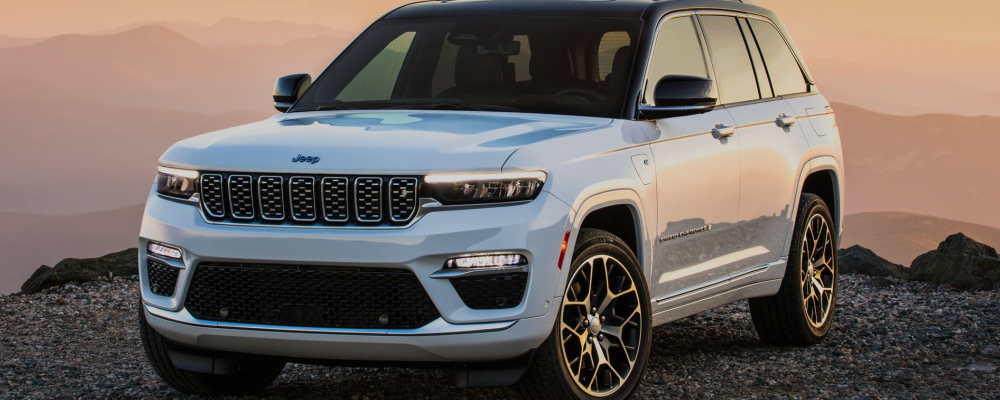
Comparing Jeep Fuel Range
The size of your gas tank is only part of the story. How far you can drive also depends on your miles per gallon (MPG). Let’s compare the fuel range for some popular models.
| Jeep Model | Tank Size (Gallons) | MPG (Combined) | Max Range (Miles) |
|---|---|---|---|
| Wrangler (4-door) | 21.5 | 20 | ~430 |
| Grand Cherokee | 24.6 | 22 | ~540 |
| Compass | 13.5 | 27 | ~365 |
| Gladiator | 22.0 | 19 | ~418 |
A larger tank does not always mean a longer driving range. For example, the Compass has a small tank but gets better mileage, so its range isn’t much less than the Gladiator.
Common Mistakes When Estimating Jeep Fuel Capacity
Many drivers assume the tank size is the same for every Jeep, or that “filling up” always means filling to the exact rated amount. Here are two mistakes beginners often make:
- Ignoring Usable Fuel: Some gas always remains at the bottom and cannot be used by the engine. Your “real” fuel capacity is usually 1–2 gallons less than the official number.
- Confusing Different Models: The Wrangler, Cherokee, and Grand Cherokee all sound similar, but their tanks are very different. Always check your exact model and year.
If you modify your Jeep with larger tires or a lift kit, your MPG can drop, reducing your practical range even if your tank size stays the same.
How To Check Your Jeep’s Exact Tank Size
If you’re unsure of your Jeep’s fuel capacity, there are a few ways to confirm it:
- Owner’s Manual: The easiest and most reliable source.
- Fuel Door: Some Jeeps list capacity on a sticker here.
- Online Resources: Official Jeep websites and trusted auto guides.
- VIN Lookup: Enter your Vehicle Identification Number on Jeep’s site.
Remember, a full tank rarely means you can use every gallon. If you often drive off-road, keep a margin for emergencies.
Tips For Managing Fuel On Long Jeep Trips
Running out of gas in a remote place is no fun. Here’s how to plan smart:
- Know Your Range: Multiply your MPG by your Jeep’s tank size.
- Carry Extra Fuel: Use approved gas cans, especially for off-road or desert trips.
- Plan Fuel Stops: Mark gas stations along your route, especially in rural areas.
- Watch the Weather: Cold or hot weather can affect your fuel efficiency.
If you’re heading into the wild, always bring extra supplies and tell someone your plans.
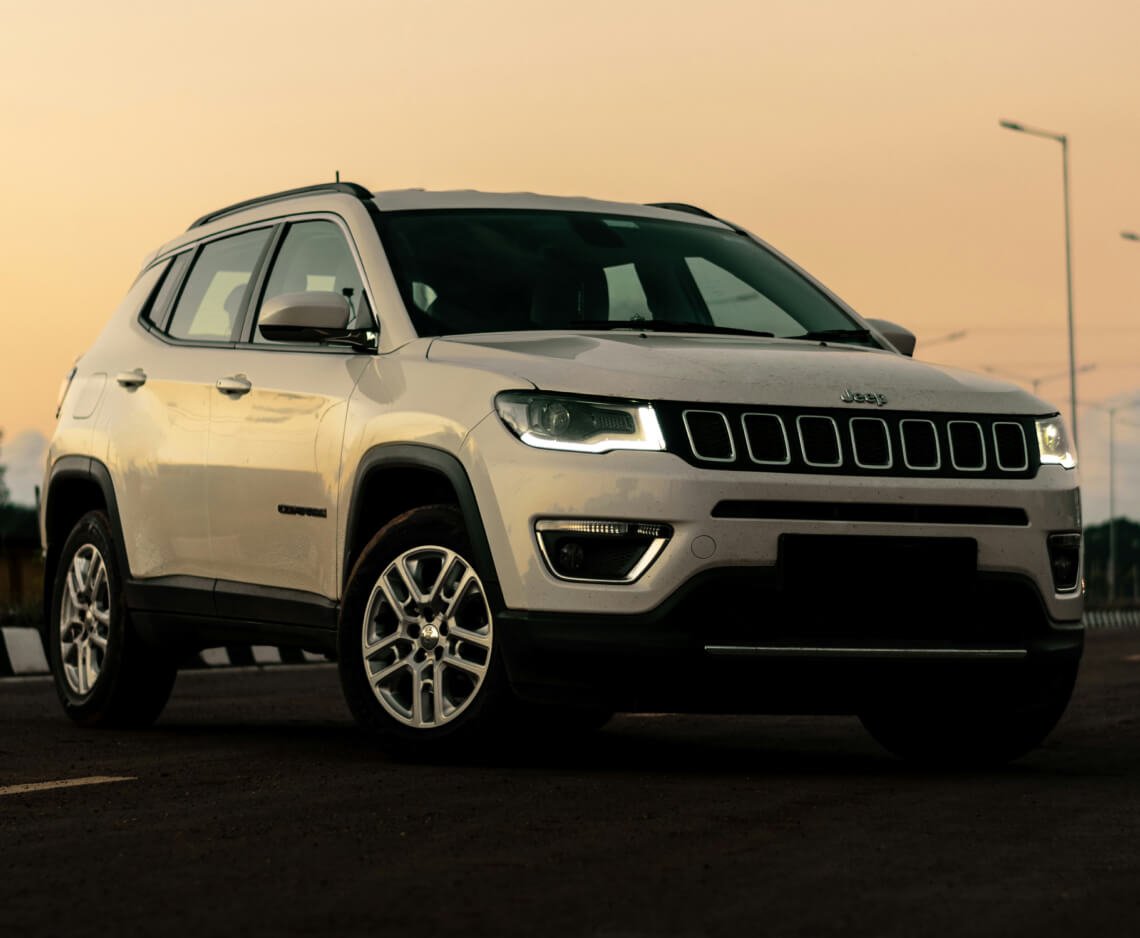
How Jeep’s Fuel Capacity Compares To Other Suvs
Compared to other popular SUVs, Jeep’s fuel tanks are usually mid-sized. For example, the Toyota 4Runner has a 23-gallon tank, while the Ford Explorer offers up to 20.
2 gallons. Jeep’s focus on off-road ability means a balance between tank size, ground clearance, and weight.
| Vehicle | Fuel Tank Size (Gallons) |
|---|---|
| Jeep Grand Cherokee | 24.6 |
| Toyota 4Runner | 23.0 |
| Ford Explorer | 20.2 |
| Honda Pilot | 19.5 |
Jeeps often offer larger tanks in their bigger models, which is helpful for long road trips or trails.
Frequently Asked Questions
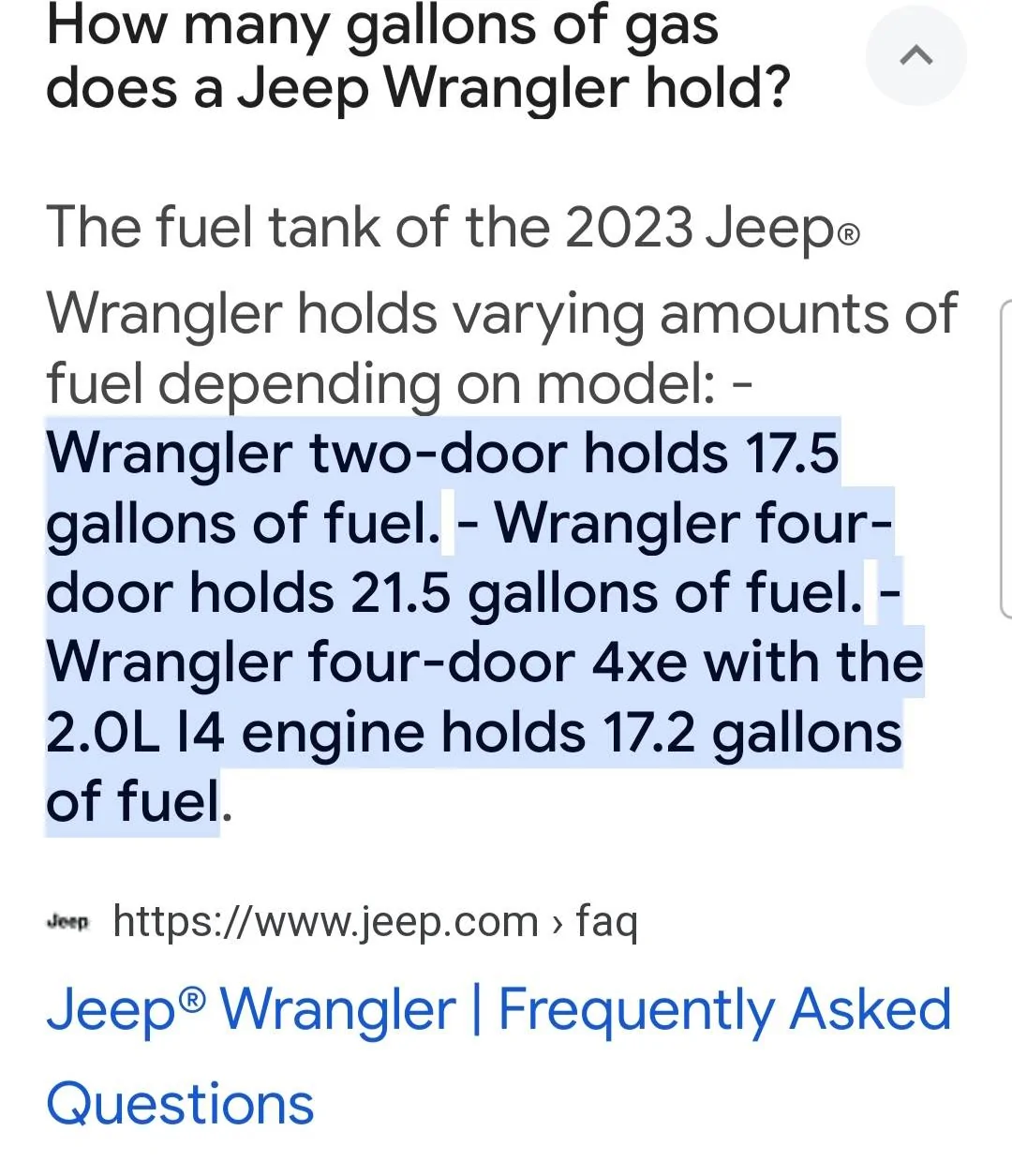
How Many Gallons Does A Jeep Wrangler Hold?
A Jeep Wrangler (2018 or newer) usually holds 17.5 gallons (2-door) or 21.5 gallons (4-door Unlimited). Older Wranglers may have different tank sizes.
How Far Can A Jeep Go On A Full Tank?
It depends on the model and driving conditions. For example, a Wrangler Unlimited can travel about 400–430 miles on a full tank, while a Grand Cherokee can reach over 500 miles with highway driving.
Does Every Jeep Model Have The Same Size Fuel Tank?
No, fuel tank size varies by model, year, and sometimes even trim. Always check your specific Jeep’s details before making plans.
Can I Add A Bigger Gas Tank To My Jeep?
Some drivers install aftermarket tanks for longer range, especially for off-roading. However, this can affect weight, emissions, and warranty. Research carefully before making changes.
Where Can I Find The Exact Fuel Tank Size For My Jeep?
Check your owner’s manual or the label inside your fuel door. You can also look up your Jeep’s specs online or contact your dealer for precise information. For more details, you can visit the official Jeep website.
Knowing your Jeep’s fuel capacity is key for safe, worry-free driving whether you’re on the highway or far off the beaten path. With a little planning, you can enjoy every mile without the stress of running low on gas.