The fuel-tank size of a Jeep Cherokee depends on the model year and market. For the current U.S.-market 2026 Jeep Cherokee, Jeep lists a 13.7-gallon fuel tank.
Older Cherokee generations do not all use the same tank, so the VIN and owner manual matter when you are calculating range or planning a repair.
Quick Answer
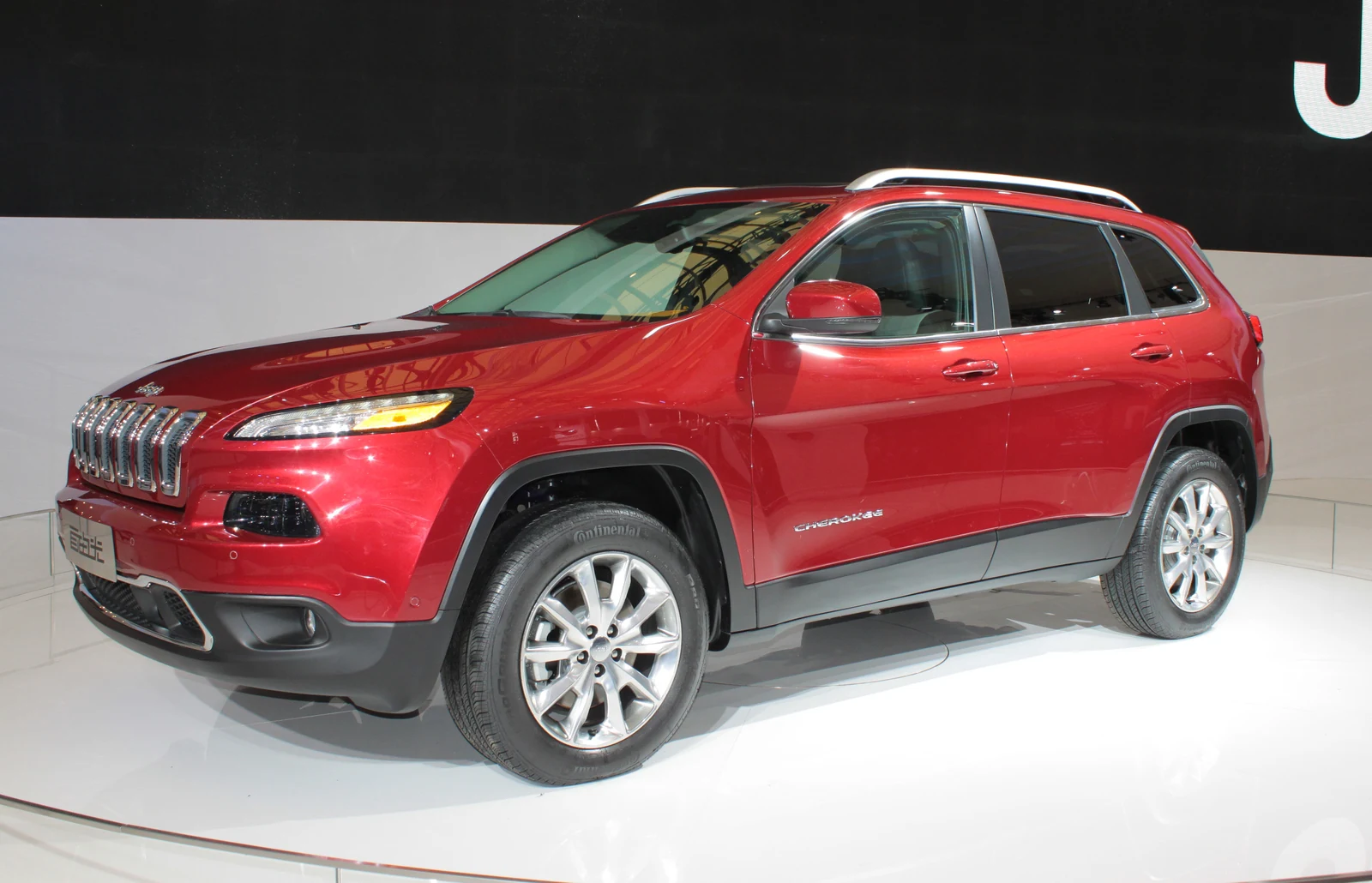
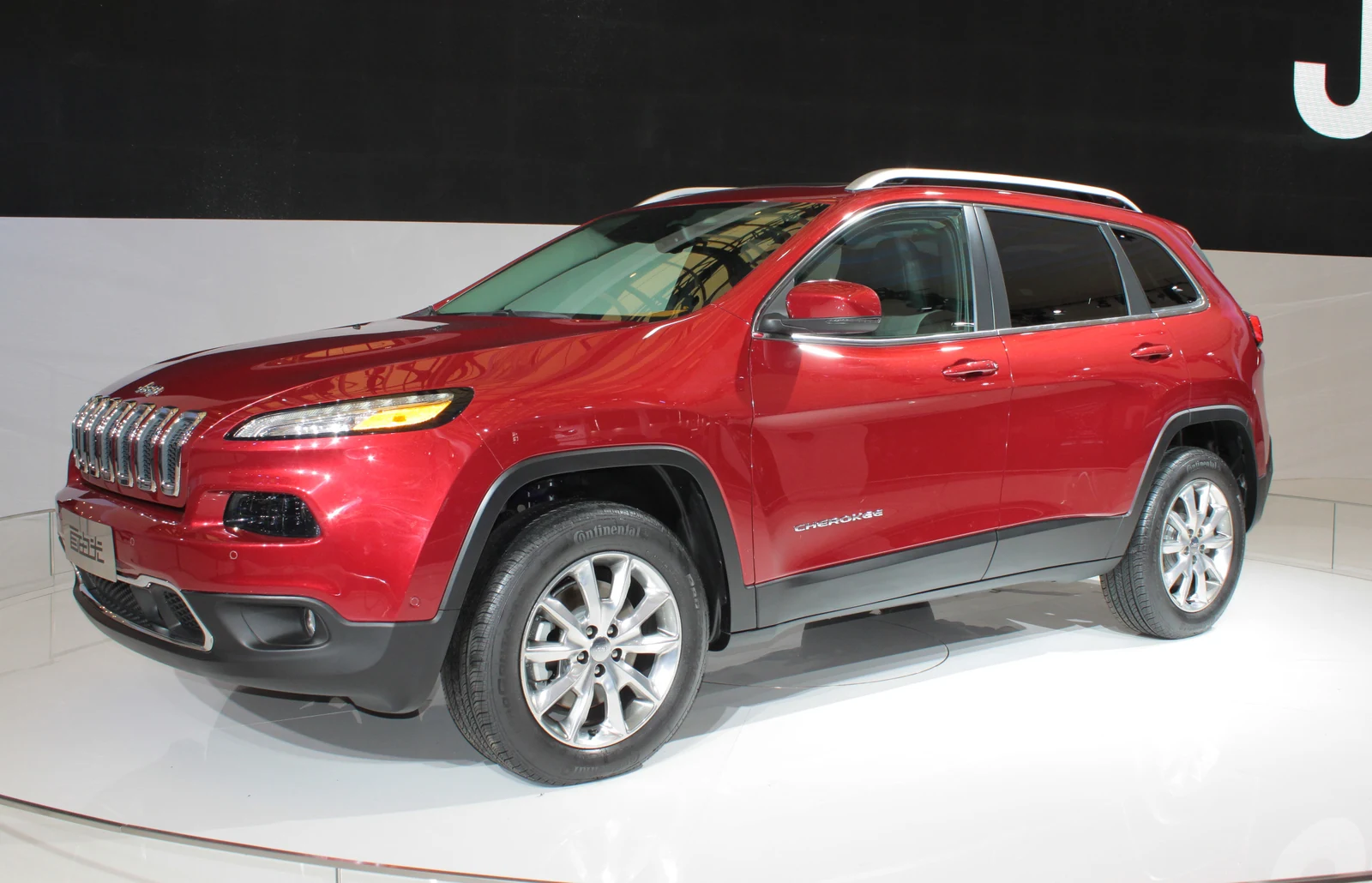
| Vehicle | Fuel-tank capacity | Source |
|---|---|---|
| 2026 Jeep Cherokee | 13.7 gallons | Official Jeep specifications |
If you own an older Cherokee, do not assume the 13.7-gallon figure applies. Look up the owner manual for your exact year or check the specifications tied to the VIN.
Why the Answer Changes by Year
The Cherokee name has covered different vehicle generations and powertrains. Tank design, packaging, emissions equipment and market configuration may change across those versions.
A capacity figure from a newer Turbo Hybrid Cherokee should not be copied onto an older KL or XJ-era vehicle.
How to Confirm Your Cherokee Fuel Capacity
- Write down the model year and VIN.
- Open the Mopar owner-manual portal and select the correct vehicle.
- Search the manual for “fuel tank capacity” or the technical-specifications section.
- Use the listed capacity for planning, not the amount added during a partial fill-up.
Why a Fill-Up May Be Smaller Than the Tank Rating
A driver rarely pumps the full rated capacity. Fuel remains in the tank when the warning light appears, and pump shutoff may vary with nozzle position, vehicle angle and refueling speed.
A 10-gallon receipt does not prove the vehicle has a 10-gallon tank.
Estimating Driving Range
Multiply the tank capacity by your measured fuel economy. A 13.7-gallon tank at 30 mpg gives a theoretical 411-mile figure.
Real range will be lower when traffic, idling, cold weather, cargo, towing or aggressive acceleration increase fuel use.
For the warning-light side of this question, read how to estimate miles remaining after a Jeep low-fuel warning.
Do Not Confuse Tank Capacity With Usable Refill Volume
The rated fuel-tank capacity describes the tank design. A pump receipt describes how much fuel entered during one visit.
Those numbers will differ unless the tank was nearly empty, the vehicle was level and the pump stopped consistently. Do not keep topping off after the nozzle clicks, because that can create emissions-system problems.
When Tank Size Matters
- Road-trip planning: Combine the correct tank capacity with your own recent mpg.
- Low-fuel estimates: Use the warning threshold from the owner guide, not a guess from another Jeep model.
- Fuel-pump repair: Order parts by VIN because tank and pump-module designs change.
- Used-vehicle research: Confirm the generation before comparing specifications.
A Better Way to Measure Real Range
Fill the tank until the pump shuts off normally, reset a trip meter, drive through a typical week and refill at the same station when practical. Divide miles driven by gallons added.
Repeat the process across several tanks. That average gives you a stronger planning number than a single dashboard estimate.
Frequently Asked Questions
Is the 2026 Cherokee tank the same as an older Cherokee tank?
No. The current 13.7-gallon figure belongs to the 2026 model. Older generations require their own specifications.
Why did my fill-up stop several gallons below the listed capacity?
Fuel was still in the tank when you arrived, or the nozzle stopped based on fuel movement in the filler neck. A smaller fill-up does not automatically indicate a tank problem.
Should I use the dashboard range as an exact promise?
No. Treat it as an estimate shaped by recent driving conditions. Plan conservatively when stations are far apart.
How to Use the Capacity Figure Correctly
Fuel-tank capacity is useful for trip planning, but it is not a target for every fill-up. The amount shown on a fuel receipt depends on how much fuel remained, when the pump clicked off, and whether the Cherokee was parked level.
Avoid repeatedly topping off after the nozzle stops, because extra fuel may affect the evaporative-emissions system.
| Number | What it means | Best use |
|---|---|---|
| Rated tank capacity | The design capacity listed for the vehicle | Planning maximum theoretical range |
| Refill volume | Fuel added during one station visit | Calculating real fuel economy |
| Low-fuel warning range | An estimate that changes with driving conditions | Finding a station soon, not delaying the stop |
Calculate Real-World Range From Your Own Data
Use several full-tank cycles instead of one optimistic trip. Record miles driven and gallons added, then divide miles by gallons.
Multiply your measured mpg by the correct tank capacity for a rough upper limit. Build in a reserve for traffic, hills, idling, weather, and detours.
For example, two Cherokees with the same tank may deliver different practical range when one spends most of its time in city traffic and the other travels on open highways. Cargo, tire pressure, roof racks, and driving style also change the result.
When to Investigate an Unusual Fill-Up
A single small fill-up usually means fuel remained in the tank. Repeatedly unusual behavior deserves more attention.
If the gauge drops suddenly, the warning appears too early, or the pump stops after only a small amount every time, check the owner manual and have the fuel-level sending system inspected.
Do not diagnose a tank-size problem from the dashboard display alone. Compare several fill-ups, note the gauge position, and look for a consistent pattern.
Planning Fuel Stops on a Long Trip
Do not plan a route around the absolute maximum tank range. Use your measured highway mpg, then subtract a practical reserve.
Rural routes, winter travel, heavy traffic, and late-night driving deserve earlier stops because the next station may be closed or far from the highway.
A conservative plan also reduces stress when detours appear. Navigation apps help, but a fuel stop chosen with 50 or 60 miles remaining gives you more options than one chosen after the warning light has been on for a long time.
Fuel Economy Tracking Template
| Fill-up detail | What to record | Why it helps |
|---|---|---|
| Odometer or trip miles | Miles driven since the previous full fill | Creates the numerator for mpg |
| Gallons added | Fuel shown on the receipt | Creates the denominator for mpg |
| Driving type | City, highway, mixed, towing, or winter use | Explains large changes between tanks |
| Dashboard warning behavior | Gauge position and miles-to-empty when the warning appeared | Helps identify inconsistent readings |
Questions to Answer Before a Road Trip
- Which Cherokee generation and model year do you own?
- What fuel economy has the Jeep delivered over the last three fill-ups?
- Will the route include city traffic, mountain grades, or long rural stretches?
- Are roof racks, cargo, or towing likely to reduce range?
- Where are the reliable fuel stops along the route?
Answering those questions gives you a practical route plan. The tank-capacity figure is only one part of the calculation.
Your own measured mpg and the availability of stations matter just as much.
- How Many Gallons Does A Jeep Grand Cherokee Hold
- How Many Gallons Does A Jeep Compass Hold
- How To Drain Jeep Cherokee Fuel Tank
Final Takeaway
The current 2026 Jeep Cherokee holds 13.7 gallons according to Jeep. For any other Cherokee, verify the exact year and VIN before using a capacity figure for range planning, fuel-system work or parts ordering.