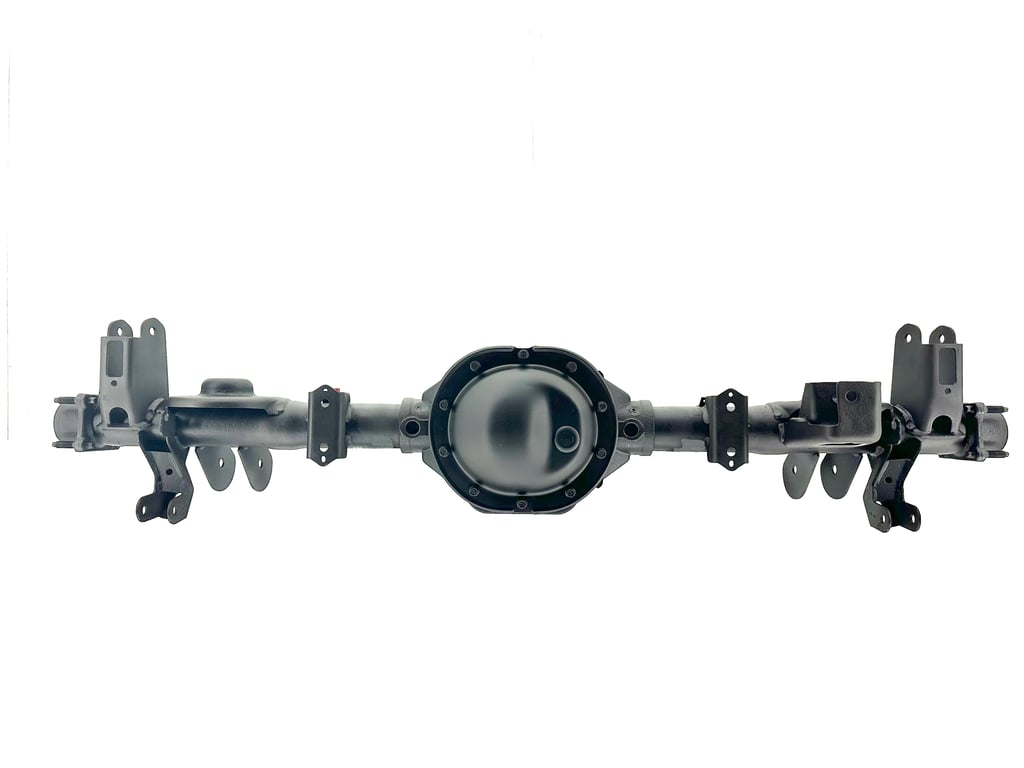
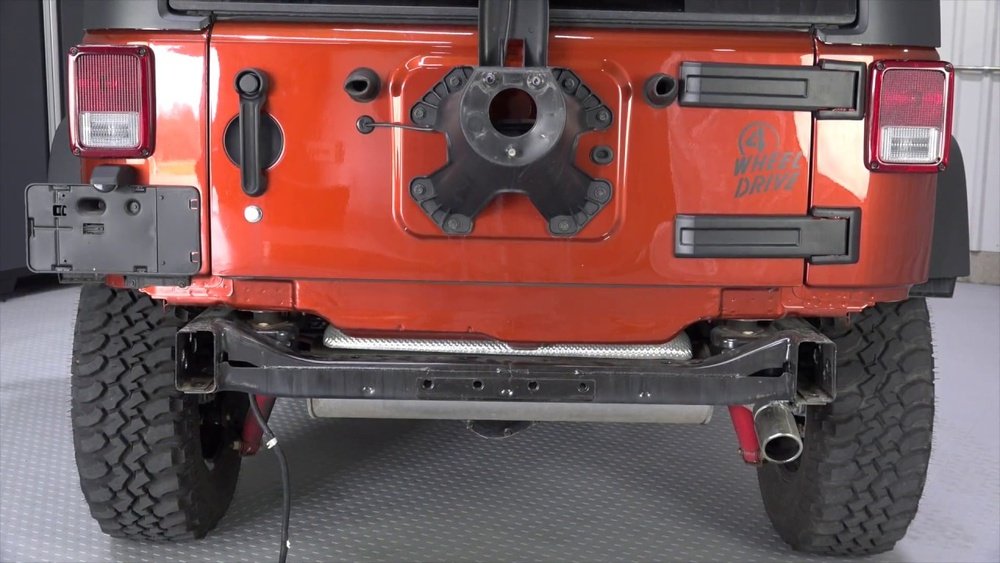
The Jeep Liberty is a popular compact SUV that first appeared in the early 2000s. Known for its rugged design and off-road capability, the Liberty has drawn interest from many drivers who want a reliable vehicle for both city streets and rough terrain.
A common question among buyers and owners is: *How many axles does a Jeep Liberty have? * Understanding the axle setup not only helps with maintenance but also affects how the vehicle handles, tows, and performs off-road.
Let’s explore this in detail, with some practical advice for anyone interested in the Jeep Liberty.
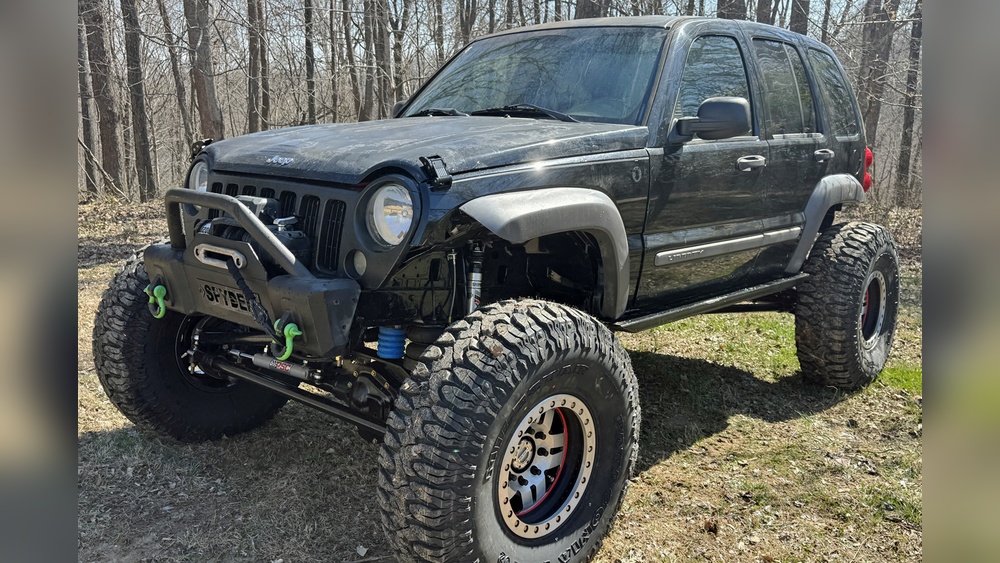
Axle Basics: What You Need To Know
An axle is a central shaft for a rotating wheel or gear. In vehicles, axles support the weight, connect the wheels, and allow them to turn. Most vehicles have at least two axles—one in the front and one in the rear. The number of axles can change in trucks, buses, or specialized vehicles, but passenger SUVs like the Jeep Liberty usually follow a simple pattern.
There are two main types of axles in cars and SUVs:
- Front axle: Supports the front wheels and, in many cases, handles steering.
- Rear axle: Supports the rear wheels and may deliver power, especially in rear-wheel or four-wheel drive vehicles.
Some vehicles have independent suspension, which means each wheel has its own small axle shaft, but the main axles are still counted as front and rear.
How Many Axles Does A Jeep Liberty Have?
All model years of the Jeep Liberty—from its debut in 2002 until its final year in 2012—come with two main axles. This means there is one axle in the front and one in the rear. This setup is true for both the first-generation (KJ, 2002–2007) and second-generation (KK, 2008–2012) models.
Here’s a breakdown of the Jeep Liberty’s axle setup:
| Model Year | Axle Count | Axle Type |
|---|---|---|
| 2002–2007 (KJ) | 2 | Solid rear, independent front |
| 2008–2012 (KK) | 2 | Solid rear, independent front |
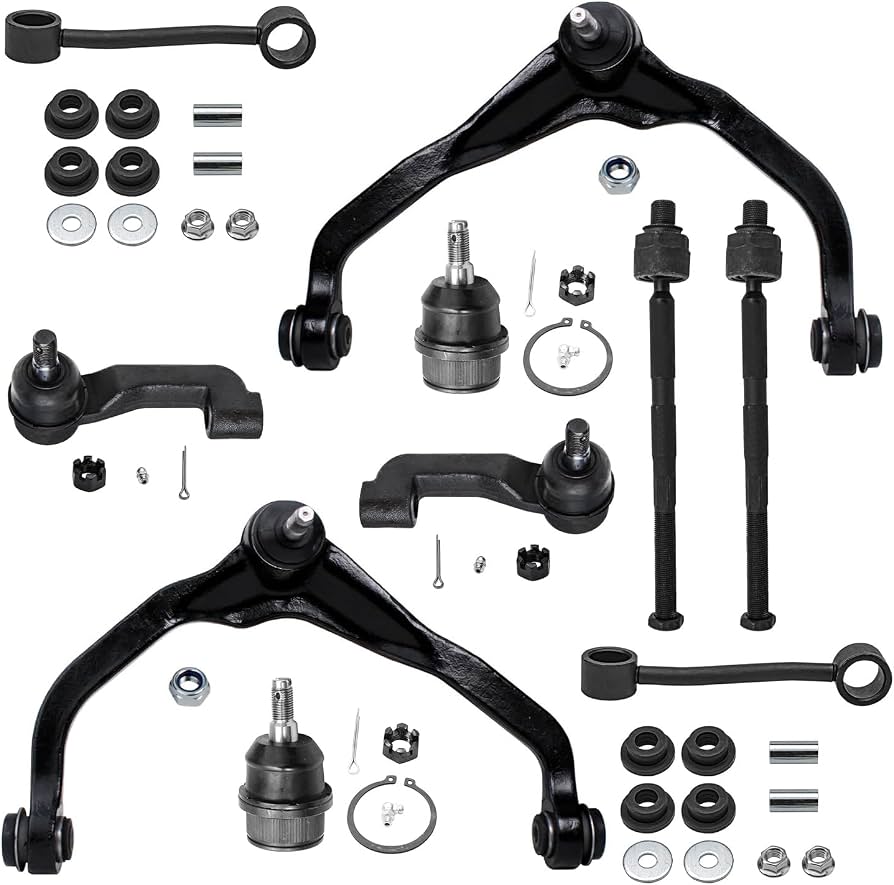
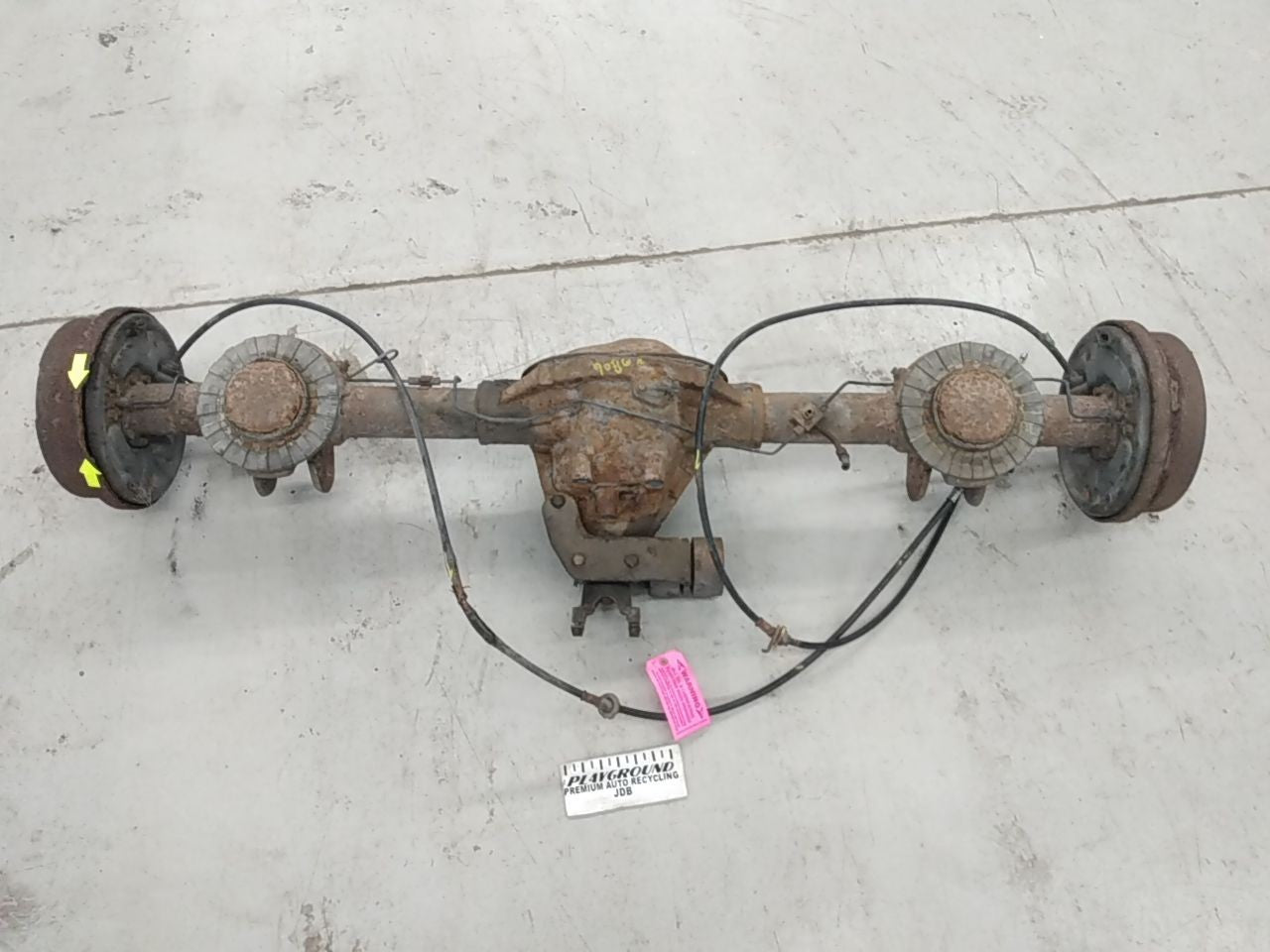
Both generations use a solid rear axle for strength and durability, which is great for off-road driving. The independent front suspension helps with a smoother ride and better control on paved roads.
4wd, 2wd, And Axles: What’s The Difference?
The Jeep Liberty was available in both two-wheel drive (2WD) and four-wheel drive (4WD) versions. However, the number of axles does not change based on the drivetrain. Both versions have two main axles.
- In 2WD models, only the rear axle receives power from the engine.
- In 4WD models, a transfer case sends power to both the front and rear axles, improving traction.
You might hear terms like “driveshaft” or “half-shaft. ” These are parts that connect to the main axles but do not count as additional axles.
Why Axle Count Matters For Jeep Liberty Owners
Knowing your vehicle’s axle setup is useful for several reasons:
- Maintenance: Understanding where your axles are located helps with identifying noises, leaks, or wear during routine checks.
- Tire Rotations: Axle layout can affect how tires should be rotated for even wear.
- Towing and Payload: The Liberty’s two-axle setup means it can tow moderate loads—up to 5,000 lbs depending on the model year and engine—but is not designed for heavy-duty hauling like larger trucks.
- Off-Roading: The solid rear axle provides strength for off-road adventures. If you plan to modify your Liberty for trails, knowing you have a two-axle system helps with choosing the right lift kits or suspension upgrades.
Jeep Liberty Vs. Other Suvs: Axle Comparison
How does the Jeep Liberty’s axle setup compare to other popular SUVs? Here’s a quick comparison:
| Vehicle | Axle Count | Notes |
|---|---|---|
| Jeep Liberty | 2 | Solid rear, independent front |
| Toyota RAV4 | 2 | Independent front & rear |
| Ford Explorer | 2 | Independent front & rear |
| Chevrolet Tahoe | 2 | Solid rear, independent front |
Most compact and midsize SUVs use two axles. Larger vehicles (like some pickup trucks or commercial vans) may have more, especially if designed for heavy loads.
Axle Identification And Common Mistakes
Many new Jeep Liberty owners confuse axles with driveshafts or CV joints. Here’s how to avoid this mistake:
- Axle: The main shaft connecting the left and right wheels.
- Driveshaft: Transmits power from the engine to the axle (usually from front to rear in 4WD).
- CV Joint: A flexible joint in the axle that allows it to move with the suspension.
It’s also common to think that 4WD or all-wheel drive means more axles. In reality, these systems use the same two axles but may include extra components like a transfer case or additional differentials.
Practical Tips For Jeep Liberty Axle Care
Taking care of your Jeep Liberty’s axles doesn’t have to be complicated. Here are a few tips:
- Inspect for leaks: Check around the axle seals for oil leaks, especially if you drive off-road.
- Listen for noises: Clicking or clunking sounds when turning may signal worn CV joints or bearings.
- Check alignment: Uneven tire wear can mean axle or suspension issues.
- Regular lubrication: Some axle components need grease. Follow your owner’s manual for service intervals.
A non-obvious tip: If you plan to lift your Jeep Liberty for better ground clearance, always check if your axle angles are still within safe limits. Extreme angles can cause early wear.
Axle Upgrades And Modifications
For those who love modifying their vehicles, the Jeep Liberty’s two-axle design gives a good starting point. Many off-road enthusiasts upgrade the rear axle for extra strength or add skid plates for protection. However, keep in mind that major axle changes can affect your vehicle’s handling and warranty.
A second insight: If you switch to larger tires, your axles will experience more stress. It’s wise to inspect them more often if you make these changes.