Owning a Jeep Cherokee means you want reliability, especially when it comes to the electrical system. The alternator is a key part. It provides power to the battery and all electronics while the engine runs. But how many amps does a Jeep Cherokee alternator really produce? Understanding this can help you diagnose issues, plan upgrades, and avoid electrical surprises.
Jeep Cherokee Alternator Amperage: Quick Overview
The amp rating of a Jeep Cherokee alternator depends on the model year, engine type, and trim. Most Cherokees use alternators rated from 90 amps up to 180 amps. The actual rating affects how well your Jeep supports extra accessories like lights, sound systems, or towing gear.
Here’s a simple breakdown:
| Model Year | Engine Type | Alternator Amps |
|---|---|---|
| 1997-2001 | 4.0L I6 | 90-117 |
| 2014-2021 | 2.4L I4 | 160 |
| 2014-2021 | 3.2L V6 | 180 |
Older Cherokees have lower amp alternators, while new models have higher amps to support modern features. Always check your exact model for accurate data.
Why Alternator Amps Matter
The alternator’s amp rating shows how much electrical current it can supply. If you add extra electronics like off-road lights, winches, or a bigger sound system, you need more amps.
- Low amp alternator: Might struggle with heavy electrical loads. This can cause battery drain or weak headlights.
- High amp alternator: Handles more devices at once. Useful for towing, winter driving, and custom upgrades.
A common mistake is assuming all Jeep Cherokees use the same alternator. They don’t.
Adding too many accessories to a low-amp alternator can lead to trouble.
Factory Alternator Ratings By Generation
Jeep Cherokee alternators have changed with each generation. Here’s a comparison of factory ratings for popular models:
| Generation | Years | Standard Amps | Optional Amps |
|---|---|---|---|
| XJ | 1984-2001 | 90 | 117 |
| KJ | 2002-2007 | 136 | 160 |
| KL | 2014-present | 160 | 180 |
Optional alternators are often included in towing packages or high-end trims.
Common Upgrades And Aftermarket Options
Many Jeep owners upgrade their alternators. If you need more power, aftermarket alternators are available with 200+ amps. This is popular for:
- Off-road setups with extra lights
- Heavy-duty winches
- Custom sound systems
But bigger isn’t always better. If you don’t use extra accessories, a higher amp alternator won’t improve performance.
It’s a myth that “more amps” always means “better. ” Match the alternator’s rating to your needs.
Signs Your Alternator Isn’t Enough
Some signs your alternator amperage is too low:
- Dim lights when using multiple accessories
- Battery warning light flickering
- Slow power windows
- Electrical devices cutting out or acting strange
If you notice these, test your alternator output or ask a mechanic to check it.
How To Check Your Jeep Cherokee Alternator Amps
Finding your alternator’s amp rating is easy:
- Look for a label or sticker on the alternator itself.
- Check your owner’s manual.
- Search online for your year, engine, and trim.
If you replace your alternator, use the same amp rating or higher but never lower. Using a lower amp alternator can damage your battery and electronics.
Real-world Example: Upgrading For Off-road
Suppose you have a 2014 Jeep Cherokee Trailhawk with a 3.2L V6 engine. You want to add a winch and extra lights. Your stock alternator is rated at 180 amps. If your accessories draw more than 120 amps combined, you’re close to the limit. Upgrading to a 220-amp alternator gives you peace of mind.
But don’t forget: wiring and battery quality matter, too. A high-amp alternator can’t fix weak wires or an old battery.
Comparison: Cherokee Vs. Other Suvs
How does the Jeep Cherokee alternator compare to other popular SUVs?
| Vehicle | Engine | Alternator Amps |
|---|---|---|
| Jeep Cherokee (KL) | 3.2L V6 | 180 |
| Ford Escape | 2.0L I4 | 150 |
| Toyota RAV4 | 2.5L I4 | 130 |
| Honda CR-V | 1.5L I4 | 120 |
Cherokee alternators are stronger than most rivals, especially in newer models.
Tips For Choosing The Right Alternator
Choosing the right alternator isn’t just about amps. Here are practical tips:
- Check your electrical needs: Add up the amps needed for all accessories.
- Consider driving conditions: Cold weather and towing demand more power.
- Buy from trusted brands: Cheap alternators can fail quickly.
- Consult a mechanic: If unsure, get advice on the best rating.
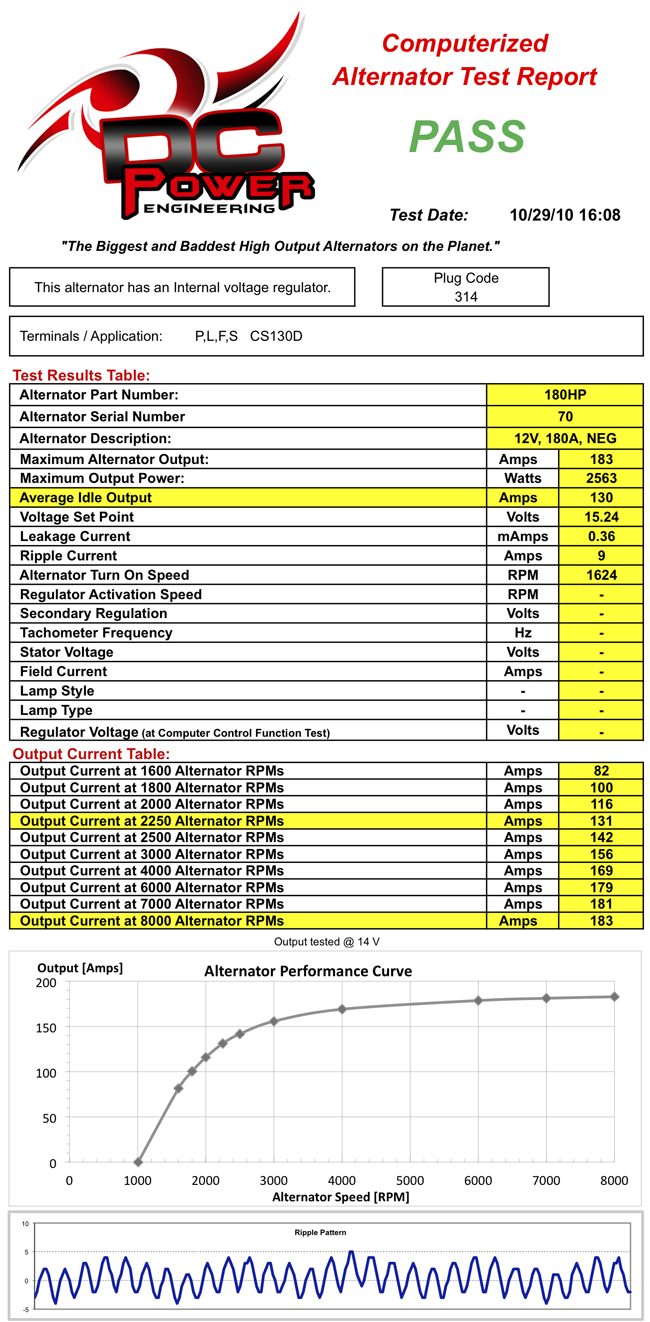
A non-obvious insight: The alternator’s maximum output is only reached at higher RPMs. At idle, the amp output drops—so plan for worst-case scenarios, not just peak numbers.
Frequently Asked Questions
How Many Amps Does A 1997 Jeep Cherokee Alternator Produce?
A 1997 Jeep Cherokee with a 4.0L engine usually has a 90-117 amp alternator. The exact rating depends on trim and options.
Can I Install A Higher Amp Alternator In My Jeep Cherokee?
Yes, you can upgrade to a higher amp alternator. Make sure your wiring and battery can handle the extra current. Upgrading is safe if you use quality parts.
What Happens If My Alternator Amps Are Too Low?
Low amps mean your alternator can’t supply enough power. This can cause battery drain, dim lights, and weak electronics.
Is A Higher Amp Alternator Better For Off-road?
For off-road, a higher amp alternator is recommended, especially if you use winches and extra lights. It keeps everything running reliably.
How Do I Find My Jeep Cherokee Alternator’s Amp Rating?
Check the alternator label, owner’s manual, or search online by year and engine. For detailed specs, you can check Jeep’s official site.
Jeep Cherokee alternators are designed for everyday needs, but knowing their amp rating lets you plan upgrades, avoid electrical issues, and get the most from your SUV. Whether you use your Cherokee for daily driving or adventure, the right alternator amps make a big difference.