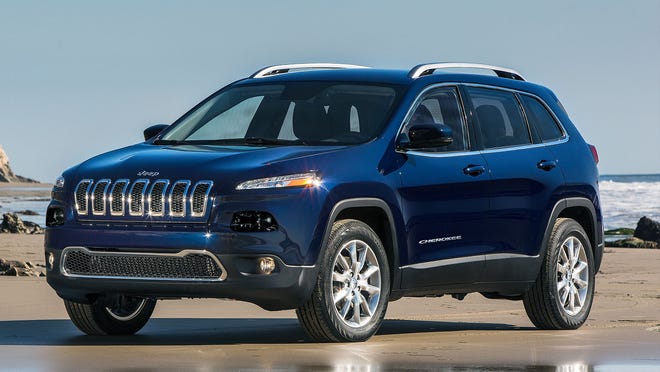
Jeep is one of the most recognizable vehicle brands in the world. Its boxy shape, rugged performance, and adventurous image have made it a symbol of off-road freedom.
But how long has Jeep been around? The answer might surprise you, as Jeep’s history stretches back further than many people realize.
Understanding the origins and evolution of Jeep not only gives insight into a famous brand, but also tells the story of automotive innovation and American culture.
The Birth Of Jeep: Wartime Beginnings
Jeep’s story begins during World War II. In 1940, the United States Army needed a new kind of vehicle: small, light, and tough enough for battlefields. The military called for a prototype, and several companies responded.
A small company called Bantam created the first design. However, Bantam was too small to build the large number of vehicles the Army needed. So, two larger companies, Willys-Overland and Ford, joined the effort. Both improved Bantam’s original design and produced their own models, known as the Willys MB and Ford GPW.
By 1941, the Army chose the Willys MB as its main light military vehicle. This year, 1941, is often called the official “birth year” of Jeep. Over 600,000 Jeeps were built during the war, and soldiers quickly grew to trust their reliability and versatility.
Jeep In The Postwar World
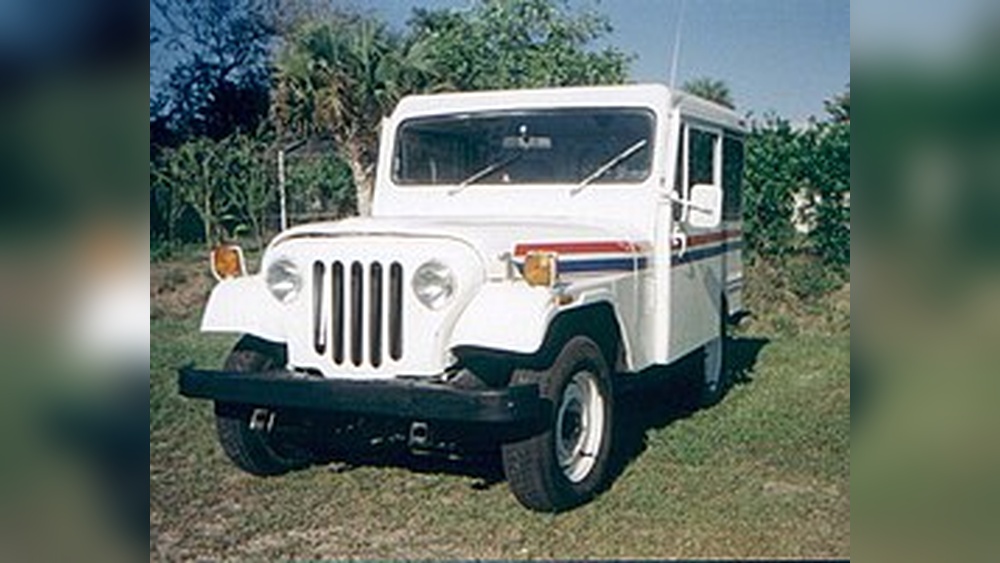
After World War II, Willys-Overland saw the potential for Jeep in civilian life. In 1945, they launched the CJ-2A, the first civilian Jeep. “CJ” stands for “Civilian Jeep.” It kept the tough, simple qualities of the military version but was adapted for farmers, workers, and everyday drivers.
The Jeep brand changed hands several times after the war:
- Kaiser Motors bought Willys-Overland in 1953.
- In 1970, American Motors Corporation (AMC) acquired Jeep.
- In 1987, Chrysler bought AMC, bringing Jeep into its lineup.
Each owner added new models and features, but Jeep’s core image of adventure never changed.
How Jeep Changed Over Time
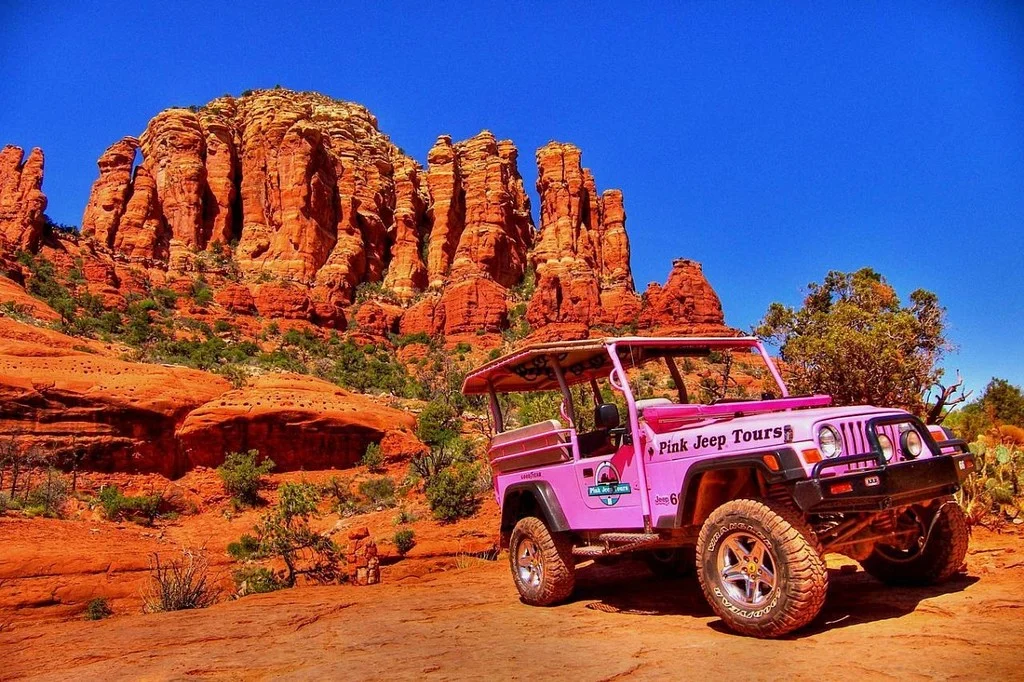
Jeep’s lineup has grown from one military vehicle to a full family of SUVs and trucks. Here’s a quick look at some key milestones:
| Year | Model/Change | Significance |
|---|---|---|
| 1941 | Willys MB | First official Jeep in WWII |
| 1945 | CJ-2A | First civilian Jeep |
| 1963 | Jeep Wagoneer | First luxury 4×4 SUV |
| 1984 | Jeep Cherokee (XJ) | Pioneered modern SUV design |
| 2021 | Jeep Grand Wagoneer | Return of luxury SUV |
Jeep has always adapted to new needs, from rural work to family travel to high-end comfort. However, the brand’s rugged DNA remains unchanged.
Jeep’s Influence On Suvs And Off-road Vehicles
Jeep did not just create a vehicle; it helped invent a whole category. The modern SUV traces its roots to early Jeeps. Before Jeep, few vehicles could handle both city streets and rough terrain.
Let’s see how Jeep compares to other major SUV brands today:
| Brand | Founded | First SUV | Famous Model |
|---|---|---|---|
| Jeep | 1941 | CJ-2A (1945) | Wrangler |
| Land Rover | 1948 | Land Rover Series I (1948) | Defender |
| Toyota | 1937 | Land Cruiser (1951) | Land Cruiser |
| Ford | 1903 | Bronco (1966) | Bronco |
Jeep’s early start gave it a head start in developing 4×4 technology and off-road innovation.
Key Reasons For Jeep’s Longevity
Why has Jeep lasted so long—over 80 years and counting? Here are a few reasons:
- Unique design: The boxy Jeep shape stands out and is instantly recognizable.
- Tough performance: Jeeps are famous for handling mud, rocks, snow, and sand.
- Strong brand image: Jeep means adventure, freedom, and outdoor fun.
- Constant innovation: Jeep adds new features, like hybrid engines, without losing its core appeal.
One point many beginners miss is Jeep’s community. Owners often join Jeep clubs, attend events, and take part in off-road adventures together. This sense of belonging keeps interest alive, even as trends change.
Another hidden factor: Jeep’s simple engineering makes it easier to repair and customize. Many owners upgrade their Jeeps with new tires, lift kits, and accessories. This “do-it-yourself” culture helps keep old Jeeps running for decades.
Jeep Today: Global Reach And Modern Models
Jeep is now a global brand. It sells vehicles in over 140 countries. The most popular models today include:
- Jeep Wrangler: Direct descendant of the original Jeep, famous for its removable doors and roof.
- Jeep Grand Cherokee: Combines off-road ability with luxury and comfort.
- Jeep Gladiator: A pickup truck with classic Jeep style.
Here’s a quick comparison of current Jeep models:
| Model | Type | Seats | Main Feature |
|---|---|---|---|
| Wrangler | Off-road SUV | 4-5 | Convertible roof, extreme 4×4 |
| Grand Cherokee | Mid-size SUV | 5-7 | Luxury interior, powerful engines |
| Gladiator | Pickup truck | 5 | Truck bed, off-road focus |
| Renegade | Subcompact SUV | 5 | Urban design, compact size |
Jeep continues to add new tech, like hybrid and electric options, to stay current with today’s market.