How Long Does A Jeep Liberty Last
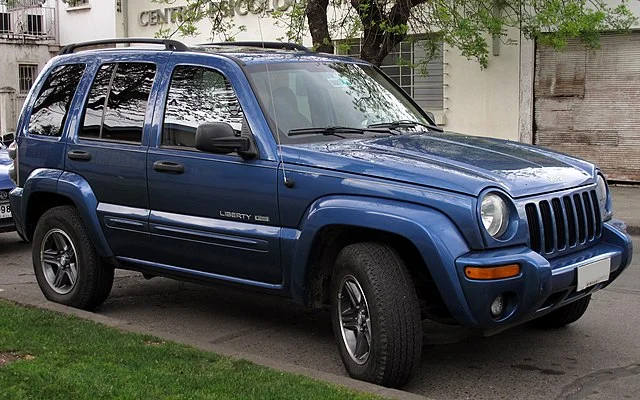
If you’re thinking about buying a Jeep Liberty, or you already own one, you probably wonder how long it can last. The Jeep Liberty has a loyal following because of its rugged design and off-road ability, but longevity is a big question for any vehicle. Let’s look at what real owners experience, what affects the lifespan of a Jeep Liberty, and how you can help your Jeep go the distance.
Typical Lifespan Of A Jeep Liberty
Most Jeep Liberty models can last between 200,000 and 300,000 miles with good care. That’s about 12 to 17 years for the average driver who puts on 12,000–15,000 miles per year. Some owners report pushing their Jeep Liberty past 300,000 miles, but that’s rare and usually needs top-notch maintenance.
Here’s a quick overview of average lifespan compared to other SUVs:
| Vehicle Model | Average Lifespan (Miles) |
|---|---|
| Jeep Liberty | 200,000–300,000 |
| Honda CR-V | 250,000–350,000 |
| Toyota RAV4 | 250,000–300,000 |
| Ford Escape | 200,000–250,000 |
You can see the Jeep Liberty is competitive with other SUVs, but Japanese models like the CR-V and RAV4 may go a bit farther on average.
Factors That Affect Jeep Liberty Longevity
Maintenance
Regular maintenance is the number one factor in how long a Jeep Liberty lasts. Oil changes, brake checks, and other routine services keep the engine and transmission healthy. Skipping these can lead to big problems.
Driving Conditions
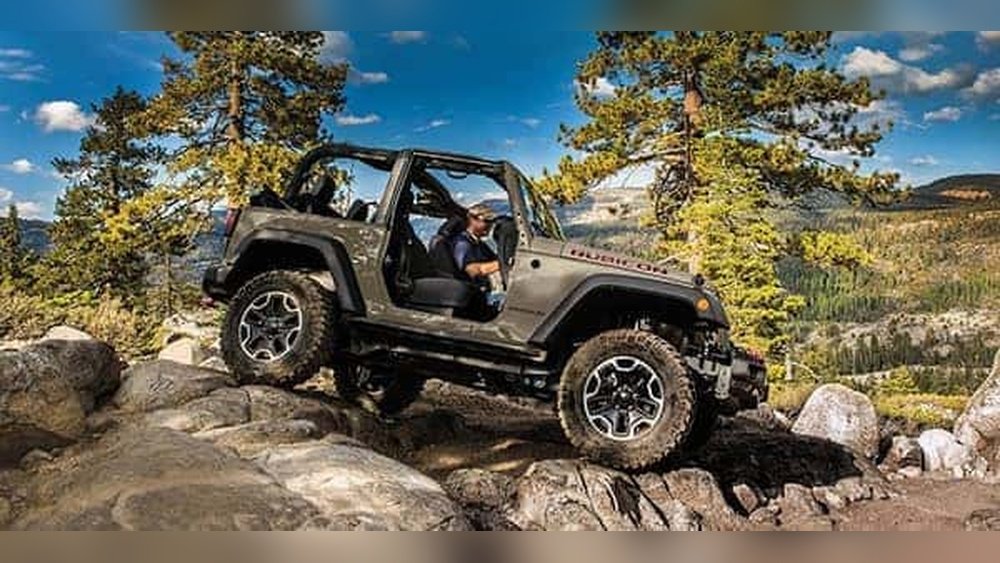
If you drive mostly on smooth highways, your Liberty will likely last longer than one used for frequent off-roading or towing. Off-road use puts extra stress on the suspension, transmission, and undercarriage.
Model Year And Generation
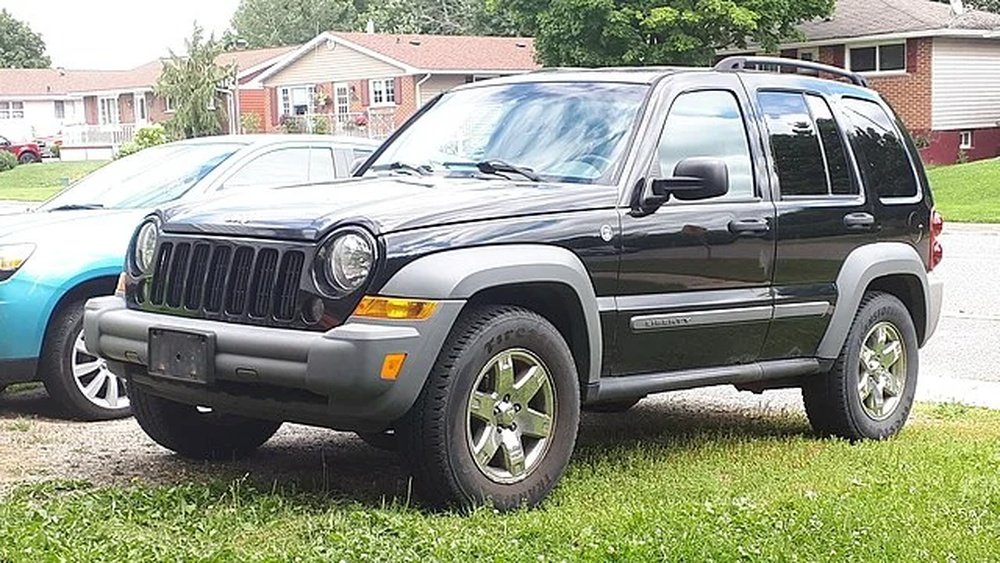
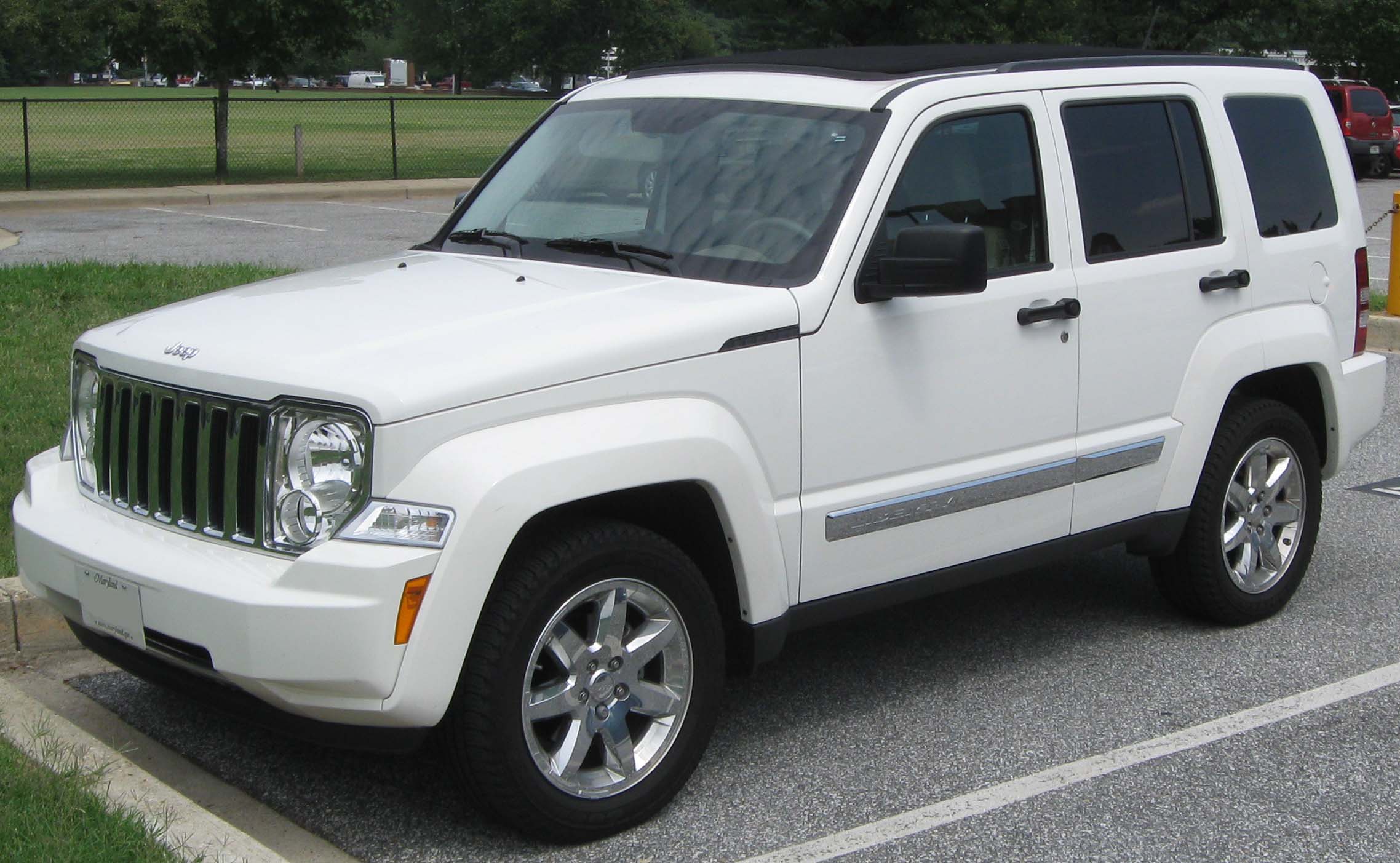
The Jeep Liberty was made from 2002 to 2012. Some years are known for being more reliable than others. For example, the 2008 and 2012 models often score higher for reliability.
| Model Year | Reliability Rating |
|---|---|
| 2002-2007 (KJ) | Average |
| 2008-2012 (KK) | Above Average |
Choosing a later model can sometimes mean fewer repairs and a longer life.
Climate
Regions with harsh winters or lots of road salt can lead to rust, especially underneath the vehicle. Rust can affect the frame, brake lines, and suspension, leading to expensive repairs.
Owner Care
A careful owner who fixes small problems quickly will get more years from their Jeep. Neglecting strange noises or warning lights can shorten the vehicle’s lifespan.
Common Problems And Repairs
Every vehicle has weak spots. The Jeep Liberty is no different. Here are some issues you should know about:
- Window Regulators – Many owners report that windows stop working or fall into the door. Replacing a window regulator usually costs $200–$300.
- Transmission Issues – Some Libertys, especially older models, can develop transmission problems around 100,000 miles. Catching these early can prevent a full rebuild.
- Suspension Wear – Ball joints and control arms may wear out faster, especially with off-road use.
- Cooling System Leaks – Radiator and water pump issues are not uncommon after 120,000 miles.
Here’s a look at repair costs for major components:
| Component | Average Repair Cost |
|---|---|
| Transmission | $1,500–$3,500 |
| Window Regulator | $200–$300 |
| Water Pump | $350–$600 |
| Ball Joints | $300–$600 |
An important insight: Addressing small repairs early can prevent much bigger costs later. For example, fixing a small transmission leak right away is much cheaper than waiting until the whole unit fails.
How To Make Your Jeep Liberty Last Longer
Want your Liberty to reach 300,000 miles? Here’s what experienced owners recommend:
- Follow the maintenance schedule in your owner’s manual. Don’t skip oil changes, even if the engine “sounds fine.”
- Check for rust under the vehicle, especially if you live in a snowy climate. Wash the undercarriage during winter.
- Use quality fluids and parts. Cheap oil or off-brand parts can lead to breakdowns.
- Fix issues quickly. If you notice new noises, warning lights, or changes in how the car drives, get it checked right away.
- Limit heavy towing and extreme off-roading if possible. These stress the drivetrain and suspension.
A less obvious tip: Store your Jeep in a garage if you can. Sun, rain, and snow all accelerate aging, especially for rubber parts and the paint.

Is A Used Jeep Liberty A Good Buy?
The Jeep Liberty is a solid choice if you want a capable SUV at a good price. Used models are often much cheaper than rivals. But always:
- Get a trusted mechanic to inspect the vehicle before buying.
- Ask for maintenance records.
- Check for signs of rust, leaks, and transmission issues.
If you plan to keep it for many years, buying a Liberty with less than 100,000 miles and a clean history is the safest bet.
Frequently Asked Questions
How Many Miles Can A Jeep Liberty Last?
Most Jeep Libertys last 200,000 to 300,000 miles with proper care. Some reach even higher mileage if maintained well, but major repairs may be needed after 200,000 miles.
Is The Jeep Liberty Expensive To Maintain?
Maintenance costs for the Liberty are about average for midsize SUVs. Some repairs, like transmission or window regulators, can be costly, but regular maintenance helps avoid big bills.
What Are The Most Common Problems With Jeep Liberty?
The most common issues are window regulator failures, transmission problems in older models, and suspension wear. Cooling system leaks are also reported after 120,000 miles.
Does The Year Of The Jeep Liberty Matter For Longevity?
Yes, later models (2008–2012) are generally more reliable and last longer than early ones (2002–2007). Always check for maintenance history and signs of rust or neglect.
Where Can I Find More Details About Jeep Liberty Reliability?
For more in-depth information and owner reviews, check out the Jeep Liberty Wikipedia page.
Owning a Jeep Liberty can be rewarding if you stay on top of care and repairs. With the right attention, your Liberty can serve you well for many years and miles.