A Jeep Cherokee is known for its rugged style and off-road ability. But many owners wonder: How long does a Jeep Cherokee last? If you’re thinking about buying one or already own one, it’s smart to know what you can expect. Lifespan depends on many things, including how you drive and maintain it. Let’s look at real data, common experiences, and what you can do to make your Cherokee last longer.
Average Lifespan Of A Jeep Cherokee
Most Jeep Cherokees last between 150,000 and 250,000 miles. That’s a wide range, but it covers most real-life cases. For drivers who average 12,000 miles each year, this means about 12–20 years of use.
Some Cherokees go well past 250,000 miles with good care. Others have problems much earlier, especially if neglected. The year and engine type also matter. Older models, especially the XJ (1984–2001), have a reputation for durability.
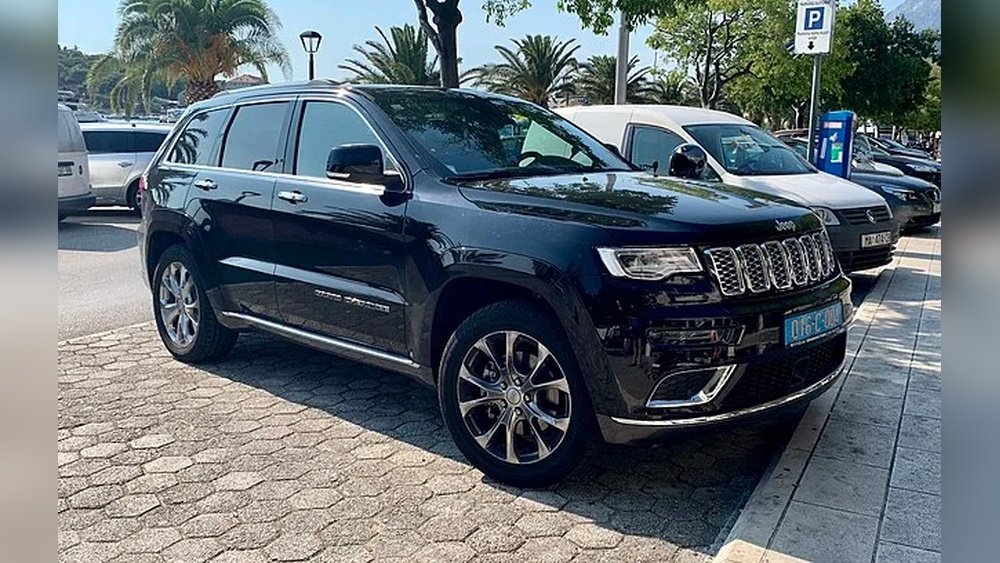
Here’s a quick look at average lifespans for different Cherokee generations:
| Generation | Years Made | Expected Lifespan |
|---|---|---|
| XJ | 1984-2001 | 200,000–300,000 miles |
| KJ/KK | 2002-2012 | 150,000–220,000 miles |
| KL | 2014-present | 175,000–250,000 miles |
Key insight: The way you treat your Cherokee has a bigger impact than the year or model.
What Impacts How Long A Jeep Cherokee Lasts?
Maintenance And Repairs
Regular maintenance is the single most important factor. Skipping oil changes, ignoring warning lights, or delaying repairs can shorten your SUV’s life.
Cherokees need:
- Oil and filter changes every 5,000–7,500 miles
- Transmission service every 60,000 miles
- Brake checks every 20,000 miles
- Timing belt (if equipped) every 100,000 miles
Pro tip: Always use the type of oil and fluids recommended in your manual. Using the wrong fluids can cause major engine or transmission problems.
Driving Habits
Gentle driving helps your Cherokee last longer. Hard acceleration, heavy towing, or rough off-roading can stress key parts. Short trips in cold weather are also tough on engines.
Common Problems
Jeep Cherokees are tough, but not perfect. Problems often seen in higher-mileage Cherokees include:
- Transmission issues (especially 2014–2019 models)
- Electrical faults
- Cooling system leaks
- Suspension wear
Here’s a breakdown of common repairs and their average costs:
| Component | Typical Repair Cost | Mileage When Issues Appear |
|---|---|---|
| Transmission | $1,800–$3,500 | 80,000–150,000 |
| Water Pump | $400–$800 | 60,000–120,000 |
| Alternator | $500–$900 | 90,000–150,000 |
| Ball Joints | $300–$600 | 100,000–150,000 |
Non-obvious insight: Fixing small problems right away often prevents bigger, more expensive breakdowns.

How To Make Your Jeep Cherokee Last Longer
- Follow the service schedule. Don’t wait until something breaks.
- Use quality parts and fluids. Cheaper options may not meet factory specs.
- Keep it clean. Washing the underbody removes salt and dirt that cause rust.
- Check fluid levels often. Especially before road trips.
- Listen for changes. New noises, smells, or vibrations are signs to check it out.
- Fix leaks early. Small oil or coolant leaks can lead to engine damage if ignored.
- Drive smoothly. Avoid hard stops, starts, and sharp turns.
Experience tip: Many Cherokee owners say joining an owner’s forum helps them spot common problems early.
How Jeep Cherokee Longevity Compares To Other Suvs
The Jeep Cherokee’s lifespan is typical for compact SUVs, but it can outlast rivals with proper care. Let’s compare it to some popular models:
| Model | Expected Lifespan (Miles) | Notes |
|---|---|---|
| Jeep Cherokee | 150,000–250,000 | Strong off-road; transmission issues in some years |
| Toyota RAV4 | 200,000–300,000 | Very reliable; lower repair costs |
| Honda CR-V | 200,000–300,000 | Low maintenance; less off-road ability |
| Ford Escape | 150,000–200,000 | Similar to Cherokee; less rugged |
Key takeaway: The Cherokee is competitive, but Japanese rivals often last longer with fewer repairs.
When Is It Time To Replace Your Jeep Cherokee?
Even the best-kept Cherokee will need big repairs eventually. Signs it might be time to move on include:
- Engine or transmission failure after 200,000 miles
- Rust on the frame or body that’s too expensive to fix
- Safety features (like airbags) no longer work
- Repair bills higher than the SUV’s value
Many owners get more than 15 years from their Cherokee before major problems appear. But if you keep up with maintenance, some parts can be rebuilt or replaced for less than buying a new vehicle.
Frequently Asked Questions
How Many Miles Can A Jeep Cherokee Last?
Most Jeep Cherokees last 150,000 to 250,000 miles with good care. Some reach 300,000 miles, but this is less common. Regular maintenance is key.
Are Older Jeep Cherokees More Reliable?
Older Cherokees, especially the XJ (1984–2001), are famous for being tough and simple to repair. Newer models have more electronics and can be costly if they break, but can still last a long time with care.
What Is The Most Common Problem In Jeep Cherokees?
Transmission problems are the most common issue, especially in 2014–2019 models. Other issues include cooling system leaks and electrical faults.
Is The Jeep Cherokee Expensive To Maintain?
Maintenance costs are about average for an SUV. Expect to pay a bit more for repairs than a Toyota or Honda, mainly due to transmission and suspension repairs. Using quality parts can reduce long-term costs.
Where Can I Find More Detailed Reliability Data?
You can read owner reviews and data from sources like the Consumer Reports for more in-depth information on specific years and models.
A Jeep Cherokee can last many years and miles if you take care of it. By following the right steps and fixing issues early, you can enjoy your Cherokee for the long haul. If you want a mix of comfort, adventure, and durability, the Cherokee is a solid choice—just be ready to stay on top of maintenance to get the most out of your ride.