Most Jeep owners know the thrill of off-road adventures and the confidence of a reliable vehicle. But when it comes to the Jeep battery, few people think about it—until the engine refuses to start. Understanding how long a Jeep battery lasts is key to avoiding unexpected problems and costly roadside assistance. Let’s explore battery lifespan, what affects it, and how to make sure your Jeep is always ready to go.
Average Jeep Battery Lifespan
A typical Jeep battery lasts 3 to 5 years under normal driving conditions. This range can vary depending on your model, climate, and how you use your vehicle.
- For Jeep Wrangler, Cherokee, Compass, and Grand Cherokee, the battery lifespan is usually around 4 years with regular use.
- Newer Jeeps with start-stop technology may see batteries last closer to 3 years due to extra demand.
Here’s a comparison of average battery life by Jeep model:
| Jeep Model | Average Battery Life |
|---|---|
| Wrangler | 3.5 – 5 years |
| Grand Cherokee | 3 – 5 years |
| Cherokee | 3 – 4.5 years |
| Compass | 3 – 4 years |
| Renegade | 3 – 4 years |
What Affects Jeep Battery Life?
Battery lifespan is not the same for everyone. Several factors play a role:
1. Driving Habits
Short trips don’t allow the battery to fully recharge. If you often drive less than 15 minutes, your battery may wear out faster.
2. Climate
Extreme heat shortens battery life by speeding up internal wear. Very cold weather makes it harder for the battery to deliver power. Both extremes can cut months off a battery’s lifespan.
3. Electrical Load
Using many accessories—like lights, radios, and winches—puts extra stress on the battery, especially when the engine is off.
4. Vehicle Age And Condition
Older Jeeps may have wiring or alternator problems that drain the battery more quickly.
5. Battery Type
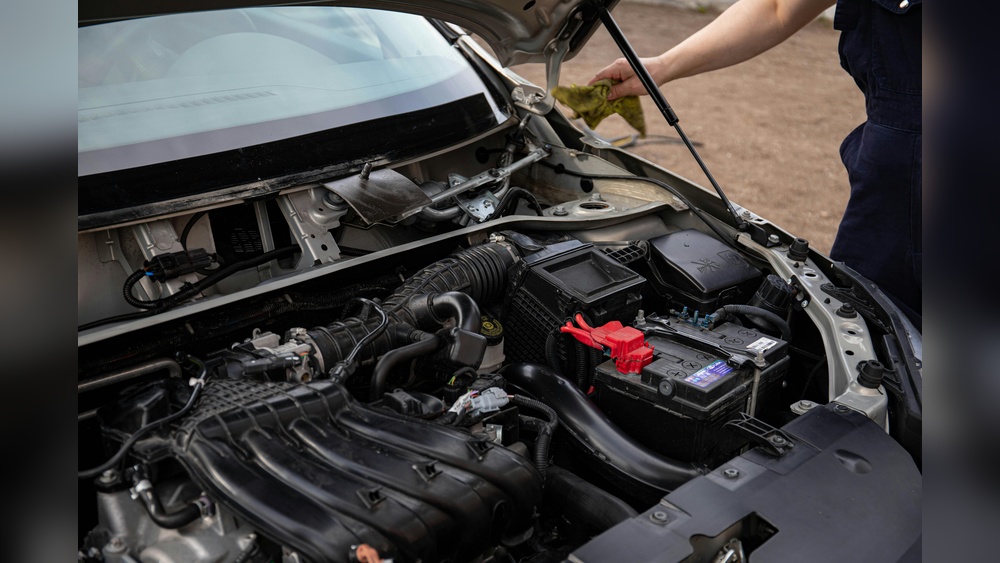
AGM batteries (Absorbent Glass Mat) usually last longer than traditional lead-acid batteries, but also cost more.
Here’s a look at how climate can affect battery life:
| Climate | Expected Battery Life |
|---|---|
| Mild (60-80°F) | 4 – 5 years |
| Hot (>90°F) | 2 – 3.5 years |
| Cold (<30°F) | 3 – 4 years |
Signs Your Jeep Battery Is Failing
Don’t wait for a dead battery to leave you stranded. Watch for these warning signs:
- Slow engine crank: The engine turns over slowly when starting.
- Dim lights: Headlights and interior lights are less bright.
- Warning lights: The battery or check engine light comes on.
- Electrical issues: Power windows or radio work poorly.
- Swollen battery case: Indicates heat damage and likely failure.
- Corroded terminals: White, chalky buildup on battery posts.
If you notice any of these, test your battery soon or visit a mechanic.
How To Make Your Jeep Battery Last Longer
A few simple habits can extend your battery’s life:
1. Drive Regularly
Try to take your Jeep for at least one 20-minute drive each week. This allows the alternator to recharge the battery fully.
2. Limit Short Trips
Combine errands to avoid frequent short drives.
3. Turn Off Electronics
Shut off lights, the radio, and other accessories when the engine is off.
4. Check Battery Terminals
Clean off any corrosion with a mixture of baking soda and water. Use a wire brush for stubborn spots.
5. Secure The Battery
Make sure the battery is properly fastened. Vibrations can damage internal parts.
6. Get Regular Checkups
Most auto shops can test your battery’s health for free.
Pro tip: Many Jeep owners forget to check the battery’s date code. Batteries have a sticker or stamp showing the month and year they were made. If your battery is older than 4 years, consider replacing it before problems start.

When To Replace Your Jeep Battery
Don’t wait for a complete failure. Replace your Jeep battery if:
- It’s older than 4 years and you live in a harsh climate.
- You notice repeated slow starts, even after cleaning terminals.
- A battery test shows less than 12.4 volts at rest.
- You plan a long trip and want to be safe.
Here’s a quick reference for when to replace based on battery voltage:
| Battery Voltage (at rest) | Battery Condition | Action |
|---|---|---|
| 12.6+ volts | Good | Keep using |
| 12.4 – 12.5 volts | Fair | Monitor closely |
| 12.0 – 12.3 volts | Weak | Replace soon |
| < 12.0 volts | Bad | Replace now |
Frequently Asked Questions
How Do I Know If My Jeep Needs A New Battery?
Watch for slow engine starts, dim lights, or warning lights on your dashboard. If your battery is more than 4 years old, it’s smart to have it tested.
Is It Safe To Drive With A Weak Battery?
It’s possible, but not recommended. A weak battery can leave you stranded at any time, especially in cold or hot weather.
Can I Replace A Jeep Battery Myself?
Yes, most owners can change their battery with basic tools. Always disconnect the negative terminal first, and wear gloves to protect your hands.
What Type Of Battery Does My Jeep Need?
Check your owner’s manual for the correct battery group size and type. Many newer Jeeps use AGM batteries for better performance.
Where Can I Find More Information About Car Batteries?
For more details on vehicle batteries, visit the Wikipedia Automotive Battery page.
Keeping your Jeep’s battery in top shape ensures that your adventures never end with an unexpected breakdown. Pay attention to the signs, maintain your battery, and replace it before trouble starts. With these simple habits, your Jeep will stay ready for whatever road—or trail—comes next.