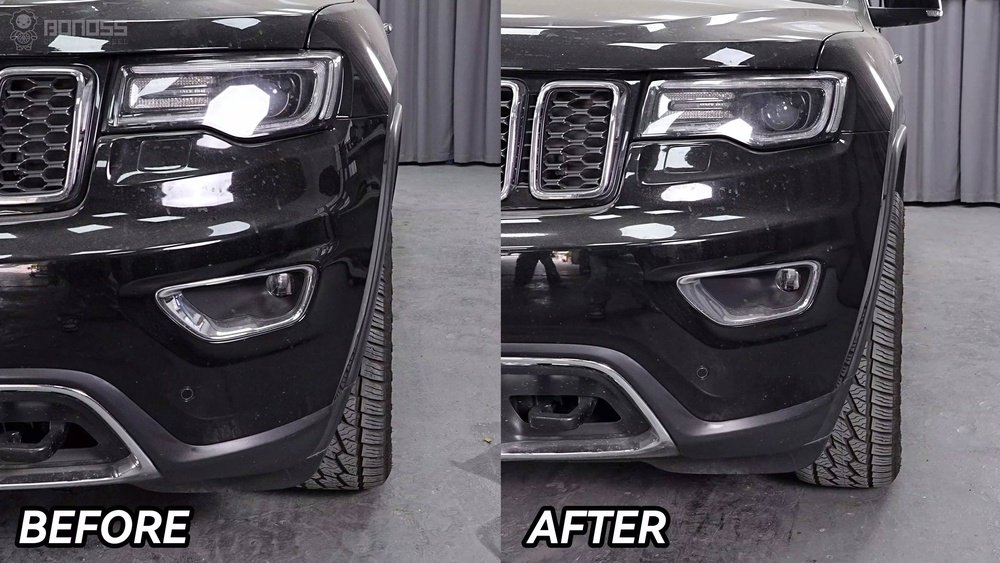
Many people see Jeeps as tough, reliable vehicles that can handle rough roads and long journeys. But if you’re thinking about buying a Jeep or already own one, you might wonder: How long do Jeeps last miles? This is a smart question, especially if you want your car to last many years. The answer depends on several factors, including the model, how you drive, and how well you maintain your Jeep. Let’s explore what you should expect and what you can do to make your Jeep last longer.
Typical Jeep Lifespan In Miles
Most Jeep models, especially the popular Jeep Wrangler, are built for durability. On average, a Jeep can last between 150,000 and 300,000 miles. Some owners report driving their Jeeps well beyond 200,000 miles, while others reach 300,000 miles with good care.
Here’s a quick look at typical lifespan ranges for common Jeep models:
| Model | Average Lifespan (Miles) |
|---|---|
| Wrangler | 200,000–300,000 |
| Grand Cherokee | 150,000–250,000 |
| Compass | 150,000–200,000 |
| Renegade | 120,000–180,000 |
These numbers are averages, not guaranteed. The actual lifespan depends on how the Jeep is used and maintained.
Factors That Affect Jeep Longevity
Several factors can change how long your Jeep lasts:
- Maintenance – Regular oil changes, brake checks, and tire rotations keep parts working smoothly. Skipping maintenance is the fastest way to reduce your Jeep’s lifespan.
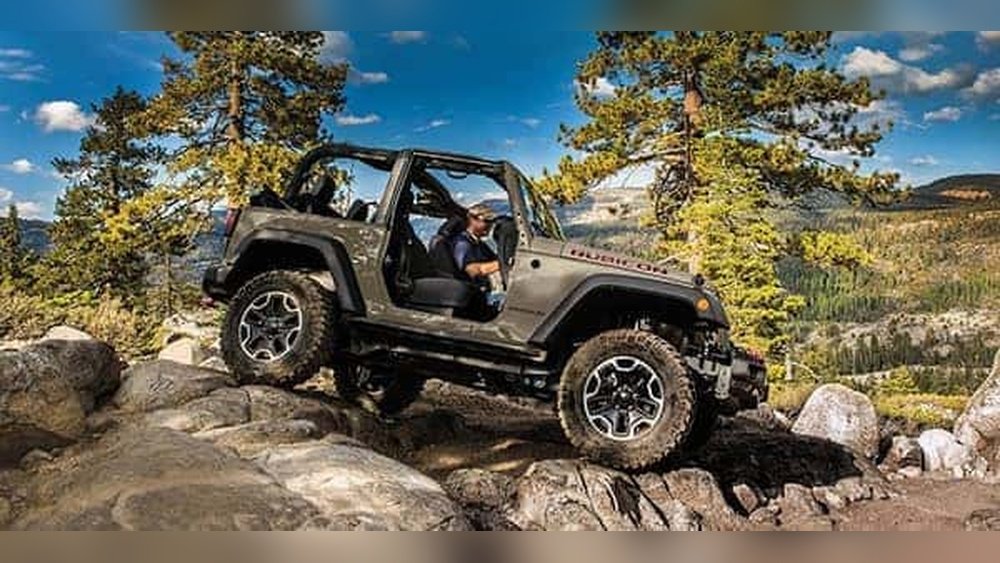
- Driving Habits – Aggressive driving, towing heavy loads, or frequent off-roading can wear out parts faster. Gentle driving extends life.
- Model Year – Newer Jeeps usually have better engineering and materials, which can lead to a longer lifespan.
- Climate – Harsh weather, like extreme heat, cold, or salt from snowy roads, can cause rust and damage.
- Usage – Jeeps used mainly for city driving tend to last longer than those used regularly for off-roading.
A surprising insight: Many owners believe off-roading always shortens a Jeep’s life. But with proper maintenance, Jeeps designed for tough terrain can handle off-road adventures without major damage.
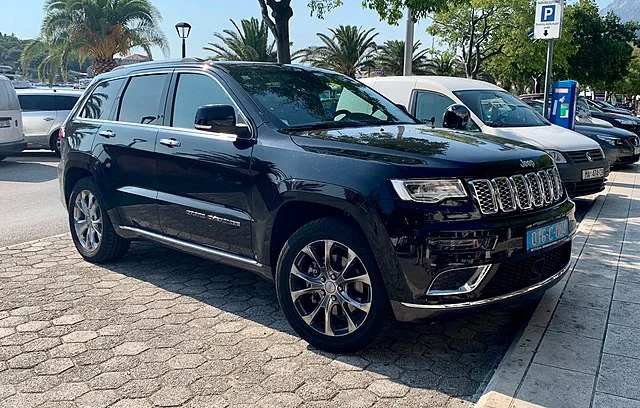
Jeep Reliability Compared To Other Suvs
Jeeps are known for their rugged build, but how do they compare to other SUVs in terms of mileage?
| SUV Brand | Average Lifespan (Miles) |
|---|---|
| Jeep | 200,000–250,000 |
| Toyota | 250,000–300,000 |
| Honda | 200,000–300,000 |
| Ford | 180,000–250,000 |
While Toyota and Honda often last a bit longer, Jeeps still offer strong durability, especially for drivers who need off-road capability.
Maintenance Tips To Maximize Jeep Mileage
If you want your Jeep to reach its maximum mileage, here are some key tips:
- Change oil every 5,000–7,500 miles.
- Replace air filters and spark plugs as recommended.
- Inspect brakes and tires every 10,000 miles.
- Check for rust, especially if you drive in areas with snow or salt.
- Use quality fluids and parts.
- Fix minor issues quickly to avoid bigger repairs.
Many beginners ignore the importance of using the right fluids, but Jeep engines are sensitive to oil quality. Always follow manufacturer guidelines.

Common Problems After High Mileage
Even tough Jeeps can develop problems as they age. Some issues are more likely after 100,000 miles:
- Transmission issues – Some older Jeeps have transmission failures after 120,000 miles.
- Rust and corrosion – Especially underbody and frame.
- Suspension wear – Off-road use can speed up suspension problems.
- Electrical faults – Older models may see dashboard or wiring issues.
Not all Jeeps will have these problems, but it’s wise to plan for extra repairs as your mileage increases.
Real Owner Examples
Many Jeep owners share their experiences online. For instance, a 2009 Jeep Wrangler owner reported reaching 285,000 miles with regular maintenance and only minor repairs. Another Grand Cherokee owner saw over 230,000 miles before needing major transmission work. These examples show that high mileage is possible, but maintenance is the key.
Buying A High-mileage Jeep: What To Check
If you’re buying a used Jeep with high miles, pay attention to these:
- Ask for service records
- Inspect for rust, especially underneath
- Test the transmission and suspension
- Listen for engine noises
- Check for oil leaks
A mistake many buyers make is ignoring the frame and underbody. Rust here can be expensive to fix and may affect safety.
Cost Of Ownership At High Mileage
As Jeeps age, repair costs can rise. According to RepairPal, annual maintenance for a Jeep Wrangler averages $694, but this can increase after 150,000 miles due to part replacements. Parts like the transmission, suspension, and exhaust may need attention as mileage grows.
Here’s a quick breakdown of potential repair costs:
| Repair | Estimated Cost |
|---|---|
| Transmission replacement | $2,000–$4,000 |
| Suspension repair | $800–$1,500 |
| Exhaust system | $500–$1,200 |
| Rust repair | $200–$1,000 |
Budget for these costs if you plan to keep your Jeep for many years.
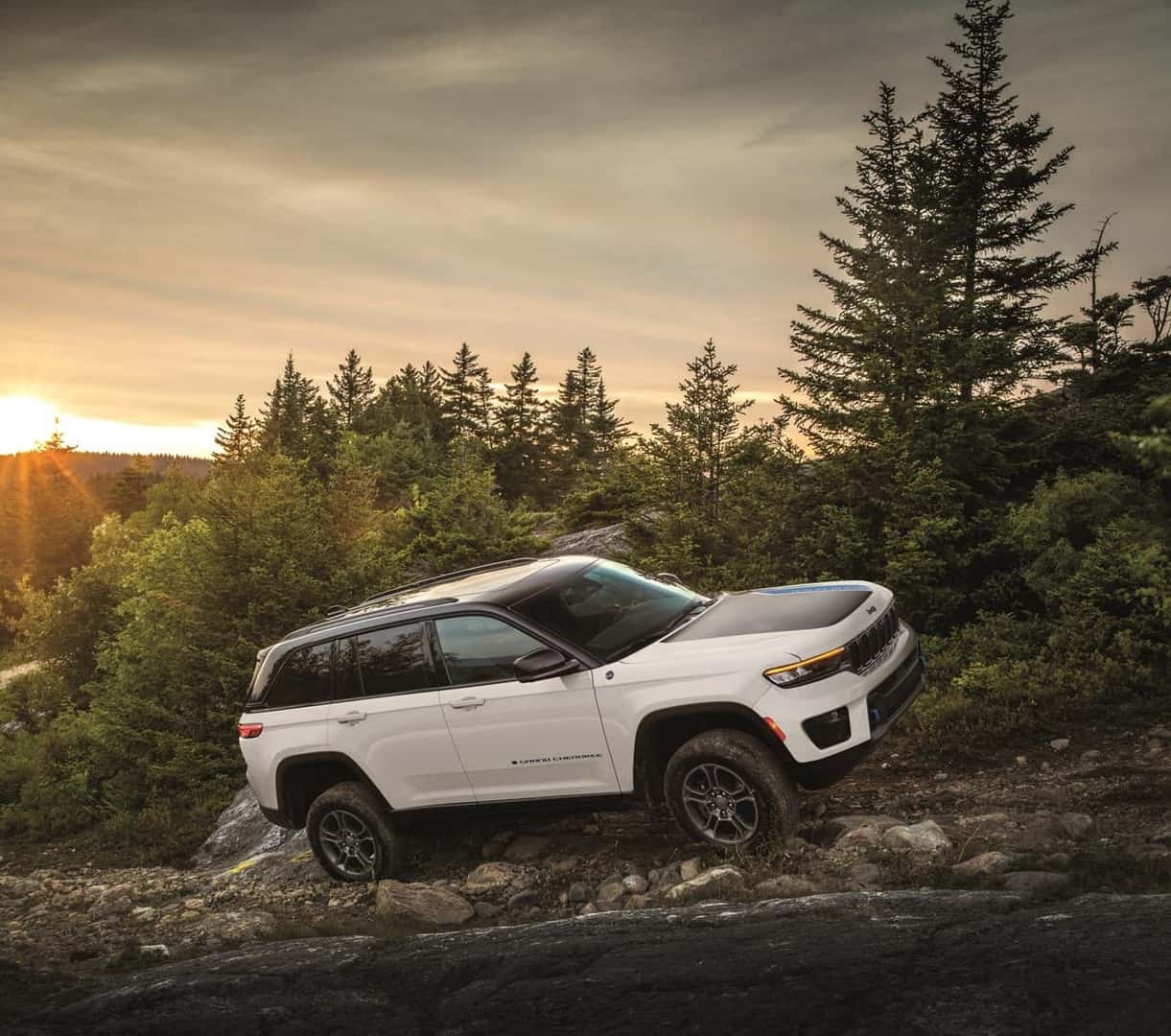
Frequently Asked Questions
How Many Miles Can A Jeep Wrangler Last?
Most Jeep Wranglers last 200,000 to 300,000 miles with proper care. Some well-maintained Wranglers go beyond 300,000 miles.
Is It Safe To Buy A Jeep With Over 100,000 Miles?
Yes, if it has good maintenance records and no major issues. Always inspect for rust and test the transmission before buying.
What Is The Most Reliable Jeep Model For High Mileage?
The Jeep Wrangler and Grand Cherokee are known for lasting longer, especially with regular service.
Do Jeeps Handle High Mileage Better Than Other Suvs?
Jeeps are strong in off-road performance, but brands like Toyota and Honda may last slightly longer overall. Jeeps still offer good durability for adventurous drivers.
Can Jeeps Survive Tough Climates And Off-roading?
Yes, Jeeps are designed for rough terrain and harsh weather, but regular maintenance and rust checks are important for long life.
If you treat your Jeep well, it can give you many years and miles of reliable service. Remember, maintenance and careful driving are the most important factors. With the right care, your Jeep can reach impressive mileage and stay strong on any road.