The 2014 Jeep Grand Cherokee is a popular SUV known for its strong performance and comfortable ride. Many drivers want to know how long this vehicle can last before major problems begin.
If you’re considering buying a used Grand Cherokee or already own one, understanding its lifespan, maintenance needs, and what affects durability will help you make smart decisions.
Let’s explore how long the 2014 Jeep Grand Cherokee can last, using real data, practical advice, and clear comparisons.
Typical Lifespan Of The 2014 Jeep Grand Cherokee
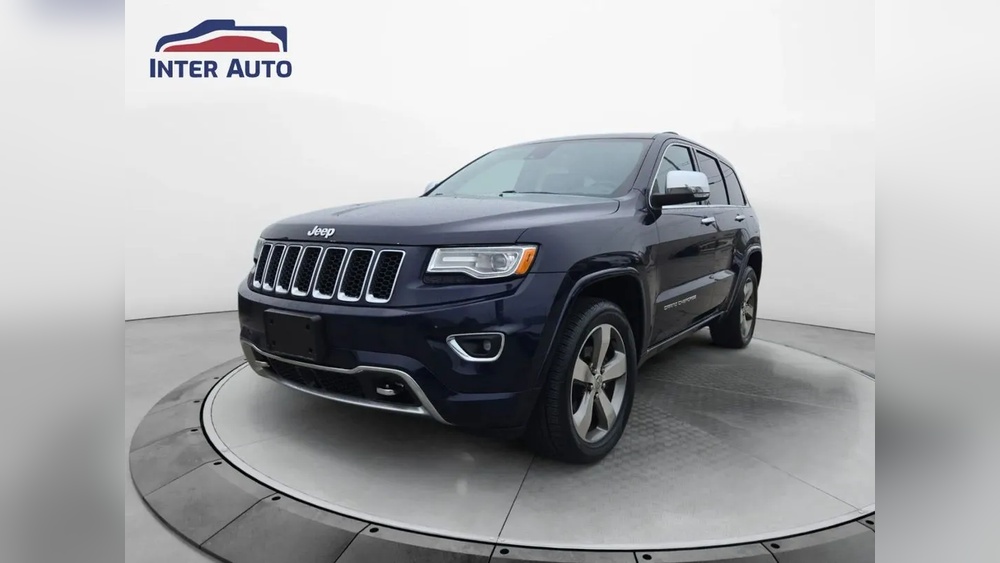
Most 2014 Jeep Grand Cherokees last 150,000 to 200,000 miles with regular maintenance. Some owners report their vehicles reaching 250,000 miles or more, but this is less common. The average American drives about 14,000 miles per year, so a well-maintained Grand Cherokee can last 10–14 years.
One reason for this longevity is the robust engines. The 2014 model came with several engine options, including a 3.6L V6, 5.7L V8, and even a 3.0L diesel. Each engine type has slightly different expected lifespans:
| Engine Type | Expected Lifespan | Notes |
|---|---|---|
| 3.6L V6 | 180,000–200,000 miles | Most common, reliable |
| 5.7L V8 | 160,000–190,000 miles | Higher power, more wear |
| 3.0L Diesel | 200,000+ miles | Best for high mileage |
Some owners say their V6 engines feel just as strong after 120,000 miles as when they were new, if oil changes and spark plug replacements are kept on schedule.
The diesel option, popular for towing and long-distance driving, is especially valued by those who travel often for work or recreation, and it’s not unusual for these engines to cross 220,000 miles with proper care.
However, diesel repairs can be more expensive and parts may be harder to find.
It’s important to remember that how long the SUV lasts also depends on how it’s driven and cared for.
A family using the Grand Cherokee mostly for city driving with regular service may see a longer lifespan than someone who does heavy towing or constant off-roading.
Factors That Affect Longevity
Several factors can change how long your 2014 Jeep Grand Cherokee lasts:
- Maintenance habits – Regular oil changes, brake checks, and tire rotations are essential.
- Driving style – Gentle driving helps the SUV last longer. Aggressive driving causes more wear.
- Climate – Vehicles in harsh climates (extreme heat, cold, or salt) may rust or wear faster.
- Usage – Towing heavy loads or frequent off-road trips can shorten lifespan.
A surprising insight: Many owners neglect transmission fluid changes. Over time, dirty fluid can cause expensive transmission problems. Changing the fluid every 60,000 miles is recommended.
For example, if you drive in a region with icy winters, road salt can cause the underbody to rust if you don’t wash your SUV regularly. A small rust spot on a door or wheel well can quickly spread if ignored.
Similarly, using your Grand Cherokee for towing boats or trailers adds extra stress to the engine and transmission, making timely fluid changes and inspections even more important.
Another factor people forget is tire choice. Using all-season tires when you need snow tires, or ignoring tire rotation, can put extra strain on the drivetrain and suspension over time.
Simple steps like checking tire pressure monthly help avoid uneven wear and costly repairs later.
Common Problems Over Time
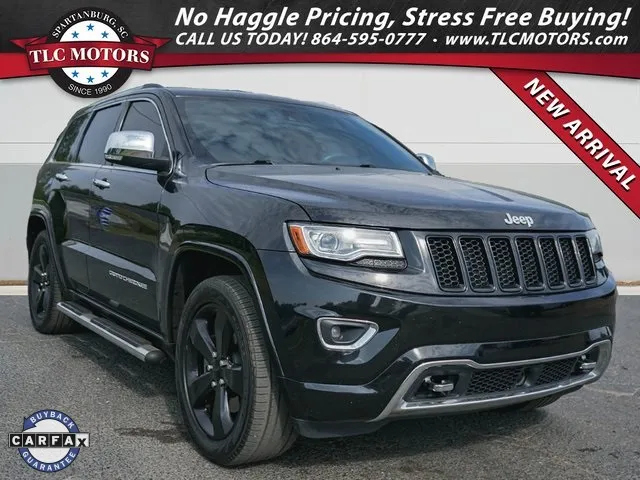
The 2014 Jeep Grand Cherokee is reliable, but like all vehicles, it has some weak spots. Common issues include:
- Electrical problems – Such as faulty sensors or software glitches.
- Air suspension failures – Especially in Overland and Summit trims.
- Transmission shudder – Usually after 100,000 miles if fluid isn’t changed.
One overlooked issue: The sunroof drains can clog, causing leaks. Cleaning them once a year prevents water damage.
Here’s a quick comparison of typical repair costs:
| Repair Type | Estimated Cost | Frequency |
|---|---|---|
| Brake Pads/Rotors | $350–$600 | Every 40,000 miles |
| Transmission Service | $250–$400 | Every 60,000 miles |
| Suspension Repair | $800–$2,000 | As needed |
Another common but often ignored problem is with the blend door actuator in the heating and cooling system. If your air conditioning starts blowing only hot or cold air, this small part may be to blame. Fixing it early is much cheaper than a full HVAC repair. Also, keep an eye on the dashboard warning lights—especially the check engine light. Many Grand Cherokees develop sensor issues as they age, but catching these early prevents bigger failures.
If your Jeep has the optional air suspension, listen for hissing sounds or a sagging ride height after parking overnight. These are signs the air compressor or air bags may need attention.
Replacing these parts can be costly, but acting quickly prevents damage to the rest of the suspension system.
Tips To Maximize Your Jeep’s Lifespan
If you want your Grand Cherokee to last as long as possible, follow these practical steps:
- Change engine oil every 5,000–7,000 miles.
- Inspect brakes and tires twice a year.
- Keep transmission fluid clean.
- Check coolant and battery before winter.
- Wash your Jeep often, especially if you live near the ocean or in snowy areas.
A tip many miss: Use high-quality fluids and parts. Cheap replacements can cause more damage in the long run.
Another non-obvious tip is to pay attention to your driving habits during warm-up and cool-down. Avoid revving the engine hard for the first few minutes after starting, especially on cold mornings. This helps the oil circulate and reduces long-term engine wear.
After long drives or towing, let the engine idle for a minute before shutting off. This practice helps the turbocharger (if equipped) and keeps the engine healthy.
Don’t ignore small noises or vibrations. For example, a clicking sound when turning could mean a worn CV joint fixing it early is much cheaper than replacing the axle later.
Scheduling regular checkups with a trusted mechanic, even when everything seems fine, can catch hidden issues before they turn serious.
Real Owner Experiences
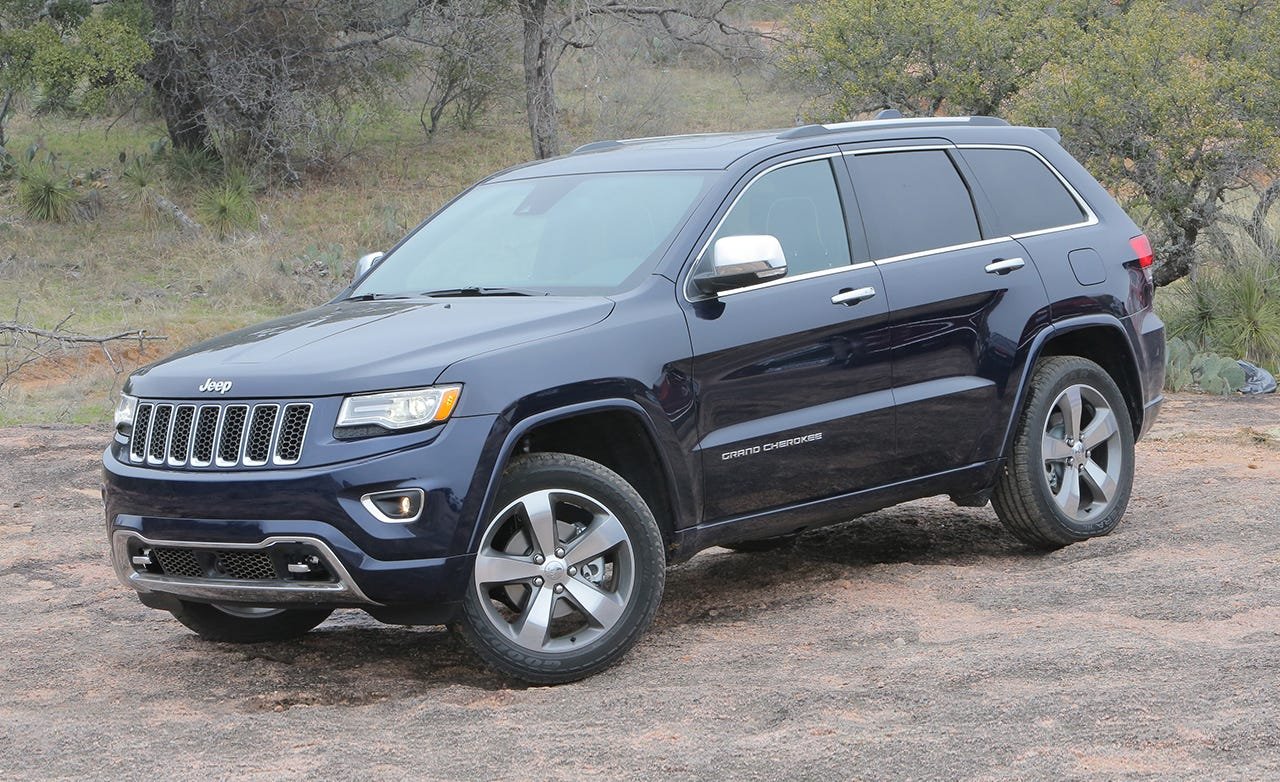
Many owners share their stories online. For example, one driver reported reaching 215,000 miles with only minor repairs, thanks to careful maintenance. Another owner had to replace the transmission at 130,000 miles after skipping recommended fluid changes.
A third owner mentioned that regular cleaning of the sunroof drains prevented costly water leaks. These examples show that maintenance and attention can add years to your Jeep’s life.
Another owner shared that changing the differential fluid every 60,000 miles kept the 4WD system working smoothly, especially in snowy states. Others found that replacing worn bushings and ball joints around 120,000 miles made the ride feel almost new again.
These small investments, according to owners, saved them from much bigger repairs down the road.
Some Jeep forums and owner groups are filled with stories of Grand Cherokees still running strong with original engines and transmissions well past 200,000 miles. While not every Jeep will reach these numbers, these stories show what’s possible with commitment to care.
Comparing The Grand Cherokee To Other Suvs
How does the 2014 Jeep Grand Cherokee compare to other midsize SUVs? Here’s a quick overview:
| Model | Average Lifespan | Reliability Score |
|---|---|---|
| Jeep Grand Cherokee | 150,000–200,000 miles | 7.5/10 |
| Toyota 4Runner | 200,000–250,000 miles | 9.0/10 |
| Ford Explorer | 140,000–180,000 miles | 7.0/10 |
As you can see, the Grand Cherokee is competitive, but some rivals last longer. However, Jeep offers more luxury options and a smoother ride.
The Toyota 4Runner is known for its simple design and very strong reliability, which is why it often lasts longer. However, the Grand Cherokee beats many rivals with its upscale interior, advanced tech, and comfortable seats.
If you want a mix of comfort, off-road skills, and style, the Grand Cherokee is a strong choice, even if it’s not always at the very top for raw mileage.
Frequently Asked Questions
How Many Miles Can A 2014 Jeep Grand Cherokee Last?
Most 2014 Grand Cherokees last 150,000 to 200,000 miles, but some reach 250,000 miles with excellent care.
What Is The Most Common Problem After 100,000 Miles?
The transmission can develop shudder or shifting issues, especially if fluid is not changed regularly.
Does The Diesel Engine Last Longer Than The Gas Engines?
Yes, the 3.0L diesel engine often lasts longer, sometimes over 200,000 miles, if maintained well.
Is The 2014 Jeep Grand Cherokee Expensive To Maintain?
Maintenance costs are average for a midsize SUV. Major repairs, like suspension or transmission, can be expensive.
Where Can I Find More Information About Jeep Reliability?
You can visit Wikipedia for detailed history and reliability ratings.
The 2014 Jeep Grand Cherokee offers solid durability if you follow proper maintenance and handle it gently. Paying attention to fluids, brakes, and small issues will help your Jeep reach impressive mileage. With smart care, you can expect reliable performance for many years.