Jeep Wranglers are famous for their rugged style and off-road ability. Many drivers love them for adventure, while others enjoy the unique look.
Still, like any vehicle, the Jeep Wrangler can develop problems as it ages. If you’re thinking about buying a Wrangler, or already own one, you may wonder: when do Jeep Wranglers start having problems?
Let’s explore real-world data, common trouble spots, and ways to keep your Wrangler in top shape.
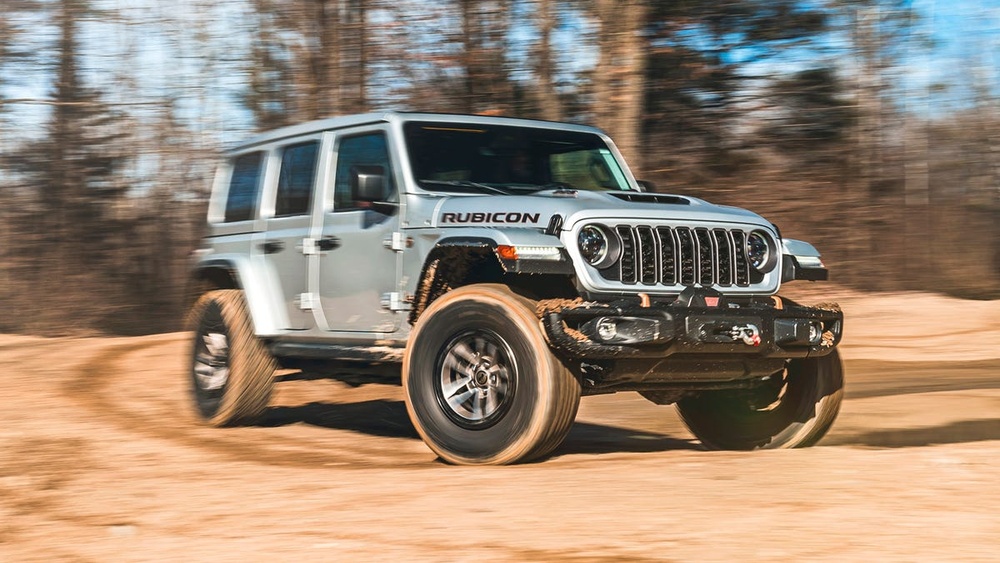
How Long Do Jeep Wranglers Last?
The Jeep Wrangler has a reputation for durability. Most Wranglers can last over 200,000 miles if you keep up with maintenance. It’s not rare to see older Wranglers running strong at 15 or even 20 years old. However, how you drive and maintain your Jeep matters a lot. Off-roading, towing, and harsh weather can speed up wear and tear.
Here’s a quick look at average Jeep Wrangler lifespans:
| Model Year | Expected Lifespan (Miles) | Common Problem Onset (Miles) |
|---|---|---|
| 1997–2006 (TJ) | 200,000–250,000 | 90,000–120,000 |
| 2007–2017 (JK) | 200,000–250,000 | 80,000–110,000 |
| 2018–2024 (JL) | 200,000+ | 70,000–100,000 |
Older Wranglers can last longer with careful ownership, but newer models benefit from modern engineering and safety features.
When Do Problems Start To Appear?
Most Jeep Wrangler owners begin to notice issues between 70,000 and 100,000 miles. Some minor problems may happen earlier, especially if the vehicle is used off-road or in extreme conditions.
The main trouble spots often appear around these mileages:
- Suspension and steering: 60,000–90,000 miles
- Transmission: 80,000–120,000 miles
- Electrical system: 70,000+ miles
- Rust and frame issues: 100,000+ miles (mainly in older models or snowy regions)
It’s important to note that some problems are more likely in certain years. For example, 2007–2011 models had more reports of tipm (totally integrated power module) failures and leak issues.
Example: Death Wobble
One famous Jeep problem is the death wobble. This is a shaking of the steering wheel, usually at highway speeds. It often starts after 60,000 miles, especially if suspension parts wear out or the alignment is off.
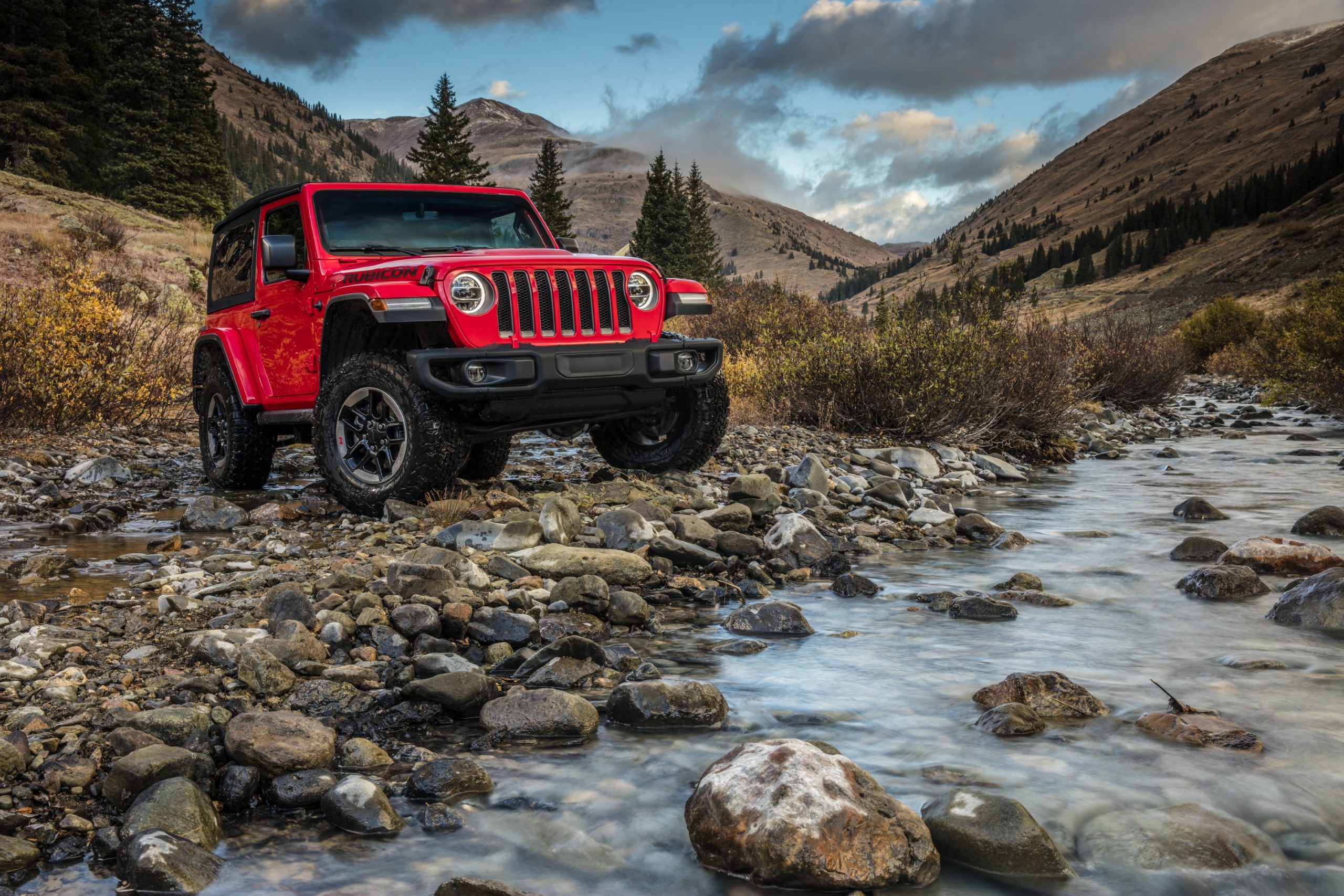
Common Jeep Wrangler Problems By Model Year
Every Jeep Wrangler generation has its own set of common issues. Here’s how they compare:
| Generation | Frequent Issues | Notable Years |
|---|---|---|
| TJ (1997–2006) | Rust, oil leaks, exhaust leaks | 1997, 2000, 2005 |
| JK (2007–2017) | TIPM failure, death wobble, water leaks | 2007, 2008, 2012 |
| JL (2018–present) | Electrical bugs, steering issues, recalls | 2018, 2019 |
A non-obvious insight: Some problems are fixed by recalls, but many owners miss out if they don’t check for updates. Always ask a dealer about open recalls before buying a used Wrangler.
What Triggers Early Problems?
Wranglers may develop issues sooner than expected if:
- Off-roading frequently. Heavy off-road use puts stress on suspension, axles, and steering parts.
- Neglecting maintenance. Skipping oil changes or ignoring warning lights leads to faster wear.
- Living in harsh climates. Road salt causes rust, while heat can damage rubber and electronics.
- Using non-OEM parts. Cheap aftermarket parts can fail early.
Here’s a quick comparison of factors that affect Wrangler reliability:
| Factor | Impact on Longevity | Example |
|---|---|---|
| Off-roading | High wear | Bent axles, suspension damage |
| Regular maintenance | Improves lifespan | Timely oil changes |
| Climate | Rust risk | Frame corrosion in snowy areas |
| Quality parts | Better reliability | OEM vs. cheap aftermarket |
Many beginners miss the importance of frame rust checks. Even if the engine is healthy, a rusty frame can end a Wrangler’s life early. Always inspect the undercarriage before buying.
How To Reduce Problems And Extend Wrangler Life
Taking care of your Wrangler can delay or prevent many common issues.
- Follow the service schedule. Oil changes, fluid checks, and filter replacements matter.
- Inspect suspension and steering. Look for loose parts or worn bushings, especially if you feel vibration.
- Wash the underbody. This removes salt and dirt that cause rust.
- Use quality replacement parts. Stick with OEM or trusted brands.
- Address issues early. Don’t ignore strange noises, leaks, or warning lights.
One overlooked tip: Check for software updates at the dealer. Newer Wranglers may have updates that fix shifting or electrical bugs.
Is A High-mileage Jeep Wrangler Worth It?
Buying a Wrangler with over 100,000 miles is possible, but you should be careful. Ask for full service records and get a trusted mechanic to inspect the frame, engine, and suspension. Look for signs of off-road abuse, like dents under the body or worn-out bushings.
A well-cared-for Wrangler can still offer years of fun, but a poorly maintained one can become a money pit.
Frequently Asked Questions
How Reliable Are Jeep Wranglers Compared To Other Suvs?
Wranglers are known for their off-road strength but rank average for reliability. They may need more repairs than a Toyota 4Runner or Honda CR-V, especially as they age.
What Is The “death Wobble” In A Jeep Wrangler?
The death wobble is a violent steering shake, often at highway speeds. It’s usually caused by worn suspension or steering parts. Fixing it quickly is important for safety.
Do Newer Jeep Wranglers Have Fewer Problems?
Yes, newer Wranglers (2018 and up) have improved electronics, safety, and comfort. However, some early JL models had recalls for steering and electrical issues. Always check the model’s recall history.
What Is The Most Expensive Problem In A Jeep Wrangler?
A rusted frame can be the most costly issue, especially in older models. Major transmission or engine repairs are also expensive. Regular maintenance helps avoid these big costs.
Where Can I Find Official Jeep Recall Information?
You can check official recalls at the National Highway Traffic Safety Administration website. Enter your VIN for specific results.
Jeep Wranglers are tough and fun, but they’re not perfect. Understanding when and why problems start helps you make smart choices—whether you’re shopping for one or keeping your current Jeep in top condition. With good care, your Wrangler can take you on adventures for many years to come.