Jeep Grand Cherokees are well-known for their rugged design, off-road abilities, and strong engines. If you are thinking about buying one—or already own one—you probably wonder: How long can a Jeep Grand Cherokee last? Is it a car that will serve you for years, or will it become a problem after just a few miles? In this article, you’ll learn exactly what affects the lifespan of a Grand Cherokee, what you can expect based on real data, and how to make yours last as long as possible.
Average Lifespan: What The Numbers Say
Most Jeep Grand Cherokees last between 150,000 and 250,000 miles with good care. Some owners even report reaching 300,000 miles or more. However, many factors play a role, from maintenance habits to driving conditions.
Here’s a quick look at typical mileage expectations for Grand Cherokees:
| Mileage Range | Condition | Probability |
|---|---|---|
| Under 100,000 miles | Like new, few problems | Very common |
| 100,000–200,000 miles | Some repairs needed | Common |
| 200,000–300,000 miles | Major repairs likely | Less common |
| 300,000+ miles | Exceptional care required | Rare |
Many owners share stories online about their Grand Cherokee crossing the 200,000-mile mark without major engine or transmission work. But for most people, reaching 250,000 miles means regular repairs and part replacements.
Key Factors That Affect Longevity
Several things decide how long a Jeep Grand Cherokee will last:
- Maintenance: Regular oil changes, timely brake checks, and other routine services are essential.
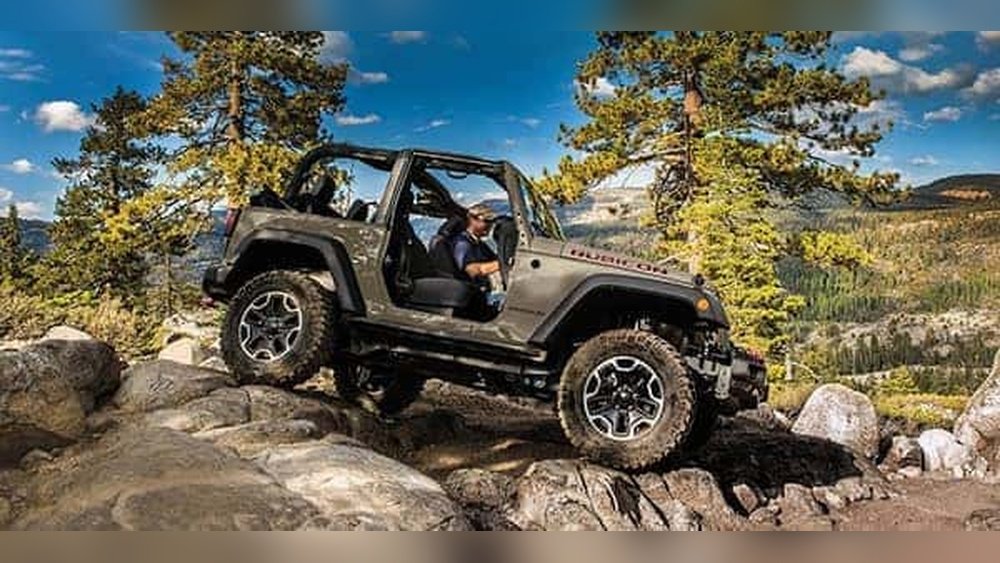
- Driving Style: Gentle driving helps. Hard acceleration, towing heavy loads, or frequent off-roading can wear out parts faster.
- Environment: Rust is a big enemy. Salted roads in winter, humid climates, or lots of mud can cause rust and reduce lifespan.
- Model Year: Some years had better reliability than others. For example, the 2011–2013 models had more issues compared to newer ones.
- Engine Type: The V6 Pentastar engines are known for durability, while some older V8s had more problems.
Here’s a table comparing the reliability of different Grand Cherokee generations:
| Generation | Years | Reliability Rating | Common Issues |
|---|---|---|---|
| WJ | 1999–2004 | Good | Cooling, electrical |
| WK | 2005–2010 | Average | Transmission, suspension |
| WK2 | 2011–2021 | Average to Good | Electrical, transmission |
| WL | 2021–present | Too new to judge | Minor issues reported |

Maintenance Tips For A Long-lasting Grand Cherokee
Taking care of your Grand Cherokee is the best way to make it last. Here’s what you should focus on:
- Change engine oil every 5,000–7,500 miles or as the manual suggests.
- Check transmission fluid and replace it at recommended intervals.
- Inspect brakes, tires, and suspension at least once a year.
- Wash the undercarriage if you drive on salted roads to prevent rust.
- Replace timing belts and water pumps as required (especially on older models).
- Address warning lights right away. Ignoring problems can lead to bigger repairs.
Many forget to check the cooling system. Overheating is a common cause of engine failure. Make sure the radiator and hoses are in good shape.
Signs Your Grand Cherokee Is Aging
Even with good care, parts wear out over time. Look for these signs that your Grand Cherokee might need extra attention:
- Transmission slipping or rough shifts
- Engine knocking or increased oil use
- Rust spots around doors, fenders, or the underbody
- Electrical problems, like flickering lights or power window failures
- Suspension noises or uneven tire wear
If you notice these problems, fix them early. Delaying repairs can shorten your Jeep’s life.
Real-world Examples: Owner Experiences
Online forums and car sites show many Grand Cherokees easily pass 200,000 miles. For example, some owners on JeepForum share stories of their 2001 and 2005 models reaching 250,000 miles with only minor repairs.
However, there are also cases where expensive issues—like transmission failure around 120,000 miles—forced owners to sell or scrap their Jeep. This shows that while high mileage is possible, it’s not guaranteed for every vehicle.
A surprising insight: Some people who use their Grand Cherokee for light highway driving get much higher mileage than those who mainly use it for off-roading. Highway miles are easier on most parts, while off-road use stresses the suspension and drivetrain.
How Grand Cherokee Lifespan Compares To Other Suvs
Compared to other midsize SUVs, the Jeep Grand Cherokee is average or slightly above average for longevity if maintained well.
Here’s a quick comparison with similar vehicles:
| Model | Typical Lifespan (Miles) | Reliability Score |
|---|---|---|
| Jeep Grand Cherokee | 150,000–250,000 | Average |
| Toyota 4Runner | 200,000–300,000 | High |
| Ford Explorer | 150,000–200,000 | Average |
| Chevrolet Tahoe | 200,000–300,000 | Above Average |
While the Grand Cherokee can last a long time, it may need more repairs as it ages compared to a Toyota 4Runner. Still, with proper care, it offers a good balance of comfort, power, and durability.

Frequently Asked Questions
How Many Miles Is Too Many For A Used Grand Cherokee?
Anything over 200,000 miles is considered high for a used Grand Cherokee. If the vehicle has a full maintenance history and runs smoothly, it can still be a good buy. Always get a mechanic to inspect it before buying.
Do Newer Grand Cherokees Last Longer Than Older Ones?
Generally, newer models (2014 and up) have better technology and safety features. However, some older models (like 1999–2004) are known for simplicity and reliability. Lifespan depends more on care than age alone.
What Are The Most Expensive Repairs On A Grand Cherokee?
The transmission and engine repairs are the most costly. Replacing a transmission can cost $3,000 or more. Suspension and electrical system fixes can also be pricey as the SUV ages.
Does Off-roading Reduce The Lifespan?
Yes, frequent off-roading wears out the suspension, drivetrain, and underbody faster. Occasional light off-road use is fine, but heavy off-roading may mean more repairs and a shorter lifespan.
Can A Grand Cherokee Last 300,000 Miles?
It’s possible, but rare. Only Grand Cherokees that have been well-maintained and mostly driven on highways, not harsh conditions, usually reach 300,000 miles. Most will need major repairs before this point.
A Jeep Grand Cherokee can be a long-lasting SUV if you keep up with maintenance and catch problems early. While it may not outlast every rival, it offers a good mix of comfort, power, and real-world durability. If you treat your Jeep well, it can reward you with many years of reliable service.