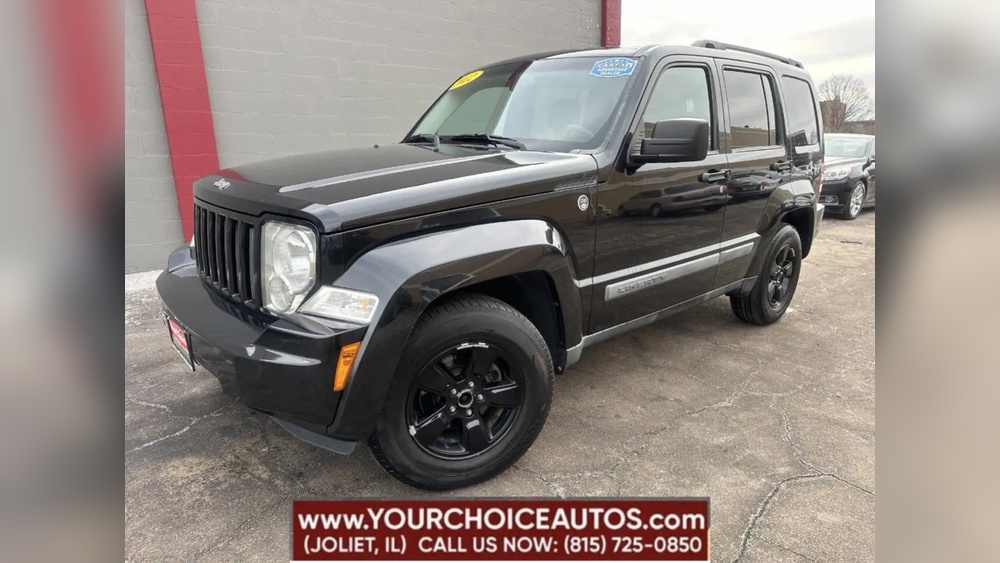
A Jeep Cherokee is known for its rugged design and strong performance. Many people buy this SUV because it handles tough roads and weather.
But one big question remains: how long can a Jeep Cherokee last? If you are thinking about buying or already own a Cherokee, understanding its lifespan can help you make smarter choices for care, upgrades, and resale.
Knowing how long your vehicle might last is more than just a curiosity. It can impact your yearly budget, help you decide when to sell, and influence how much you invest in repairs.
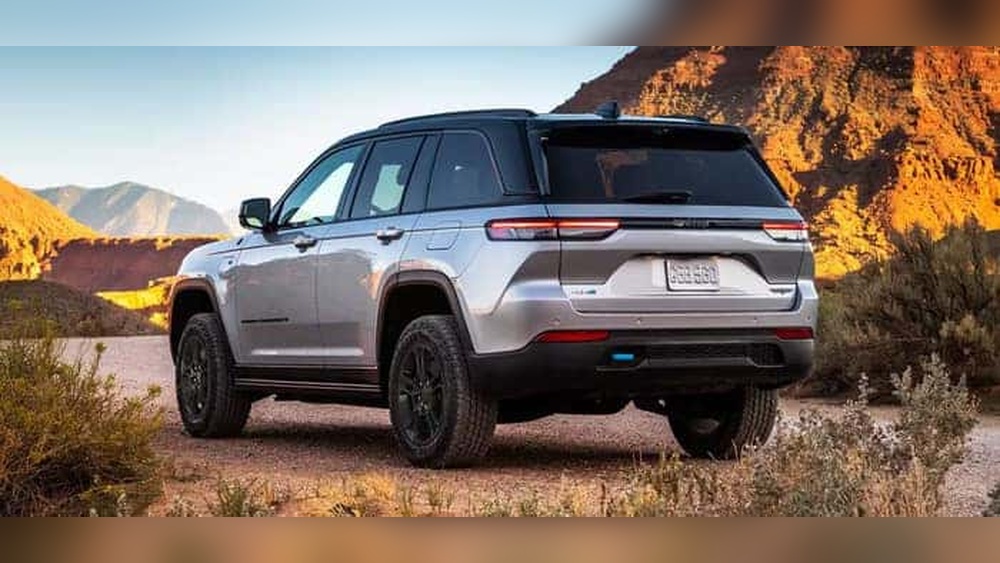
Some owners keep their Cherokees for more than a decade, using them as daily drivers, family vehicles, or even off-road adventure cars.
Others may want to sell after a few years, so understanding the expected lifespan and what affects it is key to getting the best value from your vehicle.
Typical Lifespan Of Jeep Cherokee
Most Jeep Cherokees last between 150,000 and 250,000 miles. This means, with normal driving, you can expect 10 to 15 years of use. Some owners report their Cherokees running well past 200,000 miles with proper maintenance.
Here’s a quick look at average mileage based on owner reports:
| Mileage | Percentage of Cherokees Still Running |
|---|---|
| 100,000 miles | 92% |
| 150,000 miles | 74% |
| 200,000 miles | 41% |
| 250,000 miles | 18% |
Many factors affect these numbers, including model year, driving habits, and how often you service the vehicle.
A Jeep Cherokee’s lifespan also depends on how it is used. For example, a family car that mostly drives on smooth roads will usually last longer than one used for towing or regular off-roading.
Some owners who use their Cherokees for camping or mountain trips see more wear but find the vehicle still holds up better than many competitors.
Even after 150,000 miles, a well-maintained Cherokee can remain comfortable and safe, with most features still working.
Factors That Affect Longevity
Maintenance Habits
Regular oil changes, tire rotations, and fluid checks are key. Missing basic maintenance can reduce lifespan by 30% or more.
Following the recommended service schedule is more important for a Jeep Cherokee than for many other SUVs. For example, skipping a single oil change can lead to engine sludge, which causes expensive damage over time.
Replacing air filters, spark plugs, and brake pads as recommended can prevent small issues from becoming serious failures.
Some owners use synthetic oil or premium fluids to help parts last longer. This is especially useful if you often drive in heavy traffic or extreme weather.
Keeping records of your maintenance can also boost the resale value, because buyers trust vehicles with a clear service history.
Driving Style
Aggressive driving, towing heavy loads, or frequent off-roading can wear out parts faster. Gentle driving on paved roads helps your Cherokee last longer.
Accelerating quickly, hard braking, or taking sharp turns at speed increases stress on your engine, brakes, and suspension. If you love off-road adventures, it’s smart to check under the vehicle after each trip for signs of damage or worn parts.
Even small rocks can cause dents or cracks that may rust later.
On the other hand, if you use your Cherokee mostly for commuting or long highway trips, you’ll likely see less wear. Consistent speeds and smooth driving conditions reduce strain on the vehicle, helping it reach higher mileages.
Climate And Environment
Cherokees in harsh climates (extreme heat, cold, or humidity) often face more rust and wear. Garaging your vehicle and washing it regularly protects it from the elements.
For people living in snowy areas, road salt can quickly lead to rust on the underbody and wheel wells. Washing the underside of your Cherokee in winter months helps stop salt buildup.
In hot climates, rubber seals and hoses may crack faster, so checking them during routine maintenance is smart.
Humidity can also affect electronics, especially in newer Cherokees with more sensors. Keeping your car dry and clean inside and out can prevent many small issues from turning into big repairs.
Model Year And Engine Type
Older Cherokees, especially those made before 2010, tend to last longer because they have simpler engines and fewer electronics. Newer models offer better fuel economy but rely more on sensors and computers, which can break and be costly to fix.
Below is a comparison of engine longevity by model year:
| Model Year | Engine Type | Expected Lifespan |
|---|---|---|
| 1997–2001 | 4.0L Inline-6 | 220,000–260,000 miles |
| 2014–2020 | 2.4L I4/3.2L V6 | 170,000–210,000 miles |
The 4. 0L Inline-6 engine is often praised by mechanics for its durability and ease of repair.
Many enthusiasts choose older Cherokees for this reason, accepting lower fuel efficiency in exchange for longer life and simpler fixes. Newer models have better safety features and smoother rides, but their complex electronics mean more things can go wrong as the vehicle ages.
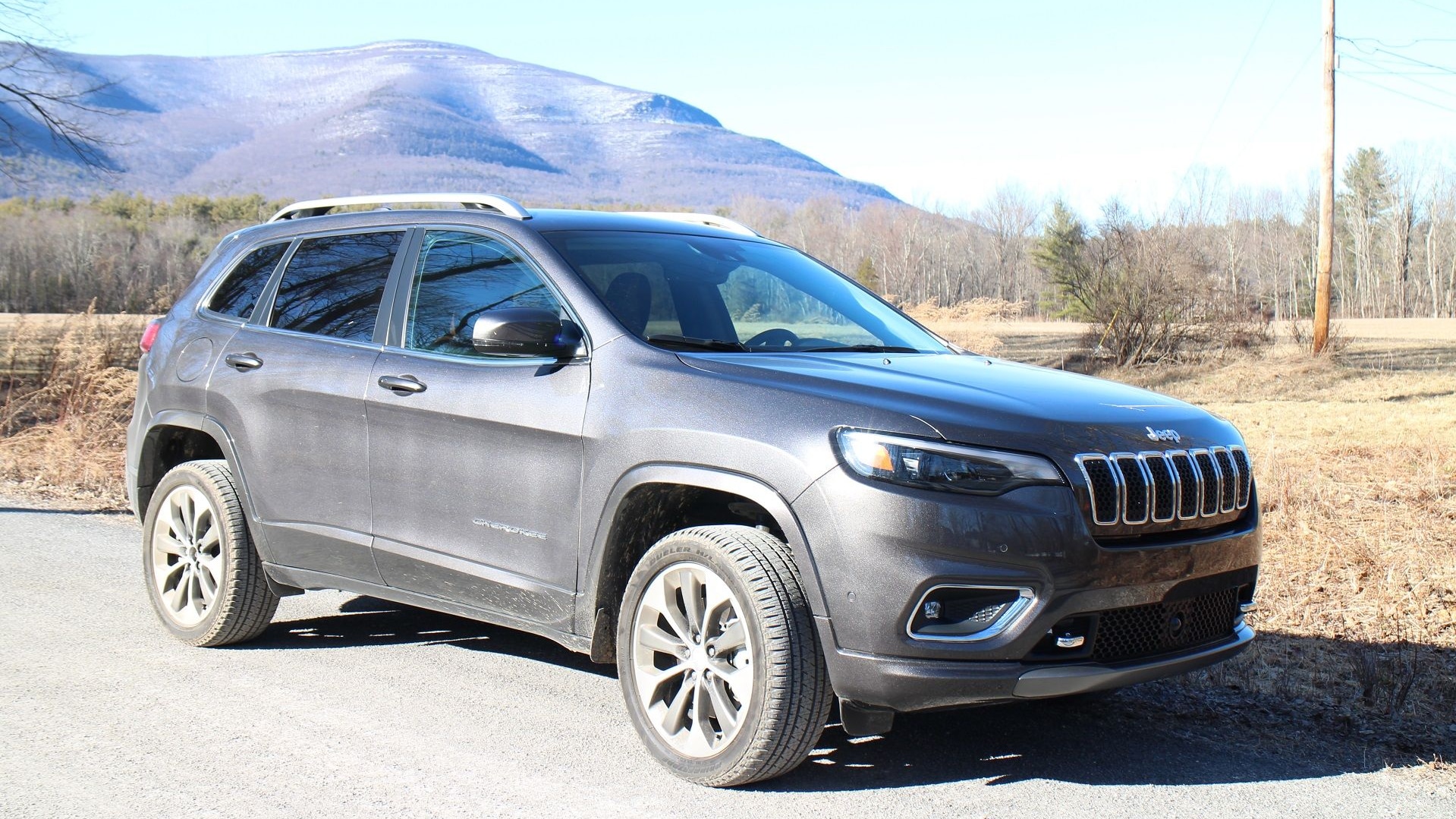
Common Issues That Impact Lifespan
Cherokees are reliable, but some problems are common:
- Transmission issues: Especially in 2014–2015 models, early failures can occur around 60,000–100,000 miles.
- Suspension wear: Bushings and ball joints often need replacement after 120,000 miles.
- Electrical problems: Newer Cherokees can face sensor failures that cost more to fix.
- Rust: Older models, especially in snowy areas, can develop rust in the frame and body.
Early detection of these issues can add years to your Cherokee’s life.
Transmission problems are often noticed as rough shifting, slipping gears, or warning lights on the dashboard. If you catch these signs early, repairs are usually less expensive.
Suspension noises, like clunks or squeaks, mean it’s time to check bushings and ball joints.
These parts help keep your ride smooth and your tires wearing evenly.
For electrical problems, keep an eye on things like flickering lights, slow power windows, or trouble starting. These can point to failing sensors, wiring issues, or a weak battery.
Rust often starts small but can spread quickly, especially around the wheel wells, door sills, and underbody.
Treating small spots early with rust inhibitor or touch-up paint stops bigger problems later.
How To Make Your Jeep Cherokee Last Longer
If you want to keep your Cherokee running strong, try these steps:
- Follow the maintenance schedule in your owner’s manual.
- Use high-quality parts and fluids for replacements.
- Check for rust and fix it early.
- Avoid towing loads above your model’s limit.
- Drive gently, avoiding quick starts and stops.
Non-obvious tip: Many owners forget to flush their coolant system every 2–3 years. This prevents overheating and extends engine life.
Another insight: Wheel alignment is often skipped. Misaligned wheels cause uneven tire wear and strain suspension parts.
A few more practical ideas: Keep your tires at the recommended pressure, as underinflated tires create extra heat and wear. Change your cabin air filter, which helps protect your Cherokee’s heating and cooling system. If you hear new noises, don’t ignore them—many big repairs start as small warning sounds.
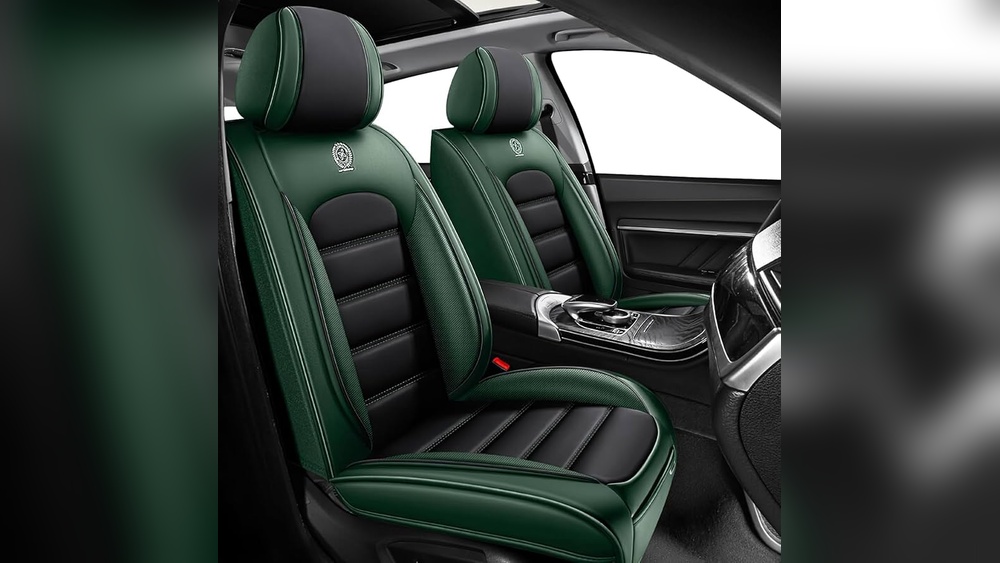
Sometimes, investing in a quality set of floor mats or seat covers can also help, especially if you plan to sell your Cherokee later.
A clean, well-cared-for interior makes a big difference in resale value and helps prevent wear from dirt, mud, or spilled drinks.
Jeep Cherokee Vs. Other Suvs
How Does The Cherokee’s Lifespan Compare To Similar Suvs?
| SUV Model | Average Lifespan (Miles) | Reliability Rating (Out of 5) |
|---|---|---|
| Jeep Cherokee | 200,000 | 3.7 |
| Toyota RAV4 | 250,000 | 4.4 |
| Honda CR-V | 230,000 | 4.2 |
| Ford Escape | 175,000 | 3.5 |
While Cherokees may not last as long as some Japanese SUVs, they are built for tougher conditions and off-road use.
It’s worth noting that even though the Toyota RAV4 and Honda CR-V might last longer on average, the Jeep Cherokee often stands out for its ability to handle dirt roads, snow, and steep terrain.
If you prioritize adventure or live in an area with rough winters, the Cherokee’s strengths may outweigh the slightly shorter lifespan.
Plus, parts and repairs for Cherokees are widely available in most regions, which can make long-term ownership easier.
Frequently Asked Questions
How Many Miles Can A Jeep Cherokee Last?
Most Jeep Cherokees last 150,000–250,000 miles. Some owners have reached over 300,000 miles with careful maintenance and gentle driving.
There are even stories of Cherokees being passed down from parent to child, showing that with dedication, these SUVs can truly go the distance.
If you plan to keep your Cherokee for a long time, treating small issues early and using quality parts will pay off.
What Are The Most Common Reasons Jeep Cherokees Fail Early?
Transmission failure, lack of regular maintenance, and rust are the top reasons. Ignoring warning lights or strange noises can also lead to big problems.
Some owners also overlook the cooling system, leading to engine overheating. Replacing worn belts and hoses before they break is another way to avoid sudden breakdowns.
Is It Expensive To Keep A Jeep Cherokee Running Past 200,000 Miles?
Costs rise after 200,000 miles. You may need to replace major parts like suspension, transmission, or sensors. Planning for these repairs can help manage expenses.
Budgeting for repairs and saving a little each month for car maintenance can make these costs less stressful. Sometimes, finding a trusted local mechanic familiar with Jeeps saves money compared to dealership prices.
Does The Jeep Cherokee’s Off-road Ability Affect Its Lifespan?
Yes. Frequent off-roading puts more stress on the suspension, drivetrain, and body. If you drive mostly on highways, your Cherokee will likely last longer.
Installing skid plates or undercarriage protection can help if you love taking your Cherokee off the beaten path. After each off-road trip, checking for loose bolts or damaged parts helps prevent small issues from getting worse.
Are Older Jeep Cherokees More Reliable Than Newer Models?
Older Cherokees (especially 1997 2001) are often more reliable because they have simpler engines and fewer electronic parts. Newer models offer more comfort but may need more repairs.
If you value easy DIY repairs and a long-lasting engine, an older model might be best. But if you want advanced features and a quieter ride, newer Cherokees are a strong choice, just be ready for possible sensor or computer issues.
Jeep Cherokees are built tough and can last many years with the right care. If you keep up with maintenance, pay attention to common issues, and drive responsibly, you can expect your Cherokee to serve you well for over a decade. For more detailed stats and owner stories, visit the Jeep Cherokee Wikipedia page. Whether you’re planning your next road trip or just daily driving, a well-maintained Cherokee can be a reliable partner for years to come.