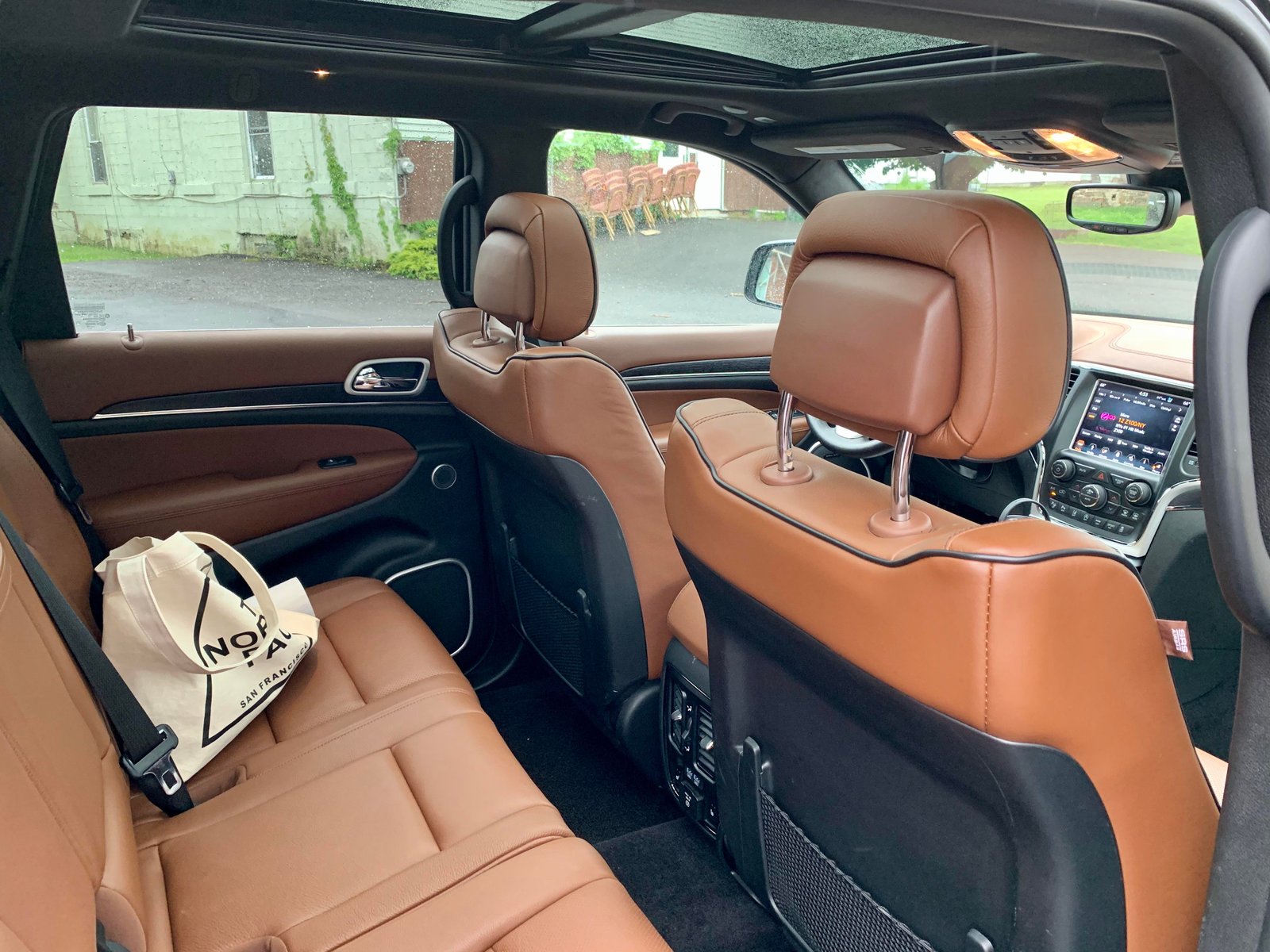
Cleaning Jeep leather seats is not just about keeping your vehicle looking good. It’s about preserving the value, comfort, and durability of your ride.
Leather seats in Jeeps are designed for adventure, but they need special care to stay fresh. Many owners don’t realize that dust, spills, sweat, and sunlight can damage leather over time.
If you learn the right way to clean and protect your seats, you can prevent cracks, fading, and sticky surfaces. This guide gives you clear steps, practical advice, and some expert tips that many beginners miss.
Why Jeep Leather Seats Need Special Care
Jeep interiors face tough conditions. Whether you drive off-road, commute, or travel with pets and kids, leather seats get exposed to mud, sweat, UV rays, and temperature swings. Unlike fabric, leather is sensitive to moisture and chemicals. Using the wrong products can cause stains or even peel the surface. Regular cleaning helps keep the leather soft, prevents odors, and extends its lifespan.
Many Jeep owners think leather is low-maintenance, but it actually needs careful attention. For example, sunscreen, bug spray, and even jeans can transfer oils and dyes onto seats, leading to difficult stains.
A quick vacuum and wipe aren’t enough. You need a complete cleaning routine.
Essential Cleaning Supplies
Before you start, gather these supplies:
- Vacuum cleaner with soft brush attachment
- Microfiber cloths (at least 2-3)
- Leather cleaner (pH-balanced, made for automotive leather)
- Leather conditioner (non-greasy, UV protection preferred)
- Soft-bristled brush
- Distilled water (for dilution and rinsing)
Avoid household cleaners like bleach or ammonia. They can strip the leather’s natural oils.
Here is a quick comparison of popular leather cleaning products:
| Product | Type | Safe for Jeep Leather | Average Price |
|---|---|---|---|
| Meguiar’s Gold Class | Cleaner & Conditioner | Yes | $12 |
| Lexol Leather Cleaner | Cleaner | Yes | $10 |
| Armor All Leather Care | Conditioner | Yes | $9 |
Step-by-step: Cleaning Jeep Leather Seats
Follow these steps for best results:
- Vacuum thoroughly. Use the soft brush attachment to remove dust and debris from seams and folds. This prevents scratching during cleaning.
- Wipe with a dry microfiber cloth. This removes surface dirt and prepares the leather.
- Apply leather cleaner. Spray or pour a small amount onto a microfiber cloth, not directly onto the seat. Gently rub the surface, working in small sections. Use circular motions for stains. Avoid soaking the leather.
- Brush creases and corners. Use a soft-bristled brush to clean seams, stitching, and textured areas. Be gentle to avoid fraying.
- Remove excess cleaner. Wipe seats with a damp microfiber cloth (use distilled water). Ensure no residue remains.
- Dry completely. Use a clean, dry cloth to absorb moisture. Wait at least 20 minutes before the next step.
- Apply conditioner. Put a small amount onto a cloth and spread evenly. Conditioner restores natural oils and protects against UV rays.
- Buff the seats. After 10-15 minutes, buff with a clean cloth to remove any sticky or greasy spots.
This routine should be done every 2-3 months. For heavily used Jeeps, monthly cleaning is better.
Common Mistakes And How To Avoid Them
Many Jeep owners make these errors:
- Using too much cleaner: Over-wetting leather can cause stains and damage.
- Skipping conditioner: Without it, leather dries out and cracks.
- Cleaning in direct sunlight: Heat causes cleaner and conditioner to dry unevenly.
- Using rough cloths or brushes: These can scratch or tear the leather.
- Ignoring spills: Letting liquids sit leads to permanent stains.
A smart tip: Always test any product on a hidden area first. Some Jeep models have synthetic leather blends that react differently.

Extra Tips For Long-term Protection
Protecting your Jeep leather seats is as important as cleaning them. Here are some expert tips:
- Park in the shade: UV rays speed up fading and drying.
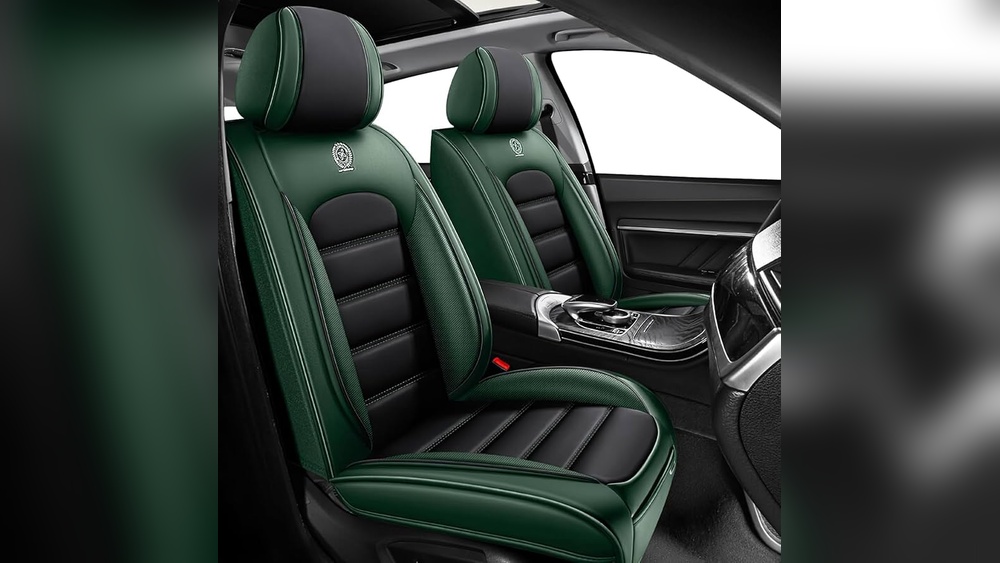
- Use seat covers: For off-road or muddy trips, covers prevent dirt and wear.
- Treat stains quickly: Fresh spills are easier to remove than old ones.
- Ventilate your Jeep: Moisture causes mold and musty odors.
- Avoid sharp objects: Keys, tools, and pet claws can puncture leather.
A lesser-known insight: Jeep seats often have perforations for ventilation. These tiny holes trap dirt easily. Use compressed air or a soft brush to clean them.
Leather Vs. Fabric Seats: Durability And Maintenance
Jeep owners often wonder whether leather is worth the care compared to fabric. Here’s a quick comparison:
| Feature | Leather Seats | Fabric Seats |
|---|---|---|
| Durability | High (with care) | Medium |
| Stain Resistance | Better | Lower |
| Cleaning Frequency | Every 2-3 months | Monthly |
| Comfort | Soft, cool | Warm, textured |

Cost Of Professional Jeep Leather Cleaning
If you prefer professional cleaning, expect to pay $75 $150 per session, depending on location and Jeep model. Many detailers use specialized tools and products.
DIY cleaning saves money but requires care and patience.
| Service | Typical Price | Time Required | Results |
|---|---|---|---|
| DIY Cleaning | $20–$30 | 1–2 hours | Good (if done carefully) |
| Professional Detailing | $75–$150 | 2–3 hours | Excellent (deep clean) |
Frequently Asked Questions
How Often Should I Clean Jeep Leather Seats?
Clean your Jeep leather seats every 2-3 months. If your Jeep is used for off-roading or has frequent spills, monthly cleaning is ideal.
Can I Use Household Cleaners On Leather Seats?
No. Most household cleaners contain chemicals that damage leather. Always use a pH-balanced leather cleaner made for automotive interiors.
What Is The Best Way To Remove Tough Stains?
For tough stains, use a soft brush and a leather cleaner. If stains remain, try a leather stain remover recommended by your Jeep dealer. Never scrub harshly.
Should I Use A Leather Conditioner Every Time I Clean?
Yes. Applying leather conditioner after cleaning keeps seats soft, prevents cracks, and provides UV protection. Skip it only if you cleaned the seats with a product that already contains conditioner.
Are Jeep Leather Seats Real Leather Or Synthetic?
Most modern Jeep seats are genuine leather with synthetic backing or trim. Always check your owner’s manual or ask your dealer for details. This affects which products you should use.
Keeping your Jeep leather seats clean is simple with the right tools and routine. Regular care prevents long-term damage and keeps your ride comfortable. For more tips on auto leather care, visit WikiHow. With patience and proper products, your Jeep seats will stay looking new for years.