If you drive a Jeep Wrangler, you know how important it is to keep your engine running at the right temperature. Overheating can lead to costly damage, while running too cool can reduce efficiency. Many Wrangler owners, especially those new to off-roading or owning older models, wonder: How hot should a Jeep Wrangler run? This guide will help you understand the optimal temperature, why it matters, and what to do if your Wrangler gets too hot or cold.
Normal Operating Temperature For A Jeep Wrangler
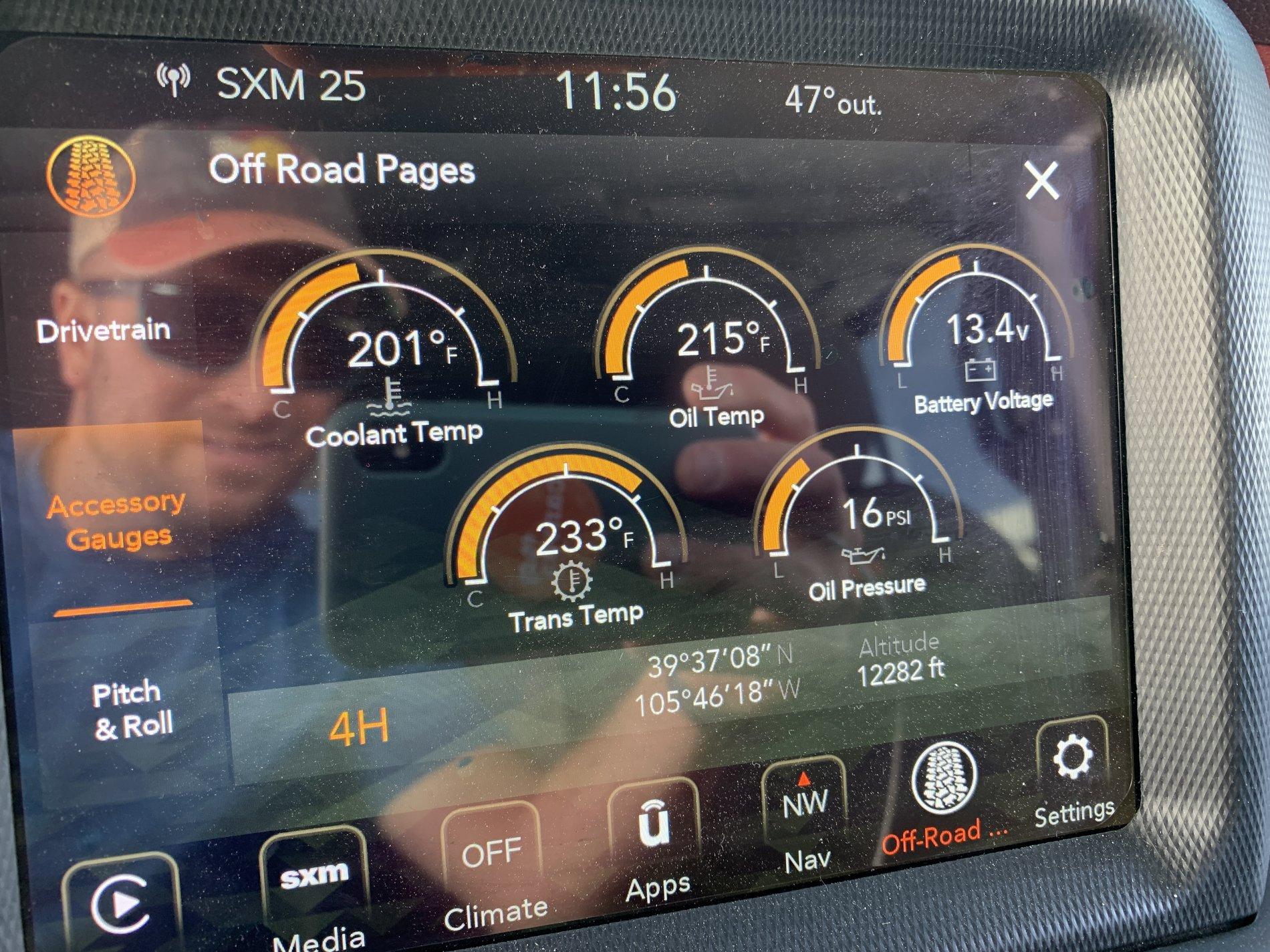
Most Jeep Wranglers are designed to run between 195°F and 220°F (90°C to 104°C). This range is considered normal for both newer and older models. The thermostat typically opens at around 195°F, allowing coolant to flow and regulate temperature.
Here’s a quick comparison of typical Jeep Wrangler engine temperatures by model year:
| Model Year | Normal Temp Range (°F) | Notes |
|---|---|---|
| 1997–2006 (TJ) | 195–210 | Older cooling systems, less electronics |
| 2007–2018 (JK) | 200–220 | More sensors, tighter emissions |
| 2018–Present (JL) | 200–220 | Modern engines, advanced cooling |
Your Wrangler’s temperature gauge will usually sit just below the halfway point during normal driving. If it spikes above this range, it’s a sign to check your cooling system.
Why Engine Temperature Matters
Keeping your Jeep Wrangler in the optimal temperature range is about more than just comfort. Here’s why it’s so important:
- Prevents engine damage: Running too hot can warp cylinder heads, blow gaskets, or cause permanent engine damage.
- Maintains performance: Engines are most efficient at their designed temperature. Too cold, and fuel doesn’t burn properly. Too hot, and you risk knocking or loss of power.
- Protects sensors and electronics: Modern Wranglers rely on temperature data for fuel injection, emissions, and other systems.
Running outside the normal range, even by a small margin, can reduce your Jeep’s reliability and lifespan.
Common Causes Of Overheating
If your Wrangler is running hotter than normal, several things could be wrong. Here are the most common causes:
- Low coolant: Coolant absorbs heat. Low levels mean poor heat transfer.
- Faulty thermostat: If stuck closed, it prevents coolant from circulating.
- Clogged radiator: Dirt, mud, or debris can block airflow.
- Bad water pump: If the pump fails, coolant won’t circulate.
- Broken fan: The radiator fan pulls air through when stopped or moving slow.
Here’s a quick overview of symptoms and what they might mean:
| Symptom | Possible Cause |
|---|---|
| Gauge spikes in traffic | Fan not working, radiator clogged |
| Overheats at highway speeds | Low coolant, thermostat stuck |
| Constantly runs hot | Bad water pump, system leak |
A non-obvious tip: Don’t just check coolant level—check for leaks or the wrong coolant type. Mixing coolants or using water alone can raise engine temps.
How To Monitor And Maintain Proper Temperature
Keeping your Jeep in the safe temperature zone is easier if you follow these steps:
- Check coolant regularly: Look at the reservoir, not just the radiator cap.
- Inspect hoses and clamps: Old hoses can crack and leak.
- Flush the system: Change coolant every 2–3 years, or as your manual recommends.
- Watch the fan: Make sure it turns on when the engine warms up.
- Use the right coolant: Wranglers need specific formulas—refer to your owner’s manual.
A non-obvious insight: Many owners forget to bleed air from the system after a coolant change. Air pockets can cause overheating even if the level looks correct.
If you want to monitor temperature more precisely, consider adding a digital OBD-II scanner or a Bluetooth sensor. These can give real-time data, often more accurate than the dashboard gauge.
What To Do If Your Wrangler Runs Too Hot
If you notice your Jeep’s gauge creeping above normal, act quickly:
- Turn off the AC: This reduces engine load.
- Turn on the heater: It pulls heat from the engine into the cabin.
- Pull over safely: Let the engine cool before opening the hood.
- Check coolant: Only open the cap when the engine is cool.
- Look for leaks: Wet spots under the vehicle or steam are warning signs.
If the engine overheats repeatedly, don’t keep driving. Seek professional help to avoid permanent damage.
When Is It Too Cold?
While rare, some Wranglers run colder than normal, especially in winter or if the thermostat is stuck open. Signs include:
- Weak heater: Cabin never gets warm.
- Poor fuel economy: Engine runs rich.
- Low gauge reading: Needle stays below normal.
A cold engine is less efficient and may wear out faster. Replace the thermostat if you suspect a problem.
Upgrades For Extreme Conditions
If you often drive in hot climates or off-road, your Jeep might need extra cooling. Consider these upgrades:
- High-performance radiator: Better heat dissipation.
- Electric fan: Stronger airflow at low speeds.
- Coolant additives: Some products improve heat transfer.
Always use parts designed for your Wrangler’s model and engine type.
Frequently Asked Questions
What’s The Best Engine Temperature For A Jeep Wrangler?
The ideal range is 195–220°F. Most Wranglers will stay around 200°F during normal driving.
Is It Normal For My Jeep To Run Hotter In Summer?
Yes, outside temperature affects engine heat. Running 5–10°F higher in hot weather is common, but it shouldn’t go above 220°F for extended periods.
What Should I Do If My Temperature Gauge Suddenly Spikes?
Pull over as soon as it’s safe. Turning on the heater can help cool the engine. Check coolant and look for obvious leaks, but only open the hood when the engine has cooled.
Can I Use Water Instead Of Coolant?
In an emergency, water is okay for a short distance. But coolant is essential for proper boiling and freezing protection. Always refill with the correct mix as soon as possible. More details can be found at Wikipedia – Antifreeze.
How Often Should I Change My Jeep Wrangler’s Coolant?
Most experts recommend every 2–3 years or 30,000 miles. Check your owner’s manual for your exact model’s interval.
Maintaining the right engine temperature is one of the best things you can do to extend your Jeep Wrangler’s life. Regular checks and quick action at the first sign of trouble will keep your adventures safe and fun.
Whether you’re tackling trails or driving in the city, understanding your Wrangler’s temperature is key to reliable performance.