How Heavy Is A Jeep Wrangler
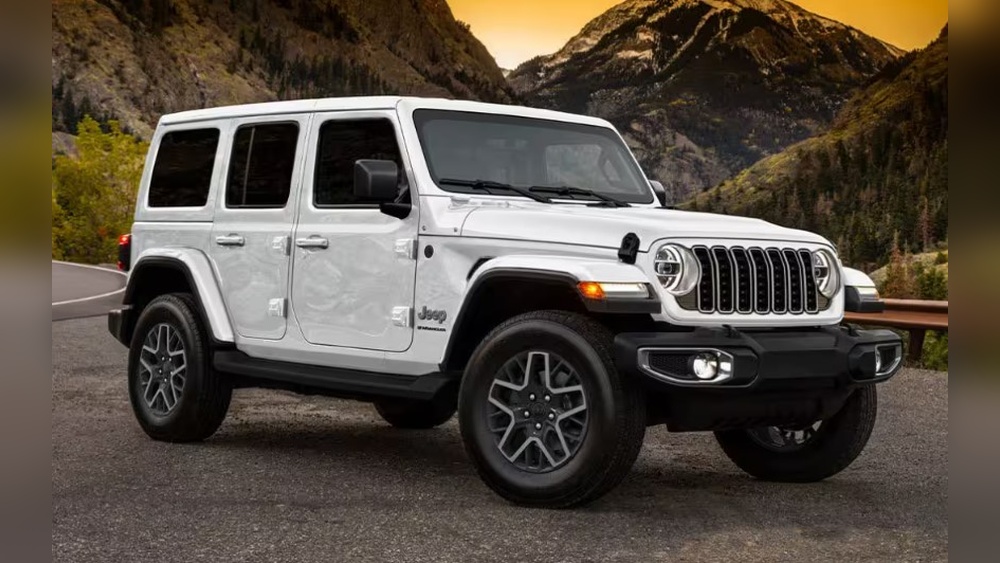
If you’re thinking about buying a Jeep Wrangler, or you’re just curious, you might wonder: how heavy is a Jeep Wrangler? The Wrangler is famous for its rugged build and off-road skills, but its weight is more important than many people think. Weight affects everything from fuel economy to how it handles tough trails. In this article, you’ll learn exactly how much a Jeep Wrangler weighs, what influences its weight, and why it matters for drivers and enthusiasts.
Typical Jeep Wrangler Weights
The Jeep Wrangler comes in several models and trims, each with its own weight. The weight of a vehicle is called its curb weight—how much it weighs with all fluids and a full tank of gas, but without passengers or cargo.
Here’s a quick look at the curb weights for the most common modern Jeep Wranglers:
| Model Year | 2-Door Wrangler | 4-Door Wrangler Unlimited |
|---|---|---|
| 2022 | 3,970–4,167 lbs | 4,167–4,549 lbs |
| 2021 | 3,955–4,167 lbs | 4,167–4,449 lbs |
| 2020 | 3,948–4,129 lbs | 4,201–4,449 lbs |
The numbers can change depending on the engine, trim, and optional features. As a rule, the 4-door Unlimited models are heavier than the 2-door Wranglers.
What Affects A Wrangler’s Weight?
Several factors can change how heavy a Jeep Wrangler is:
- Body Style: The 2-door model is lighter than the 4-door Unlimited.
- Engine Choice: Bigger engines, like the V6 or diesel, add weight compared to the standard 4-cylinder.
- Transmission: Automatic transmissions usually weigh more than manuals.
- Hardtop vs. Soft Top: Hardtops are heavier than soft tops.
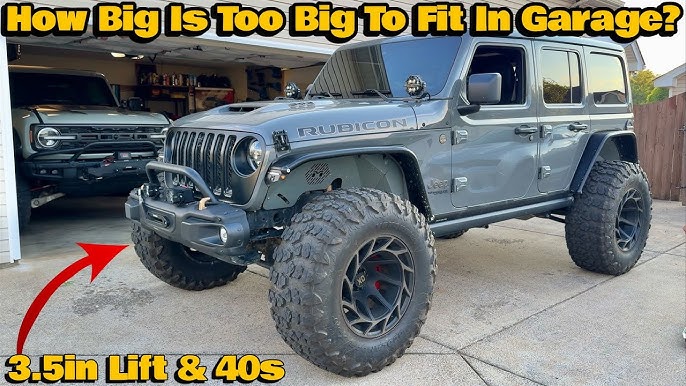
- Added Features: Upgrades like steel bumpers, winches, or larger tires can add hundreds of pounds.
Here’s how some of these options compare:
| Feature | Weight Impact |
|---|---|
| Hardtop | +100 to 150 lbs |
| Steel Bumpers | +50 to 100 lbs |
| Winch | +50 to 100 lbs |
| 35-inch Tires | +40 to 80 lbs |
Even small changes add up, especially if you’re planning to modify your Wrangler for off-roading.
Why Wrangler Weight Matters
Knowing how much your Jeep Wrangler weighs is important for several reasons:
- Towing and Payload: The heavier the vehicle, the less weight you can safely tow or carry. Overloading can damage your Jeep or create safety risks.
- Fuel Economy: Heavier Wranglers usually get worse gas mileage. If you add big tires and steel parts, expect to fill up more often.
- Handling and Off-Roading: A heavier Wrangler might feel more stable on the highway but can be harder to control on rough trails.
- Legal Limits: Some roads, bridges, and ferries have weight limits. Knowing your Wrangler’s weight can help you avoid fines or trouble.
Many new owners forget to check their Gross Vehicle Weight Rating (GVWR), which is the maximum total weight (Jeep + people + cargo) the vehicle can safely carry. Always check this number in your manual or on the driver’s side door.
Comparing Jeep Wrangler Weights With Other Suvs
How does the Jeep Wrangler’s weight stack up against other popular SUVs? Here’s a look:
| Vehicle | Curb Weight |
|---|---|
| Jeep Wrangler (4-door) | 4,200–4,500 lbs |
| Toyota 4Runner | 4,400–4,805 lbs |
| Ford Bronco (4-door) | 4,500–5,000 lbs |
| Subaru Outback | 3,600–3,900 lbs |
The Jeep Wrangler is in the middle compared to other midsize SUVs. It’s heavier than a Subaru Outback, but lighter than some versions of the Ford Bronco or Toyota 4Runner.

Real-world Examples
Let’s say you choose a 2022 Jeep Wrangler Unlimited Rubicon with a V6 engine, hardtop, steel bumpers, and a winch. Here’s a rough weight breakdown:
- Base Wrangler Unlimited Rubicon: 4,449 lbs
- Hardtop: +120 lbs
- Steel bumpers: +80 lbs
- Winch: +75 lbs
Your total curb weight would be about 4,724 lbs before you add passengers or luggage. This is important if you plan to tow a trailer or load up for a camping trip.
Two insights many beginners miss:
- Aftermarket parts can quickly add 200–400 lbs, which reduces your available payload. Always add up the weight of upgrades.
- Tire choice affects more than looks. Larger, heavier tires increase weight and rolling resistance, which hurts fuel economy and acceleration.
Tips For Managing Wrangler Weight
If you want your Wrangler to perform its best, keep these tips in mind:
- Weigh your Jeep at a local truck scale after making upgrades.
- Remove heavy items (like roof racks) when not needed.
- If you off-road often, keep weight low and balanced for better handling.
- Know your Jeep’s GVWR and never exceed it.
Making smart choices helps your Wrangler stay safe and fun to drive.

Frequently Asked Questions
How Much Does A 2-door Jeep Wrangler Weigh?
A typical 2-door Jeep Wrangler weighs between 3,950 and 4,170 lbs depending on the trim and options.
Does Adding Bigger Tires Make My Wrangler Much Heavier?
Yes, larger tires can add 40–80 lbs total (for all four). This affects handling and gas mileage, especially with other heavy upgrades.
What Is The Heaviest Jeep Wrangler Model?
The Wrangler Unlimited Rubicon 392, with its V8 engine, is the heaviest. It can reach over 5,100 lbs with certain options.
How Does Weight Affect Off-road Performance?
More weight means more stability on some surfaces, but it can hurt traction, make it harder to climb, and increase the risk of getting stuck in mud or sand.
Where Can I Find My Wrangler’s Exact Weight?
Check your owner’s manual or the sticker inside the driver’s door. For more details, the official Jeep website lists specifications for each model.
A Jeep Wrangler’s weight is a key part of its character. Whether you love hitting the trails or just want a tough daily driver, understanding its weight helps you make the best choices.
Pay attention to the numbers, especially if you add upgrades, and your Wrangler will handle whatever adventure you throw at it.