If you own or plan to buy a two-door Jeep, you might wonder about the weight of the hardtop. Many Jeep owners take off their hardtops for open-air driving, but lifting and storing them is not as simple as it looks.
Knowing the actual weight helps you prepare for safe removal, storage, or even shipping. Let’s break down how heavy a two-door Jeep hardtop really is, why it matters, and what else you should consider before taking it off.
How Much Does A 2 Door Jeep Hardtop Weigh?
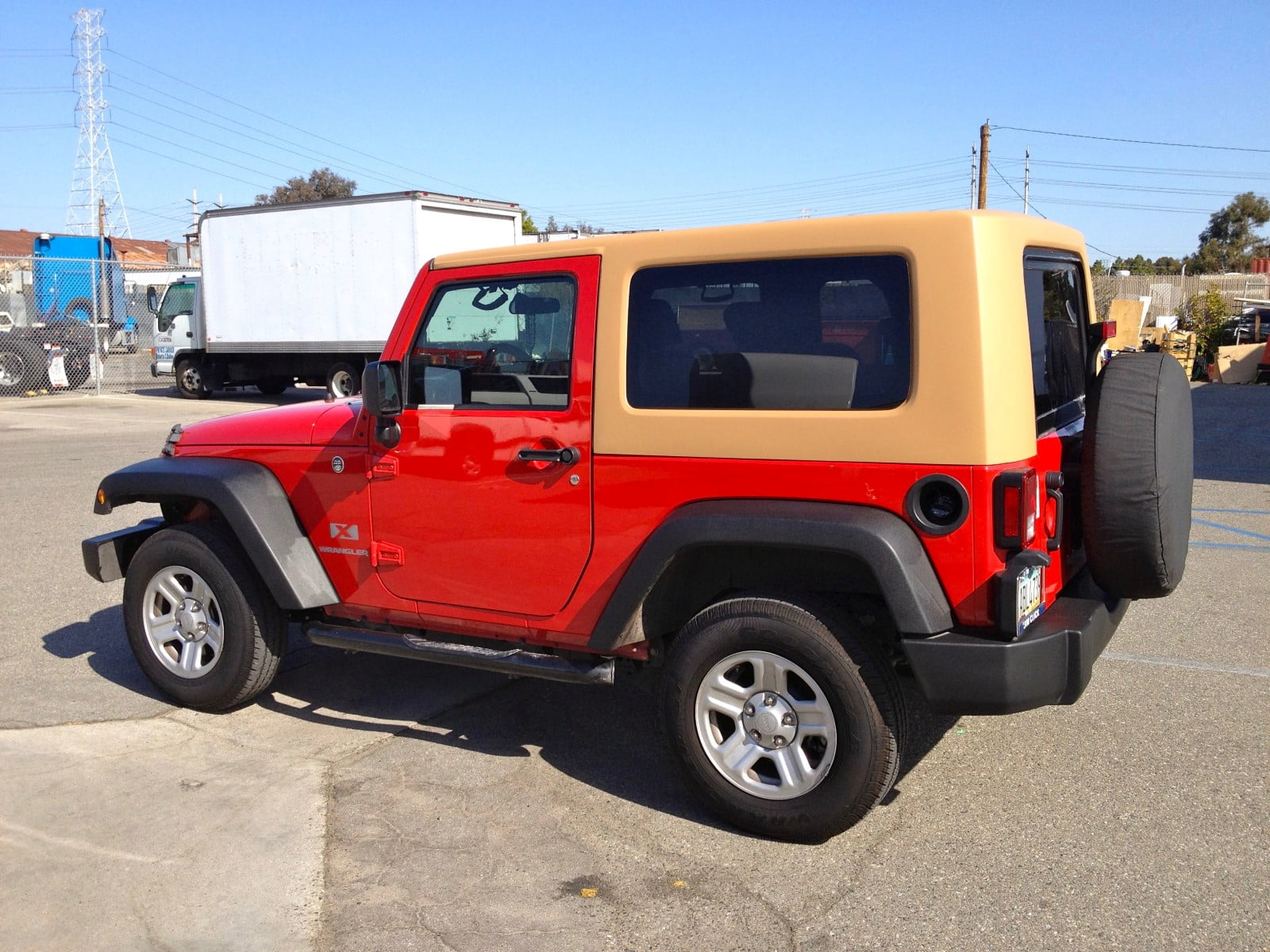
A 2 door Jeep hardtop usually weighs between 80 and 100 pounds (36–45 kg). The exact number depends on the Jeep model, year, and material of the hardtop.
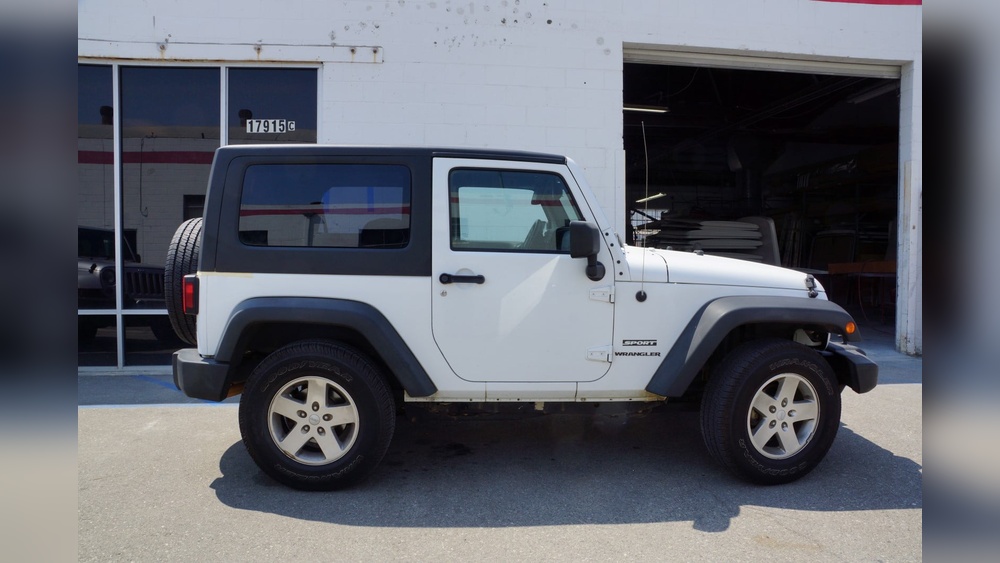
Most 2-door Jeep hardtops are made of fiberglass or a strong plastic composite. For example, the hardtop for the Jeep Wrangler JK (2007–2018) typically weighs about 90 pounds. The newer Jeep Wrangler JL (2018–present) hardtop is similar, often listed around 95 pounds.
Here’s a side-by-side look at common two-door Jeep hardtop weights:
| Jeep Model | Hardtop Weight (lbs) | Hardtop Weight (kg) |
|---|---|---|
| Wrangler TJ (1997–2006) | 80 | 36 |
| Wrangler JK (2007–2018) | 90 | 41 |
| Wrangler JL (2018–present) | 95 | 43 |
Non-obvious insight: Many owners underestimate the weight due to the hardtop’s large size and awkward shape. It’s not just the weight—it’s also about how you grip and move it.
Why Hardtop Weight Matters
Understanding the weight of your Jeep’s hardtop is important for several reasons:
- Safety: Removing a hardtop can be dangerous if you’re not prepared for its weight and size. Dropping it can cause injury or damage.
- Storage: You need a safe place to keep the hardtop when it’s off. Knowing the weight helps you plan for shelves or hoists.
- Transport: If you want to ship or transport your hardtop, you’ll need the correct weight for shipping costs.
- Modifications: Some owners replace the factory hardtop with lighter aftermarket options. The weight difference affects fuel economy and handling.
Pro tip: Always check your Jeep’s user manual or manufacturer website for the most accurate weight, as it may vary slightly between trims or years.
Removing And Handling A 2 Door Jeep Hardtop
Taking off a Jeep hardtop isn’t just about strength. The design makes it tricky for one person, even if the weight seems manageable.
Basic Steps To Remove
- Gather Tools: You’ll need a Torx wrench (usually T40 or T50) to remove the bolts.
- Disconnect Wiring: Unplug the rear windshield wiper and defroster wires.
- Remove Bolts: There are usually six to eight bolts along the roof and sides.
- Lift Carefully: With the bolts out, lift the hardtop straight up. It’s best to have a friend help.
Practical Example
A single person can lift an 80-pound hardtop, but the size makes it hard to balance. Most Jeep owners use two people to avoid scratches or drops.
Common Mistakes To Avoid
- Trying to lift alone: The risk of dropping or damaging the hardtop is high.
- Ignoring wires: Forgetting to disconnect wiring can break connectors.
- Rushing: Going too fast can bend alignment pins or scratch paint.
Hardtop Weight Vs. Soft Top
Many Jeep fans switch between hardtops and soft tops depending on the season. Here’s how their weights compare:
| Top Type | Average Weight (lbs) | Key Features |
|---|---|---|
| Hardtop | 80–100 | Best for security, insulation, winter use |
| Soft Top | 20–25 | Lightweight, easy to remove, less secure |
Key insight: The soft top is much lighter and easier to handle, but the hardtop gives better protection from weather and theft. Some owners keep both and swap them seasonally.
Aftermarket And Alternative Hardtops
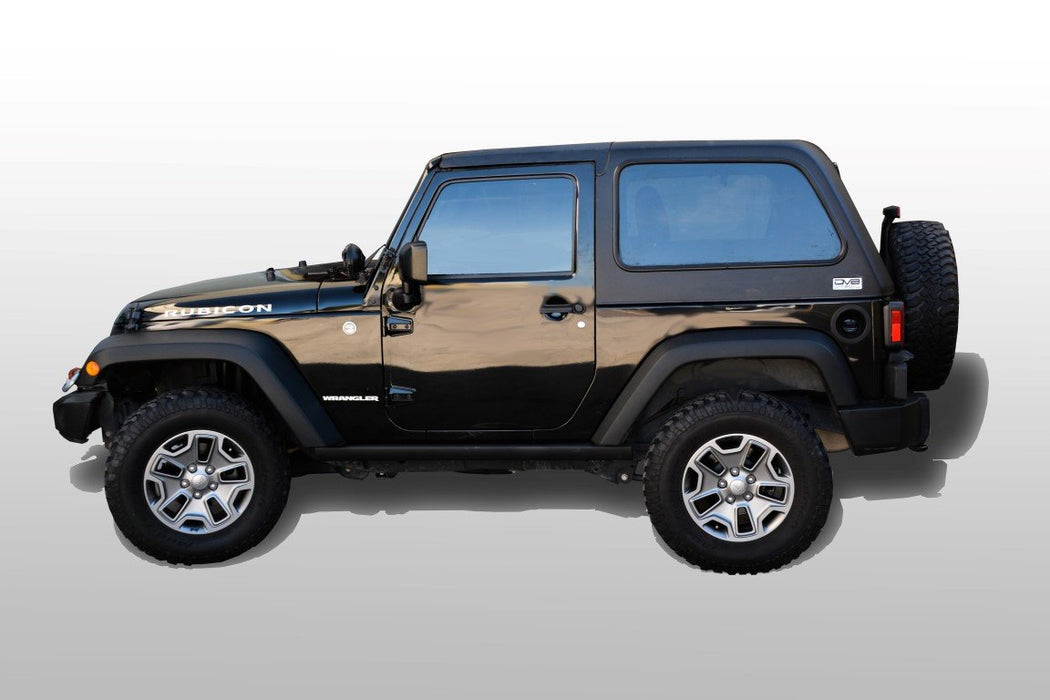
You might see hardtops with different weights on the market. Some aftermarket hardtops use lighter materials like aluminum or carbon fiber, dropping the weight to 60–70 pounds. These are less common and usually more expensive.
Practical tip: Check the product details before buying a non-factory hardtop. Some may not fit as perfectly, or may have different insulation qualities.
How Hardtop Weight Affects Your Jeep
The weight of your hardtop has a small effect on your Jeep’s overall weight, gas mileage, and handling. Removing the hardtop will lower the center of gravity slightly, but you probably won’t notice a big difference in driving.
However, if you often swap between a hardtop and no top (or a soft top), you might see:
- Slight improvement in fuel economy without the heavy hardtop
- A bit more road noise and less insulation
- Less security for gear left inside
Hidden tip: If you’re close to your Jeep’s maximum payload, remember to count the weight of the hardtop in your calculations—especially for off-road trips.
Storage And Lifting Solutions
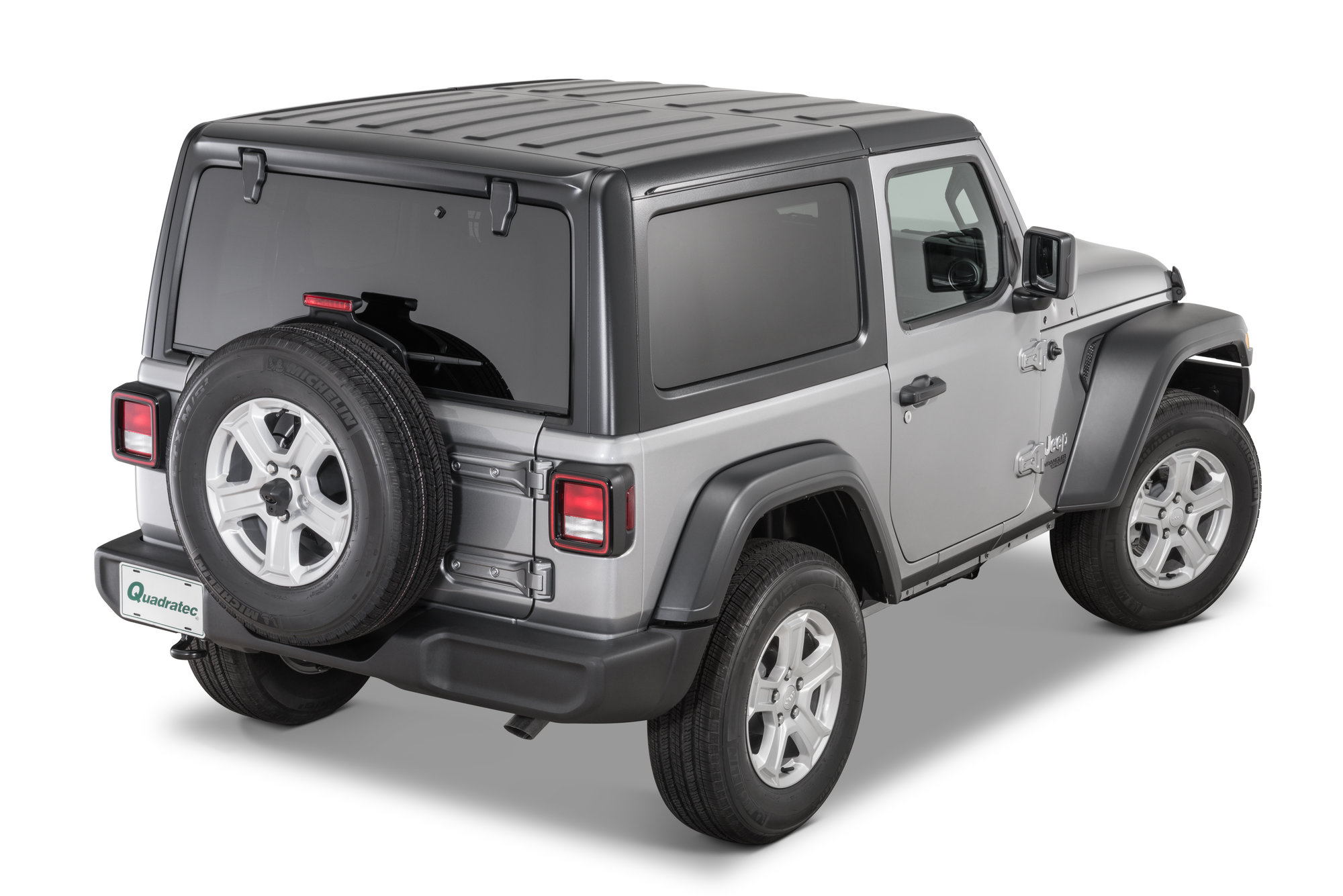
Lifting and storing a Jeep hardtop can be a challenge, especially if you do it alone. Many Jeep owners invest in hardtop hoists—simple garage pulley systems that let you lift the hardtop off by yourself and keep it up out of the way.
Storage advice: Always store the hardtop standing on its edge or using a padded rack. Laying it flat can cause the roof to warp over time.
Here’s a quick comparison of lifting methods:
| Method | People Needed | Cost | Pros | Cons |
|---|---|---|---|---|
| Manual lift | 2 | $0 | Simple, no tools needed | Risk of damage, needs help |
| Garage hoist | 1 | $100–$200 | One person, easy storage | Installation required |
| Rolling cart | 1 | $150–$400 | Mobile, safe for top | Needs storage space |
Frequently Asked Questions