The Jeep Grand Cherokee is a name you see often when talking about midsize SUVs. For many, it stands for rugged style and off-road ability. But how good is it, really? Is it worth your money, or are there better choices? In this guide, you’ll find a clear and honest look at the Grand Cherokee’s strengths, weaknesses, and what makes it stand out. Whether you want a family car, a weekend explorer, or a daily commuter, this article will help you decide if the Grand Cherokee fits your needs.
Performance And Driving Experience
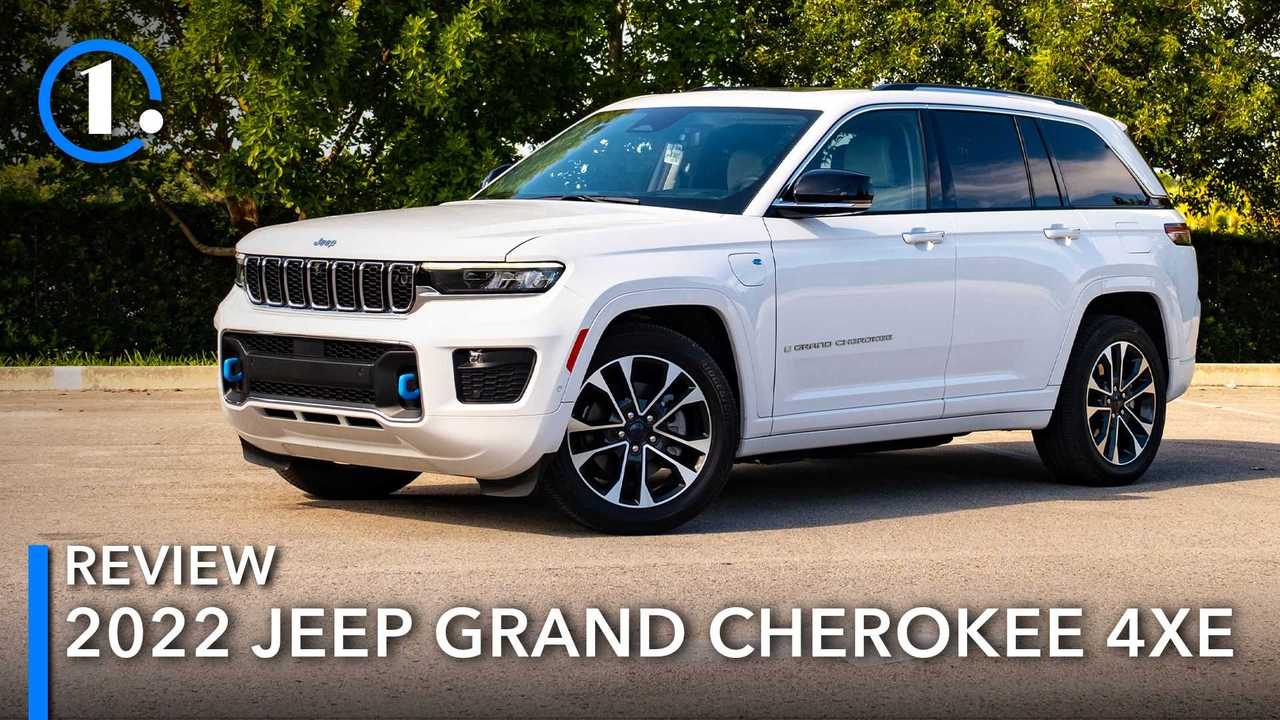
The Grand Cherokee is known for its strong engines and comfortable ride. The base model comes with a 3.6-liter V6 that delivers 293 horsepower. Many drivers find this engine powerful enough for city driving and highway trips. For those who want more, there’s a 5.7-liter V8 and even a 375-horsepower plug-in hybrid called the 4xe.
Towing is a big selling point. The V6 can tow up to 6,200 pounds, while the V8 handles 7,200 pounds. This is higher than most other midsize SUVs.
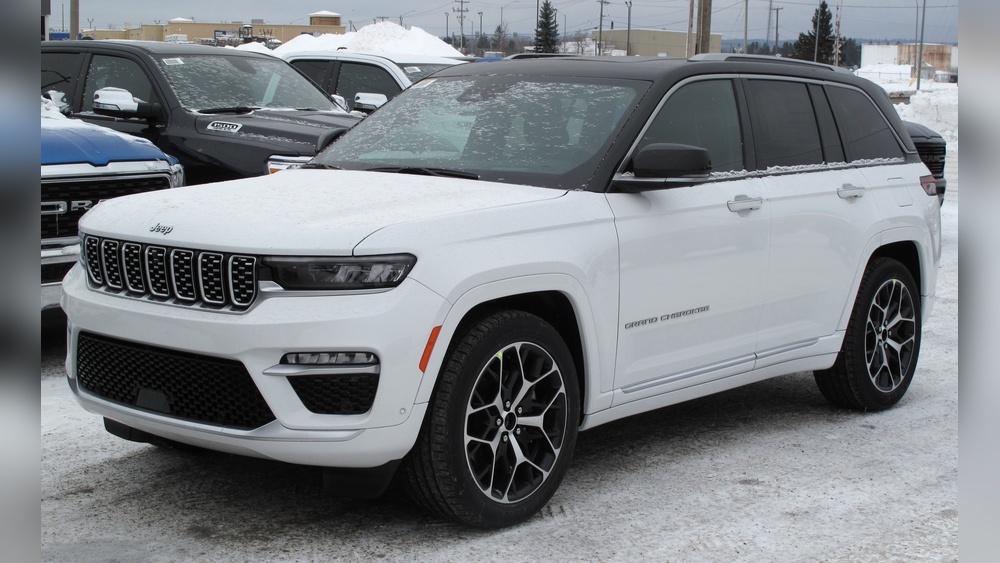
Off-road, the Grand Cherokee shines. The Quadra-Trac and Quadra-Drive II 4×4 systems, plus options like air suspension, help it handle mud, rocks, and snow. Even the standard two-wheel drive version gives a comfortable ride for city drivers.
But there are two things beginners often miss:
- The V8 engine gives more power but uses much more gas.
- The off-road packages add weight, which can reduce fuel economy and make the ride stiffer.
Interior Quality And Comfort
Step inside, and you’ll see why the Grand Cherokee is popular. The cabin feels upscale, especially in higher trims.
You get soft-touch materials, good fit and finish, and lots of space. The seats are comfortable for long trips.
Heated and ventilated front seats come standard on most trims.
Here’s a quick look at how the Grand Cherokee’s interior compares to two rivals:
| Model | Front Legroom | Rear Legroom | Cargo Space |
|---|---|---|---|
| Jeep Grand Cherokee | 41.3 in | 38.2 in | 37.7 cu ft |
| Toyota Highlander | 42.0 in | 38.4 in | 16.0 cu ft |
| Ford Explorer | 43.0 in | 39.0 in | 18.2 cu ft |
The Grand Cherokee stands out with its cargo space and luxury options like a 10.1-inch touchscreen and digital driver display. The Uconnect infotainment system is easy to use, with clear menus and quick response.
A small downside: Lower trims use more plastic, and the third-row seating (in Grand Cherokee L) is less roomy than some rivals.
Reliability And Ownership Costs
Reliability is important for any car, and here, the Grand Cherokee has a mixed record. J. D. Power gives it an average score, and repair costs can be higher than some competitors.
Let’s compare estimated annual maintenance costs:
| Model | Average Yearly Maintenance | Common Issues |
|---|---|---|
| Jeep Grand Cherokee | $666 | Electrical, transmission |
| Toyota Highlander | $489 | Brakes, minor engine |
| Honda Pilot | $542 | Brakes, suspension |
One non-obvious insight: Older Grand Cherokees (especially 2011–2014) had more issues than newer ones. The latest models, from 2021 onward, have improved a lot in reliability.
Insurance costs are also above average, mainly due to the Grand Cherokee’s higher price and repair costs.
Technology And Safety
The Grand Cherokee is loaded with tech. You get Apple CarPlay, Android Auto, navigation, and even wireless charging. Some trims offer a passenger display and rear-seat entertainment, making long trips more enjoyable for families.
Safety is another strong point. The Grand Cherokee comes standard with:
- Forward collision warning
- Automatic emergency braking
- Lane-keeping assist
- Blind-spot monitoring
The National Highway Traffic Safety Administration (NHTSA) gives the 2023 Grand Cherokee a five-star overall safety rating.
A tip for buyers: Advanced safety features are standard only on newer models (2022+). If you buy used, check for these features.
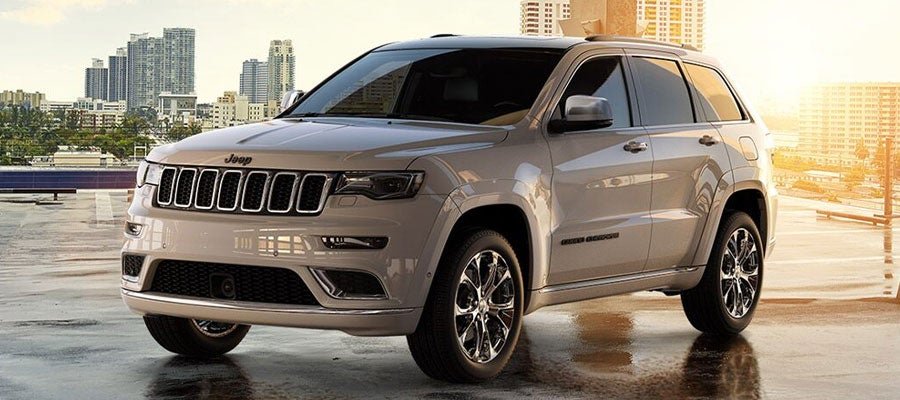
Fuel Economy
Fuel economy is average for the class. The V6 gets about 19 mpg city and 26 mpg highway.
The V8 drops to 14 mpg city and 22 mpg highway. The plug-in hybrid 4xe offers up to 56 MPGe, making it the best choice for those who want to save on gas.
Here’s a quick comparison:
| Engine | City MPG | Highway MPG |
|---|---|---|
| 3.6L V6 | 19 | 26 |
| 5.7L V8 | 14 | 22 |
| 4xe Plug-in Hybrid | 56 MPGe | — |
The 4xe is a game changer for city drivers, but it costs more upfront.
Who Should Consider A Grand Cherokee?
The Grand Cherokee is a strong choice if you want:
- Real off-road ability plus city comfort
- High towing capacity
- Upscale interior and tech features
But, it may not be the best fit if you want:
- The lowest ownership costs
- Highest fuel economy
- The most reliable, trouble-free vehicle
For more details about Jeep’s history and model changes, see Wikipedia’s Jeep Grand Cherokee page.
Frequently Asked Questions
Is The Jeep Grand Cherokee Good For Families?
Yes. The Grand Cherokee offers lots of space, comfortable seats, and advanced safety features. The Grand Cherokee L adds a third row for bigger families.
How Long Do Jeep Grand Cherokees Last?
With regular maintenance, many Grand Cherokees reach 150,000 200,000 miles. Some owners report more, but reliability depends on the year and engine.
Are Jeep Grand Cherokees Expensive To Repair?
They can be. Repair costs are higher than Honda or Toyota SUVs, especially for older models. Newer Grand Cherokees are more reliable, but expect higher insurance and parts prices.
Does The Grand Cherokee Hold Its Value?
It does better than average for American SUVs. However, brands like Toyota and Honda still have higher resale values. Special trims like the Trailhawk keep value longer.
Is The Grand Cherokee Good For Off-roading?
Absolutely. The Grand Cherokee is one of the best off-road SUVs in its class, especially with 4×4 systems and the Trailhawk trim.
The Jeep Grand Cherokee is a well-rounded SUV with real strengths in power, comfort, and off-road performance. It’s not perfect reliability and cost are concerns but for many, its features and style are hard to beat.
If you value adventure and a bit of luxury, the Grand Cherokee is worth a serious look.