If you own a Jeep Wrangler, you’ve probably noticed the “4H” setting on the transfer case. Many drivers wonder: How fast can you go in 4H in a Jeep Wrangler? This is a common question, especially for those who want to use their Jeep for both daily driving and off-road adventures. Understanding the safe limits of 4H can help you protect your vehicle and enjoy a smoother ride, whether you’re on a snowy road or a muddy trail.
What Is 4h In A Jeep Wrangler?
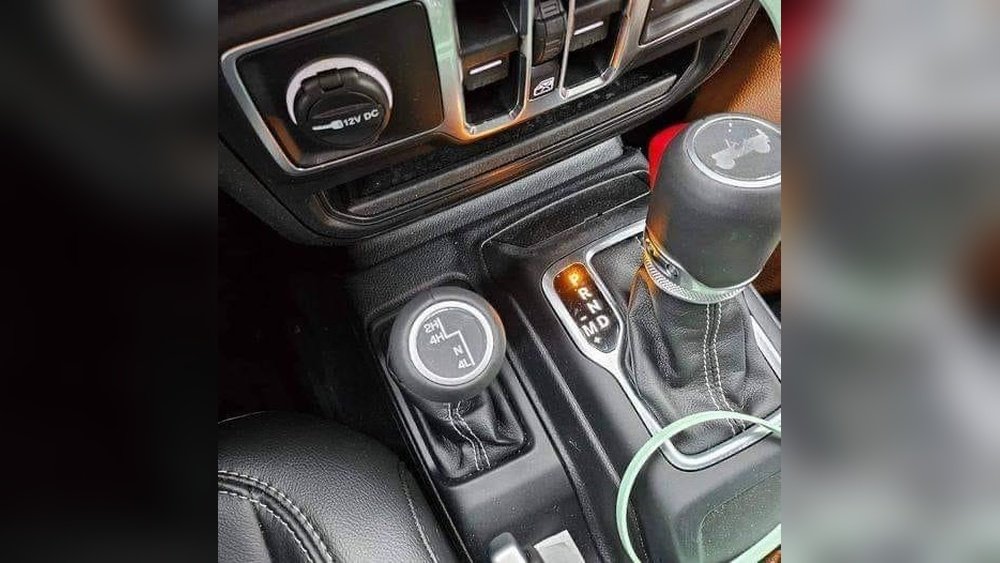
The “4H” stands for four-wheel drive high range. When you switch your Jeep Wrangler to 4H, all four wheels receive power from the engine. This setting is designed for situations where you need extra traction, like driving on snow, sand, gravel, or loose dirt.
Unlike “4L” (four-wheel drive low range), 4H lets you drive at higher speeds. However, it’s not meant for every situation. Engaging 4H on dry pavement can cause drivetrain stress and tire wear because the front and rear axles may turn at slightly different speeds.
How Fast Can You Drive In 4h?
Most Jeep Wrangler manuals recommend a maximum speed of 55 mph (88 km/h) when driving in 4H. This is not a strict limit, but it’s a safe guideline to protect your transfer case and driveline components. Some newer models can technically handle higher speeds, but going faster is not recommended due to safety and mechanical reasons.
Real-world Speed Ranges
Here’s a quick comparison of typical speed limits for different Jeep Wrangler generations:
| Model Year | Recommended Max Speed in 4H |
|---|---|
| 1997-2006 (TJ) | 45-55 mph |
| 2007-2017 (JK) | 50-55 mph |
| 2018-present (JL) | Up to 55 mph |
You can find the exact recommended speed in your owner’s manual. It’s wise to stay under these speeds, especially when road conditions are poor.

When Should You Use 4h?
4H is useful for:
- Slippery or loose surfaces: Snow, mud, sand, or gravel.
- Wet or icy roads: When two-wheel drive is not enough.
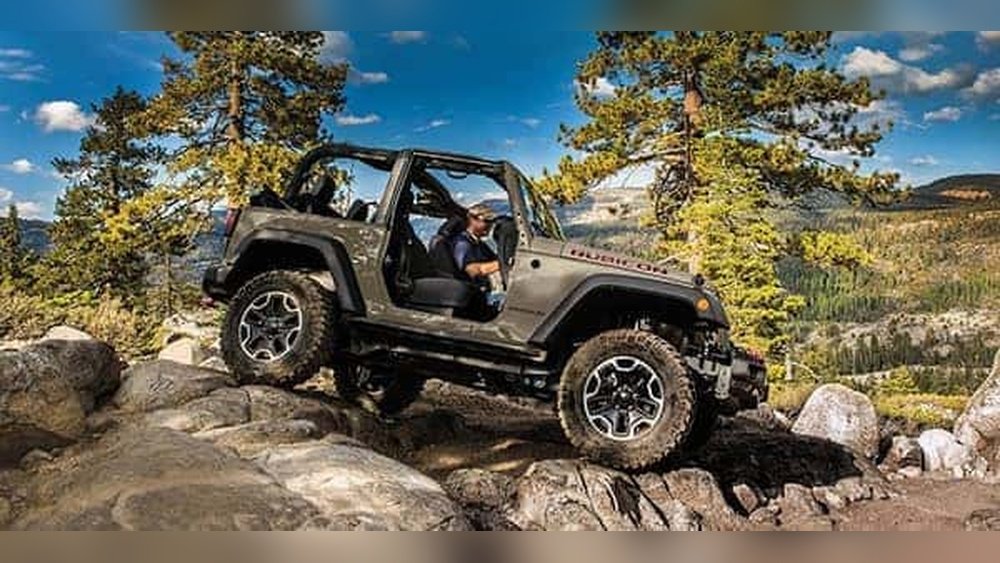
- Light off-roading: Trails that do not need extreme crawling power.
Do not use 4H on dry pavement, as it can lead to binding in the drivetrain. This causes stress on the transfer case, axles, and tires.
Example Scenarios
Suppose you’re driving on a snow-covered highway. Switching to 4H can give you extra grip, but you should still keep your speed moderate—usually below 55 mph. On a muddy trail, 4H lets you maintain better control without shifting into the much slower 4L gear.
What Happens If You Exceed The Limit?
Pushing your Jeep Wrangler above the recommended speed in 4H can lead to:
- Drivetrain damage: Excessive speed in 4H puts extra stress on the transfer case, driveshafts, and differentials.
- Tire wear: Tires may wear unevenly because the front and rear axles try to turn at the same rate, but they often can’t on high-traction surfaces.
- Handling issues: The Jeep can feel unstable at higher speeds in 4H, especially on mixed-traction surfaces.
- Heat buildup: The transfer case and other components can overheat, leading to premature failure.
These problems are more likely if you use 4H on dry roads or push the Jeep beyond safe limits.
Comparing 2h, 4h, And 4l
Understanding the differences between the main drive settings helps you choose the right one for your situation.
| Mode | When to Use | Max Safe Speed |
|---|---|---|
| 2H | Dry, paved roads | Highway speeds |
| 4H | Loose, slippery surfaces | Up to 55 mph |
| 4L | Steep climbs, deep mud, rock crawling | Below 25 mph |
Tips For Safe Driving In 4h
- Switch to 4H before you need it. Don’t wait until you’re stuck.
- Keep your speed under 55 mph. The lower, the better, especially in poor conditions.
- Avoid sharp turns on high-traction surfaces to reduce drivetrain stress.
- Switch back to 2H when you return to dry pavement.
- Listen for unusual noises. Clicking, clunking, or binding means something is wrong.
A key insight: Many beginners forget that 4H does not help you stop faster. It only improves traction while moving. Slippery surfaces still require longer stopping distances, so drive carefully.
Can You Use 4h On The Highway?
You should only use 4H on the highway if the road is covered with snow, ice, or loose gravel. On clear, dry pavement, 2H is the right choice. Some newer Jeep models have a full-time 4WD system (like the Selec-Trac transfer case) that allows safe use on all surfaces. Check your model’s features before trying this.
Another important detail: If you hear a “crow hop” feeling or skipping tires while turning, switch back to 2H. This is a sign of drivetrain binding.
How To Engage And Disengage 4h
Switching between 2H and 4H is simple in most Jeep Wranglers:
- Slow down to under 45 mph.
- Shift the transfer case lever (or knob) from 2H to 4H in a straight line.
- Confirm the indicator light on your dashboard shows 4H is engaged.
To go back to 2H, repeat these steps in reverse. For older Jeeps, you may need to be stopped or rolling slowly. Always check your owner’s manual for your model’s procedure.

Common Mistakes To Avoid
- Using 4H on dry pavement
- Driving faster than 55 mph in 4H
- Forgetting to switch back to 2H after leaving slippery conditions
- Ignoring warning lights or strange sounds
If you’re ever unsure, it’s safer to stay in 2H or consult your manual.
Frequently Asked Questions
Can I Drive At Highway Speeds In 4h?
No, most Jeep Wranglers should not be driven above 55 mph in 4H. Even if the road is slippery, higher speeds put too much stress on the drivetrain.
Is It Bad To Use 4h On Dry Roads?
Yes. Using 4H on dry pavement can cause drivetrain binding, extra wear, and possible damage. Only use 4H on loose or slippery surfaces.
How Do I Know If My Jeep Has Full-time 4wd?
Some Jeep Wrangler trims have systems like Selec-Trac that allow full-time 4WD. Check your owner’s manual or look for a “4WD Auto” mode on the transfer case.
What Happens If I Accidentally Exceed The 4h Speed Limit?
You may hear noises, feel vibrations, or notice strange handling. Repeated high-speed use in 4H can damage the transfer case or axles.
Where Can I Find Official Information On 4h Use?
Your Jeep’s owner’s manual is the best source. You can also check the official Jeep website for detailed guides.
Driving in 4H is a valuable tool for handling tough conditions, but it’s important to respect the limits. Stick to the right speeds and only use 4H when needed. This way, your Jeep Wrangler will stay reliable for every adventure.