If you love off-roading, you’ve probably heard about using 4 Low in a Jeep. But many drivers wonder: “How fast can you go in 4 Low?” This is an important question, especially if you’re new to Jeep driving or want to keep your vehicle safe. Knowing the right speed and how 4 Low works helps you avoid damage, maintain control, and get the most from your Jeep.
Let’s explore what 4 Low means, how fast you can go in this mode, and why speed matters. We’ll look at four key aspects: gear ratios, terrain types, recommended maximum speeds, and safety considerations. You’ll also find practical tips, comparisons, and answers to common questions.
Understanding 4 Low In A Jeep
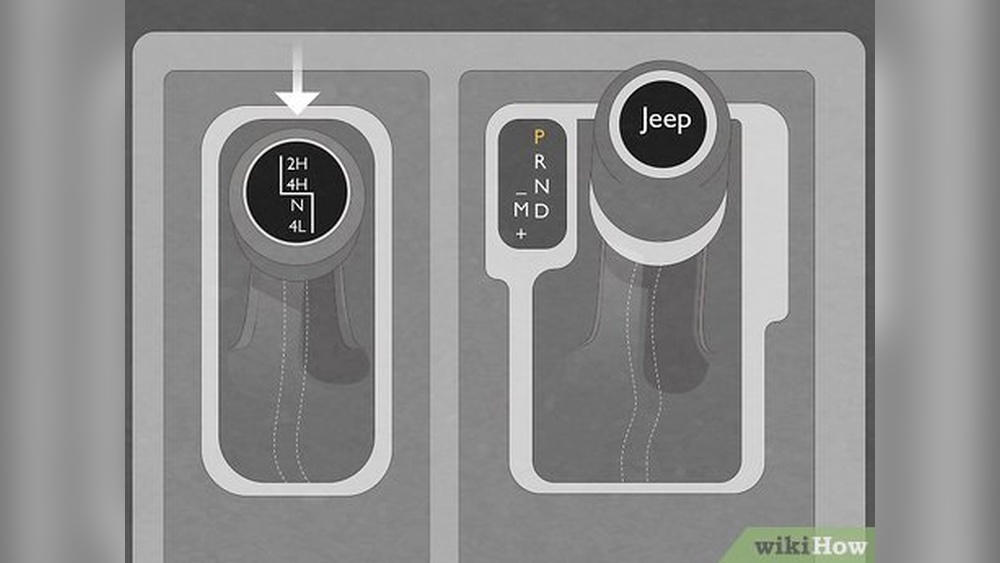
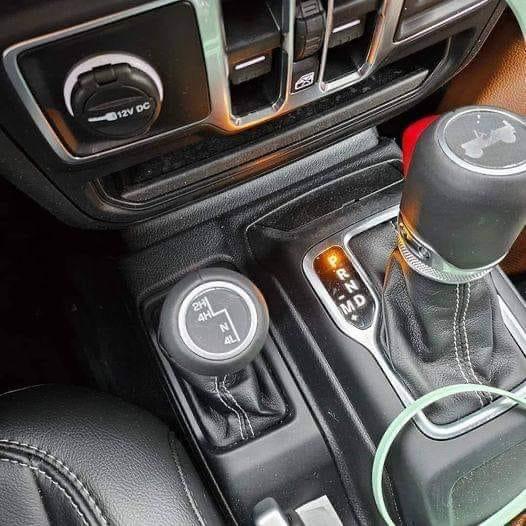
When you shift your Jeep into 4 Low, you engage a special mode designed for tough conditions. The “4” stands for four-wheel drive, which means power goes to all four wheels. “Low” refers to the low-range gears in your transfer case.
This mode is not for regular roads. It’s made for off-road driving, deep mud, steep hills, or rocky terrain. In 4 Low, your Jeep moves slower, but it has more torque—meaning more pulling power.
Here’s a quick summary of how 4 Low compares to other drive modes:
| Drive Mode | Speed Range | Torque | Best Use |
|---|---|---|---|
| 2WD | 0–100+ mph | Low | Normal roads |
| 4 High | 0–55 mph | Medium | Rain, snow, mild off-road |
| 4 Low | 0–25 mph | High | Steep, deep, rough terrain |
1. Gear Ratios In 4 Low
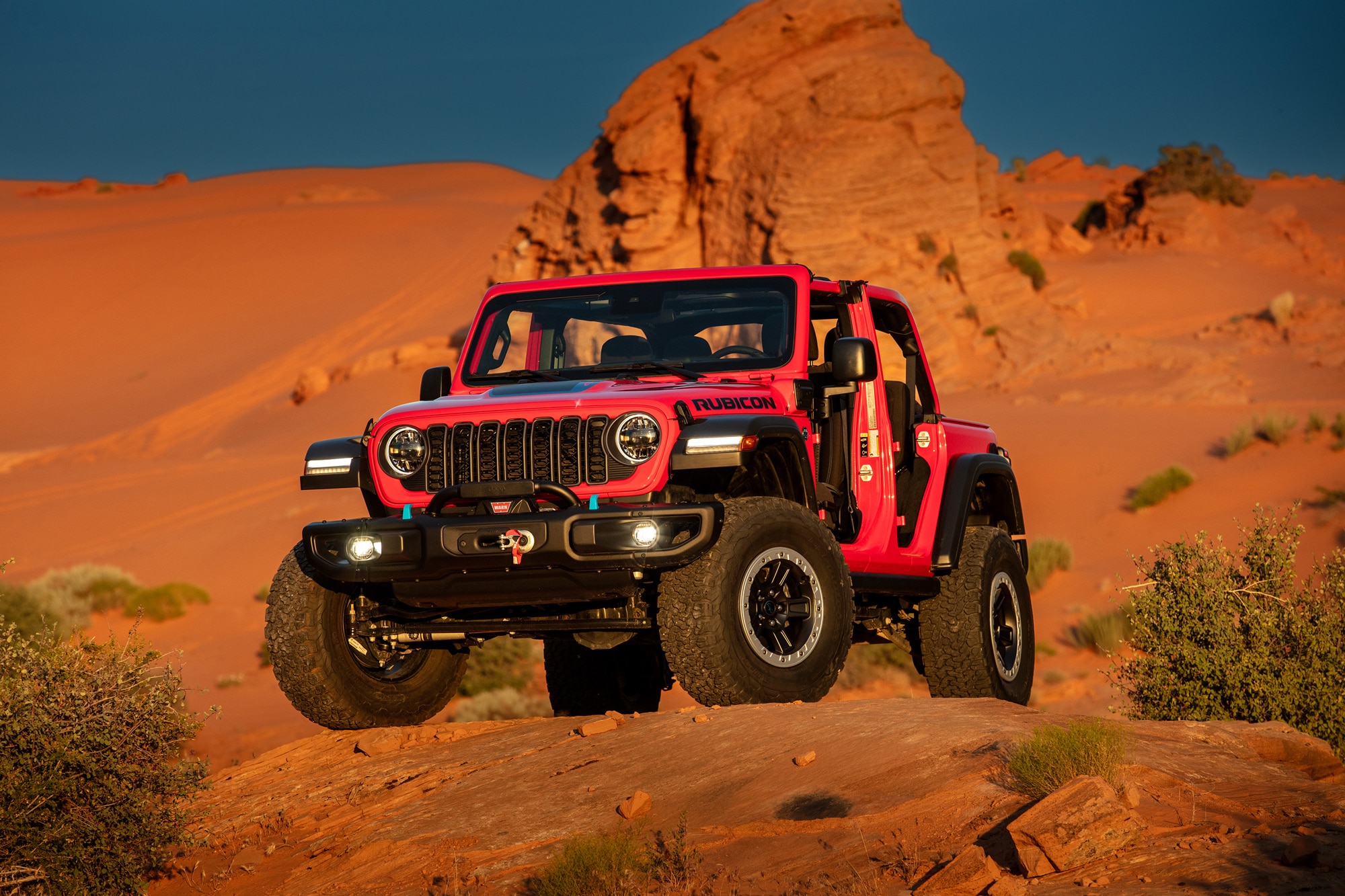
Gear ratios are the heart of 4 Low. When you engage this mode, your Jeep’s transfer case switches to a lower gear ratio. For most Jeep Wranglers, the typical 4 Low ratio is 2.72:1 or 4:1 (Rubicon models).
This ratio means your wheels turn slower, but your engine produces more power. The lower the ratio, the slower your Jeep goes at the same engine RPM. Here’s how gear ratios affect speed:
- 2.72: 1 ratio: Allows slightly higher speeds in 4 Low.
- 4: 1 ratio: More torque, but even slower speeds.
Most Jeeps in 4 Low will max out around 20–25 mph. Trying to go faster can cause overheating or damage.
| Model | 4 Low Ratio | Max Safe Speed |
|---|---|---|
| Wrangler Sport | 2.72:1 | 25 mph |
| Wrangler Rubicon | 4:1 | 20 mph |
| Gladiator | 2.72:1 | 25 mph |
Insight: Many beginners forget that engine RPM does not equal road speed in 4 Low. Your engine can sound busy, but your Jeep moves slowly.
2. Terrain Types And 4 Low Speed
The type of terrain you drive on directly affects how fast you should go in 4 Low. This mode is made for slow, careful movement.
Rock crawling: Keep speeds under 5 mph.
Deep mud/sand: Stay below 15 mph.
Steep hills: Often less than 10 mph.
Technical trails: Usually 5–10 mph.
Even though your Jeep can go up to 20 25 mph in 4 Low, most off-road situations need much slower speeds. Fast driving in 4 Low can make your wheels spin, reduce control, and risk damage.
Non-obvious tip: Sometimes, going slower helps you get through tough spots. Speed isn’t always your friend in rough terrain.
3. Recommended Maximum Speeds
Jeep engineers and off-road experts recommend clear speed limits for 4 Low. These limits protect your transfer case, driveshaft, and other parts.
- Absolute maximum: 25 mph, but only for short bursts.
- Ideal speed: 5–15 mph for most off-road conditions.
Why can’t you go faster? The transfer case and drivetrain are not designed for high-speed use in 4 Low. High RPMs create heat and stress.
Here’s a comparison of typical Jeep speeds in different modes:
| Mode | Max Speed | Typical Use |
|---|---|---|
| 4 High | 55 mph | Gravel, snow |
| 4 Low | 25 mph | Rocks, mud |
Expert insight: Many drivers think 4 Low is for fast off-roading. Actually, it’s for slow, careful driving where traction and torque matter more than speed.
4. Safety Considerations In 4 Low
Driving too fast in 4 Low can cause real problems. Here’s what you risk:
- Transfer case overheating: Low gears produce more heat.
- Drivetrain damage: Parts can wear out or break.
- Loss of control: High speed in rough terrain can lead to accidents.
- Reduced traction: Wheels may spin or slip.
Always check your owner’s manual for your Jeep model. If you feel vibration, hear strange noises, or smell burning, stop and shift out of 4 Low.
Practical tip: Don’t use 4 Low for everyday driving, even if the road looks rough. Reserve it for special situations.
Frequently Asked Questions
Can I Use 4 Low On Paved Roads?
No. 4 Low is for off-road only. Using it on pavement can cause binding and damage to your drivetrain.
How Do I Shift Into 4 Low In A Jeep?
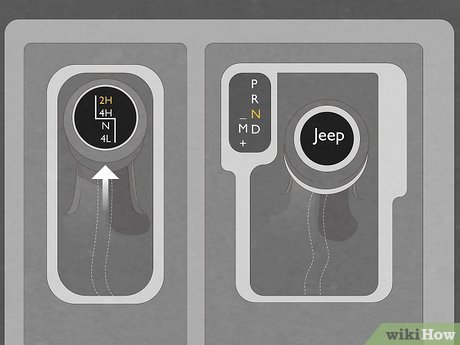
Stop your Jeep, put it in neutral, and shift the transfer case lever to 4 Low. Always check your manual for model-specific steps.
What Happens If I Drive Too Fast In 4 Low?
You risk overheating, drivetrain damage, and loss of control. Keep speeds under 25 mph, and ideally much lower.
Is 4 Low Better Than 4 High For Sand Or Mud?
For deep mud and sand, 4 Low gives more torque. But if the surface is firm and you need speed, 4 High is safer.
Can I Tow Heavy Loads In 4 Low?
Yes, but only at low speeds. 4 Low is good for pulling trailers out of tough spots, but don’t tow on highways in this mode.
Closing Thoughts
Knowing how fast you can go in 4 Low Jeep is not just about numbers—it’s about safety, performance, and protecting your vehicle. Stick to slow speeds, use 4 Low only when needed, and understand your Jeep’s limits. With the right knowledge, you’ll enjoy off-roading and keep your Jeep running strong for years. If you want more technical details, check the official Jeep owner’s manuals or visit Jeep Official Manuals for expert guidance.