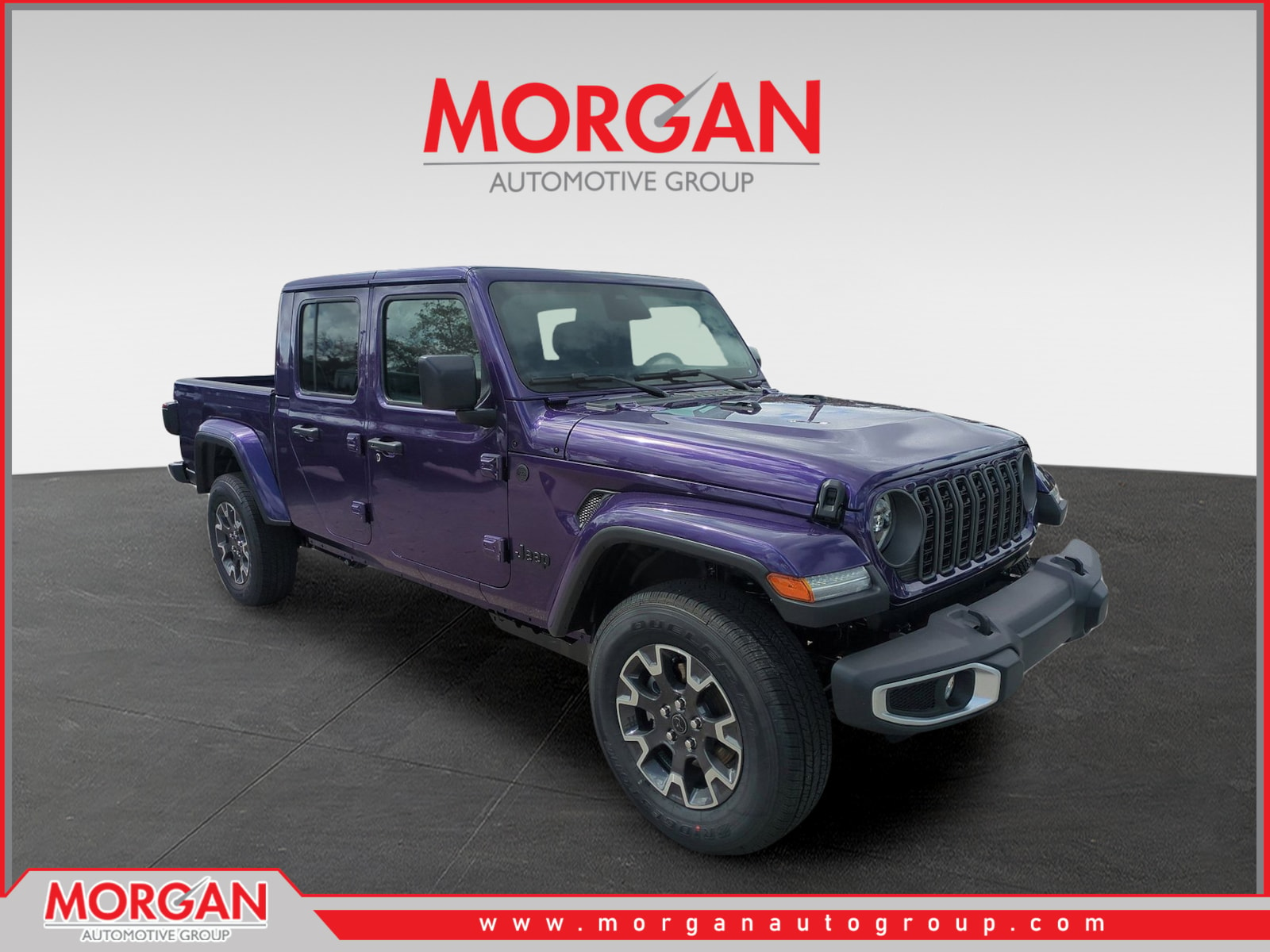
The Jeep Gladiator has sparked a lot of interest since its launch. Is it just a Wrangler with a truck bed, or does it bring something new to the driving experience? Many buyers wonder: how does the Jeep Gladiator ride, both on city streets and rough trails? Let’s dive into what you can expect behind the wheel, looking at comfort, handling, road noise, and how it compares with other midsize pickups.
Everyday Ride Comfort
The Gladiator is built on the same platform as the Jeep Wrangler, but with a longer wheelbase. This means it handles bumps and rough roads differently than other trucks or SUVs.
The first thing you’ll notice is the solid front and rear axles. Unlike many midsize trucks that use independent front suspension, the Gladiator’s solid axles help with off-road strength but can make the ride feel a bit firmer, especially over potholes or railroad tracks. On smooth roads, the ride is steady, but you may feel some bouncing on uneven pavement.

Inside, the seats are supportive, and there’s good legroom for both front and rear passengers. The cab is tall, giving a commanding view of the road. However, the upright windshield and removable roof panels mean you’ll hear more wind noise at highway speeds compared to trucks like the Toyota Tacoma or Honda Ridgeline.
Off-road Performance And Ride
What sets the Gladiator apart is its off-road ability. With high ground clearance, strong axles, and the option for locking differentials in Rubicon models, the Gladiator is ready for tough trails. The suspension is designed to flex, helping the tires stay in contact with the ground.
On rocky or muddy paths, the ride feels controlled and capable. The longer wheelbase gives more stability on climbs and descents, but it can also make sharp turns on narrow trails a bit tricky.
The Gladiator’s ride can feel bouncy at low speeds over ruts, but this is expected in a vehicle made for off-roading.
Key Off-road Features That Affect Ride
- Solid axles: Provide durability and wheel articulation.
- Disconnecting front sway bar (Rubicon): Increases wheel travel.
- All-terrain tires: Offer grip but can add road noise on pavement.
- Skid plates and tow hooks: Add weight, which can slightly stiffen the ride.
On-road Handling And Highway Behavior
When you drive the Gladiator on highways or in cities, you’ll notice it feels different from most modern pickups. The steering is accurate but has a “loose” feel compared to rivals.
This means you may need to make small corrections to keep it straight, especially in strong crosswinds.
The Gladiator is not as quiet as the Chevrolet Colorado or Ford Ranger. Road and wind noise are noticeable, especially with the soft top. Hardtop models help reduce this, but the boxy shape still lets in more sound.
The longer wheelbase does help smooth out large bumps, and the truck feels planted on the highway. You won’t get the “floaty” ride of some older pickups, but you also won’t get the sedan-like smoothness of a Ridgeline.
Payload And Towing: Impact On Ride
How the Gladiator rides also depends on what you’re carrying. This truck is made to handle loads up to 1,700 pounds in the bed and tow up to 7,650 pounds with the right setup. When the bed is empty, the rear suspension can feel stiff, and the truck may bounce a bit over bumps.
If you add weight—tools, camping gear, or even a trailer—the ride becomes more settled. This is common for trucks with strong leaf springs in the back. Here’s a quick look at how the Gladiator compares with similar trucks:
| Truck Model | Max Payload (lbs) | Max Towing (lbs) |
|---|---|---|
| Jeep Gladiator | 1,700 | 7,650 |
| Toyota Tacoma | 1,685 | 6,800 |
| Ford Ranger | 1,860 | 7,500 |
| Honda Ridgeline | 1,583 | 5,000 |
Comparing Gladiator Trims
Each Gladiator trim offers a slightly different ride. Here’s a basic comparison:
| Trim | Ride Comfort | Off-Road Ability | Road Noise |
|---|---|---|---|
| Sport/Sport S | Average | Good | Moderate |
| Overland | Smoother | Fair | Lower |
| Rubicon | Firmer | Excellent | High |
| Mojave | Soft (off-road tuned) | Best for sand | Moderate |
The Overland trim is best for daily driving, with comfort-focused shocks and less aggressive tires. The Rubicon and Mojave are tuned for the trail, so their rides are firmer but more capable on tough terrain.
What Surprises First-time Drivers
Many drivers expect the Gladiator to feel like a regular pickup, but two things usually surprise them:
- Turning radius: The Gladiator has a wide turning circle (about 44.5 feet). This means tight parking lots or U-turns can be tricky.
- Wind and road noise: Even with the hardtop, the boxy design means more noise gets in, especially at 70 mph.
Another detail: the Gladiator’s brakes require a firm press compared to some competitors. This is because it’s built for control on steep hills, not just city traffic.
Who Will Enjoy The Gladiator’s Ride?
If you value a smooth, quiet ride above all else, the Gladiator may not be your first pick.
But if you want a truck that feels confident on rocks, sand, and muddy trails and you like the open-air Jeep experience it’s hard to beat.
For daily commuting, the Overland trim with the hardtop is your best choice. For weekend adventures, the Rubicon or Mojave shines. The Gladiator’s ride is a blend: not as soft as a Ridgeline, but much more capable off-road than most midsize trucks.
Frequently Asked Questions
Is The Jeep Gladiator Comfortable For Long Drives?
The Gladiator’s seats are supportive, and the cabin is roomy for a midsize truck. However, road and wind noise are higher than in some rivals, and the firm suspension can get tiring on rough highways.
How Does The Gladiator Compare To The Wrangler In Ride Quality?
The Gladiator rides smoother than the Wrangler due to its longer wheelbase, which helps absorb bumps. Both have similar suspension setups, so they share the same off-road strengths and on-road firmness.
Is The Jeep Gladiator Good For City Driving?
It handles city driving well, but the wide turning radius and higher road noise can be a challenge in tight spaces or heavy traffic. It’s easy to park thanks to good visibility, but not as nimble as smaller trucks.
Does The Ride Improve With Weight In The Bed?
Yes. Like most pickups, the Gladiator’s rear suspension is designed to handle heavy loads.
Carrying weight in the bed helps smooth out the ride and reduces bouncing over bumps.
Where Can I Find More Technical Details About The Gladiator’s Suspension?
You can find full specifications and engineering details on the official Jeep Gladiator website.
In summary, the Jeep Gladiator ride is a unique mix of off-road ability and everyday usability. It’s not the quietest or softest truck, but for those who want true Jeep capability in a pickup form, the Gladiator delivers an experience that stands out in the crowd.