The Jeep Patriot is known for its rugged look and affordable price, but its 4×4 systems are what really set it apart from many small SUVs. If you’re considering a Jeep Patriot or already own one, you might wonder how its 4×4 technology works.
The truth is, the Patriot offers two main types of 4×4 systems, each designed for different driving needs. Understanding these systems can help you use your vehicle better, keep it running smoothly, and even improve your off-road skills.
Let’s take a closer look at how the Jeep Patriot 4×4 works, including the four key parts that make these systems unique.
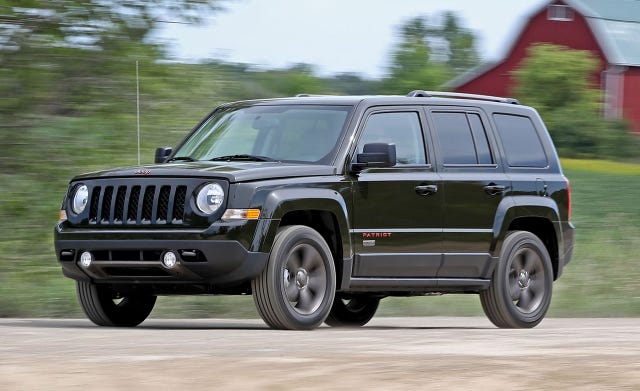
Jeep Patriot 4×4 Basics
The Jeep Patriot comes with either front-wheel drive or one of two 4×4 systems: Freedom Drive I and Freedom Drive II. Both are designed for extra grip and control, but they work in different ways. Instead of a classic mechanical four-wheel drive system with levers and locking hubs, these are active all-wheel drive systems using electronics to manage power. This means the vehicle handles most of the thinking for you, shifting power where it’s needed for safety and performance.
Freedom Drive I: Everyday All-wheel Control
Freedom Drive I is the more common 4×4 system on the Patriot. It’s best for people who drive in rain, snow, or light off-road conditions.
- Automatic Power Shift: The system usually runs in front-wheel drive for better fuel economy. When the road gets slippery, sensors detect wheel slip and send up to 50% of the power to the rear wheels.
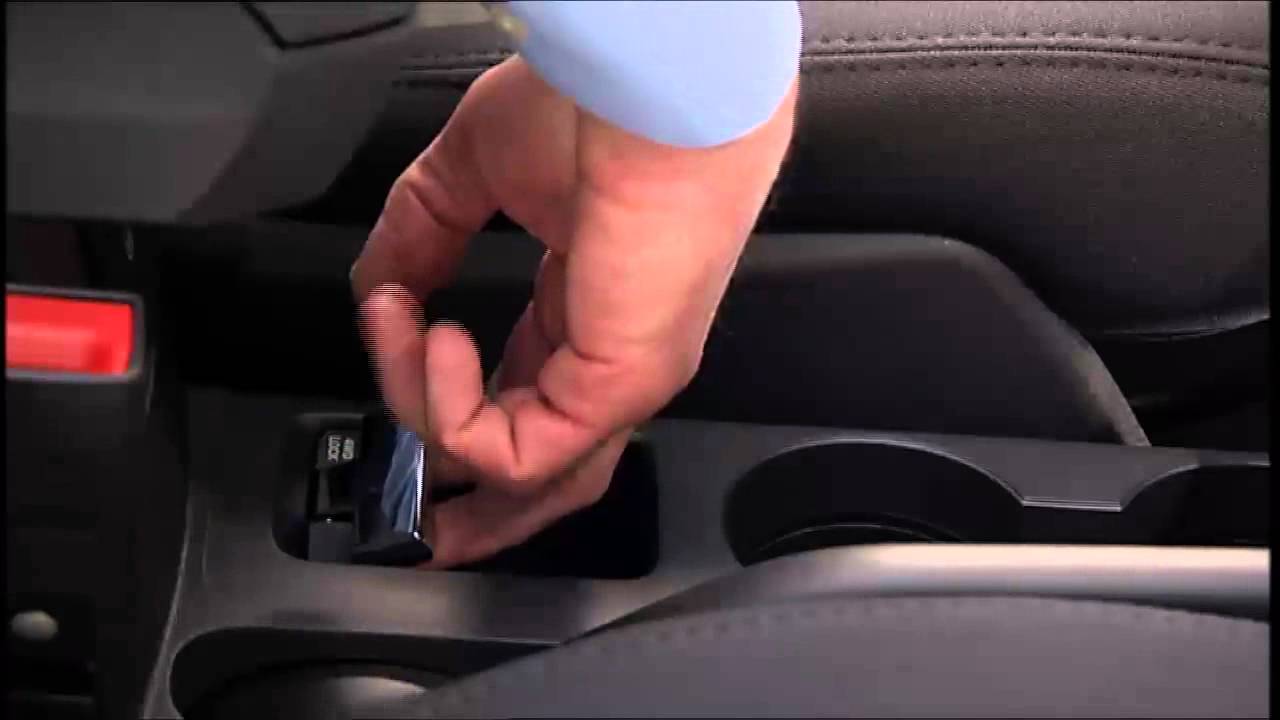
- Locking Mode: There’s a switch near the gear shift labeled “LOCK.” Pressing it tells the system to keep sending power to both front and rear wheels, which helps in deep snow or mud.
- Electronic Control: Instead of using heavy mechanical parts, Freedom Drive I uses an electronic coupling to split power.
One thing many beginners don’t realize: even in “LOCK” mode, this system is not a true 4WD lock. It’s more of a strong suggestion to the electronics, not a hard mechanical connection.
Freedom Drive Ii: Off-road Upgrade
Freedom Drive II is for drivers who need more serious off-road ability. It’s an option package that adds more features to help tackle rough trails.
- Low Range Simulation: True 4x4s use a transfer case for low-range gears. The Patriot can’t do this mechanically, so Freedom Drive II uses the transmission and computer to simulate a lower gear ratio (19:1 crawl ratio).
- Hill Descent Control: This system helps you go down steep hills slowly and safely by controlling the brakes and throttle automatically.
- Raised Ride Height and Skid Plates: The vehicle sits higher off the ground and adds extra protection underneath for rocks and debris.
- Trail Rated: Patriots with Freedom Drive II carry Jeep’s “Trail Rated” badge, meaning they meet certain standards for water fording, traction, and ground clearance.
A surprising point for many drivers: Freedom Drive II’s “4WD LOCK” is not the same as locking differentials in hardcore Jeeps. It’s still an electronic system, but it’s tuned for more demanding conditions.
Four Key Parts Of The Jeep Patriot 4×4 System
Each Jeep Patriot 4×4 system relies on four main components to provide grip, safety, and off-road ability. Let’s explore each in detail.
1. Electronically Controlled Coupling
At the heart of both Freedom Drive systems is the electronic coupling. This device sits near the rear axle and decides when to send power to the back wheels.
- How it works: When sensors detect slip at the front wheels, the coupling sends more torque to the rear.
- Benefit: This responds within seconds, helping the vehicle stay stable on slippery roads.
2. Brake Traction Control
Both systems use brake traction control to manage wheel spin. If one wheel starts spinning faster than the others, the system applies the brake to that wheel and shifts power to the wheels with more grip.
- Real-life example: If your front right wheel is on ice, the system will brake that wheel and send power to the other wheels to help you keep moving.
3. 4wd Lock Switch
The 4WD LOCK switch is your way to tell the system you need extra grip. When you push it, the computer tries to keep power going to both axles evenly.
- Important tip: This is not a mechanical lock like in bigger Jeeps. The system will still move power around as needed, but it reacts more aggressively when “locked.”
4. Hill Descent Control (freedom Drive Ii Only)
Hill Descent Control helps when going down steep or slippery hills. You don’t need to touch the brake; the system controls speed automatically.
- How it helps: This feature is great for beginners who might worry about losing control on a hill. The car does most of the work for you.
Below is a simple comparison of the main differences between the two 4×4 systems:
| Feature | Freedom Drive I | Freedom Drive II |
|---|---|---|
| 4WD Type | Active AWD | Active AWD with low-range simulation |
| 4WD LOCK | Yes | Yes (more aggressive) |
| Hill Descent Control | No | Yes |
| Trail Rated | No | Yes |
Real-world Performance And Limitations
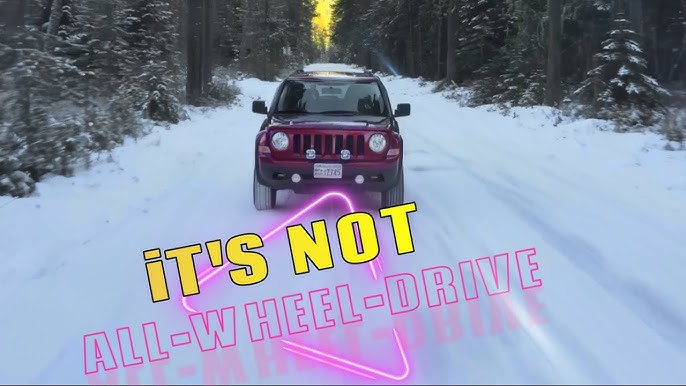
The Jeep Patriot’s 4×4 systems give you more confidence in bad weather and on rough roads. But it’s important to know their limits.
- Not for extreme off-roading: These systems are good for dirt, gravel, snow, and sand. They are not built for serious rock crawling like a Wrangler.
- Maintenance matters: The electronic coupling and sensors need regular checkups. Neglect can lead to expensive repairs.
- Tire choice is key: Even the best 4×4 system can’t help if your tires are worn out or not right for the conditions.
Here’s a quick look at how the Jeep Patriot compares to other compact SUVs:
| Model | 4×4/ AWD System | Off-road Features | Ground Clearance (in) |
|---|---|---|---|
| Jeep Patriot | Freedom Drive I/II | Hill Descent, Skid Plates (FDII) | 8.1 (FDII) |
| Honda CR-V | Real Time AWD | None | 7.8 |
| Subaru Forester | Symmetrical AWD | X-Mode | 8.7 |
Tips For Getting The Most From Your Patriot 4×4
- Use the right mode: Don’t leave the 4WD LOCK on all the time. Use it only in slippery or rough conditions.
- Check your tires: Good tires are as important as the 4×4 system.
- Practice: Find a safe, empty lot to practice using the 4×4 features.
- Service regularly: Keep up with maintenance, especially fluid changes and sensor checks.
Many drivers don’t realize that using 4WD on dry pavement can cause extra wear. Always switch back to normal mode when conditions improve.
Driving a Jeep Patriot with 4×4 can make you feel safer on bad roads and give you more options for adventure. By understanding how the system works and its limits, you can enjoy your Jeep for years to come. For more technical details, visit the official Jeep Patriot page.
Frequently Asked Questions
How Do I Know If My Jeep Patriot Has 4×4?
Check for the “4WD LOCK” switch near the gear shifter. You can also look up your vehicle’s VIN or ask a Jeep dealer.
Can I Use 4×4 On Dry Pavement?
It’s better not to. The system is designed for slippery or loose surfaces. Using 4×4 on dry pavement can cause extra wear on the drivetrain.
What’s The Difference Between Freedom Drive I And Ii?
Freedom Drive II adds low-range capability, hill descent control, and more off-road features. It’s better for rough trails, while Freedom Drive I is for light use.
Is The Jeep Patriot Good For Off-roading?
It’s fine for light off-roading and bad weather. Freedom Drive II versions are better, but it’s not meant for extreme trails.
How Often Should I Service The 4×4 System?
Check your owner’s manual, but a good rule is every 30,000 miles. Pay special attention to fluids and electronic components.