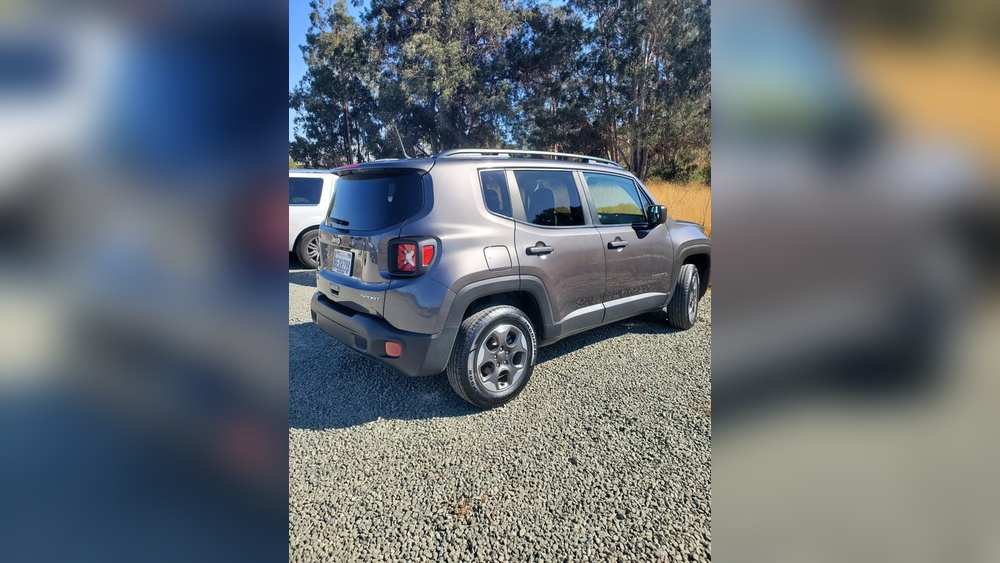
If your Jeep Renegade shakes while driving, it can make you feel uneasy and worried. Shaking or vibrations can be mild, like a slight tremble in the steering wheel, or severe enough to make the whole car feel unstable.
Many Jeep Renegade owners notice this problem, especially as their vehicles get older or after rough road trips. Understanding the cause is important for safety and can help you avoid bigger repairs down the road.
Let’s look at the most common reasons your Jeep Renegade might shake, how to spot the real issue, and what you can do about it.
Common Reasons Your Jeep Renegade Shakes
Many things can make your Jeep Renegade shake. Some are simple fixes, while others may require a mechanic’s help.
1. Wheel Or Tire Problems
If a wheel is bent or a tire is out of balance, your Jeep can shake, especially at higher speeds. This often feels like a wobble in the steering wheel. Damaged or uneven tires are a common cause—hitting a pothole or curb can damage them without you noticing.
2. Engine Misfire
An engine misfire means one or more cylinders aren’t working correctly. This can cause shaking, especially when idling or accelerating. You might also see the check engine light. Common causes include faulty spark plugs, bad ignition coils, or clogged fuel injectors.
3. Brake Issues
If your Jeep shakes when you brake, the problem could be warped brake rotors. These metal discs can become uneven from heat or wear, making your car vibrate every time you step on the brakes.
4. Suspension Or Steering Wear
Loose or worn suspension parts—like ball joints, tie rods, or bushings—can make your Renegade shake, especially over bumps or at certain speeds. You might also hear clunking noises.
5. Driveshaft Or CV Joint Damage
The driveshaft and CV joints send power from the engine to the wheels. If these parts are bent, worn, or lose grease, you may notice strong vibrations, especially when accelerating or turning.
6. Transmission Problems
If your Jeep shakes during gear changes, the transmission could be the issue. Low transmission fluid, worn mounts, or internal damage can all cause vibrations.
here’s A Quick Look At Which Symptoms Match Which Problems:
Symptom | Possible Cause | When It Happens |
|---|---|---|
Shakes at high speed | Wheel/Tire Problems | Above 50 mph |
Vibrates when braking | Warped Rotors | During braking |
Shakes at idle | Engine Misfire | Stopped or Parked |
Vibrates on turns | CV Joint Issues | Turning corners |
How To Diagnose The Shaking
Finding out why your Jeep shakes is not always easy. However, some simple checks can help you figure out the problem.
Check the Tires
Look for uneven wear, bulges, or missing tread. Use a pressure gauge to check all four tires. A tire shop can quickly check for balance and alignment issues.
Watch for Dashboard Lights
If the check engine light comes on, a diagnostic scan can show if there’s a misfire or other engine problem.
Notice When It Shakes
When does the shaking start? Only at high speeds, during braking, or all the time? This helps narrow the cause.
Listen for Sounds
Clicking during turns points to CV joint problems. Squealing or grinding when braking may mean rotor or pad issues.
Try a Simple Road Test
Drive at different speeds. Brake gently and firmly. Turn the steering wheel fully in both directions. Note when the shaking gets better or worse.
here’s How Different Issues Often Feel To Drivers:
Issue | What It Feels Like |
|---|---|
Wheel out of balance | Steering wheel shakes at certain speeds |
Engine misfire | Whole car shudders, rough idle |
Worn suspension | Loose feeling, clunks over bumps |
When To See A Mechanic
Some shaking problems can be fixed at home, like tightening loose lug nuts or replacing a damaged tire. But many causes—especially engine, transmission, or suspension problems—need a trained mechanic.
do Not Ignore Shaking That:
Gets worse over time
Happens during braking or turning
Comes with warning lights
Makes the car hard to control
These problems can be dangerous and lead to more expensive repairs.
Preventing Jeep Renegade Shaking
You Can Avoid Many Shaking Problems With Good Maintenance:
Rotate tires every 5,000-7,000 miles
Check alignment at least once a year or after hitting a big pothole
Change spark plugs as recommended (usually every 30,000-60,000 miles)
Inspect brakes at every oil change
Keep fluids topped up—engine, transmission, and differential
Many drivers forget about tire rotation or wheel alignment. Skipping these steps is a common cause of vibration, even with new tires.
Non-obvious Insights Most Owners Miss
1. Engine Mounts Can Cause Shaking
If the rubber mounts holding your engine in place wear out, you might feel strong vibrations, especially at idle or starting off. Many people overlook this, thinking it’s only an engine or tire problem.
2. Aftermarket Wheels Or Tires Matter
If you’ve changed your wheels or tires to custom sizes, shaking can happen if they are not properly balanced or fit for your Renegade. Always use wheels and tires approved for your model.
Real-world Example
One Jeep Renegade owner noticed shaking only when driving over 60 mph. After balancing the tires, the problem was better but not gone. The mechanic found a bent rim from a deep pothole, which was only visible after removing the wheel.
Replacing the rim fixed the shaking completely. This shows why a careful inspection is important—some issues are hidden.

Cost Of Fixing A Shaking Jeep Renegade
Repair Costs Can Vary A Lot:
Tire balancing: $40–$80 for all four tires
Brake rotor replacement: $200–$400 per axle
Engine misfire repair: $150–$600 (depends on the part)
Suspension repair: $200–$1,000+ (if parts are worn)
Why Does My Jeep Renegade Shake At High Speeds?
The most common reason is wheel or tire problems. Out-of-balance or bent wheels cause vibration at speeds above 50 mph. Sometimes, uneven tire wear or damaged rims are the problem.
Can A Bad Alignment Make My Renegade Shake?
Yes, poor alignment can make your Jeep shake, especially if the tires wear unevenly. You may also notice the steering wheel is not straight or the car pulls to one side.
Is It Safe To Drive My Jeep If It’s Shaking?
It’s best to get your Jeep checked as soon as possible. Shaking can mean a serious issue that could affect your safety or cause more damage.
How Do I Know If The Shaking Is Caused By The Engine?
If the shaking happens when stopped or at idle, and you notice rough running or a Check Engine light, it’s likely an engine misfire. A mechanic can run a diagnostic scan to confirm.
Will New Tires Fix The Shaking?
If the problem is due to bad tires or balance, new tires can help. But if the shaking comes from brakes, suspension, or engine issues, new tires alone may not solve it.
Dealing with a shaking Jeep Renegade can be frustrating, but finding the cause early helps you avoid bigger headaches. Regular maintenance, careful inspection, and quick action keep your Jeep running smooth and safe.